THE ADVENTURE COLLECTIVE® · Independent discovery and booking for outdoor travel

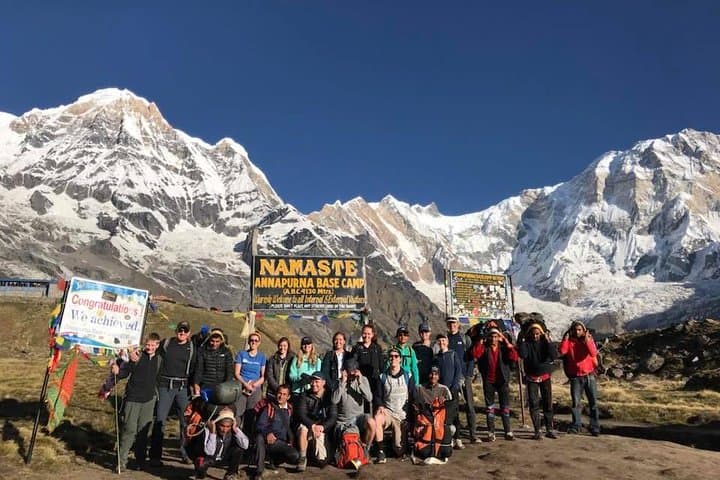
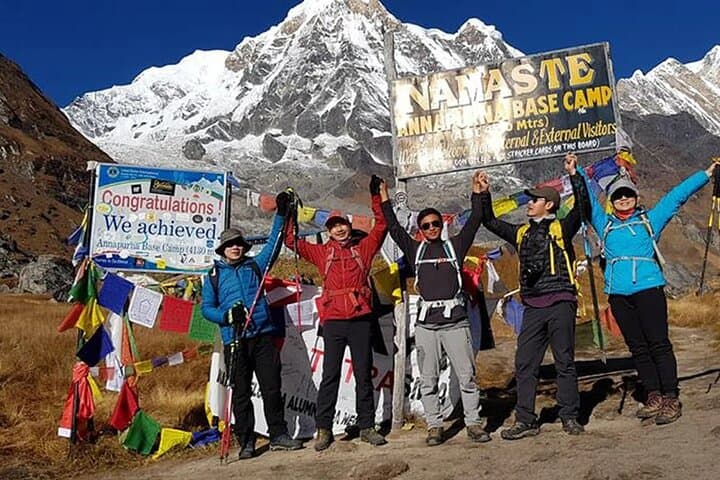
A classic tea-house trek into the heart of the Annapurna massif: 14 days from Pokhara to Annapurna Base Camp (4,130 m), through rhododendron forests, Gurung villages and glacial amphitheaters. Expect long days, steep stone steps, and 360° Himalayan views.
A classic tea-house trek into the heart of the Annapurna massif: 14 days from Pokhara to Annapurna Base Camp (4,130 m), through rhododendron forests, Gurung villages and glacial amphitheaters. Expect long days, steep stone steps, and 360° Himalayan views.
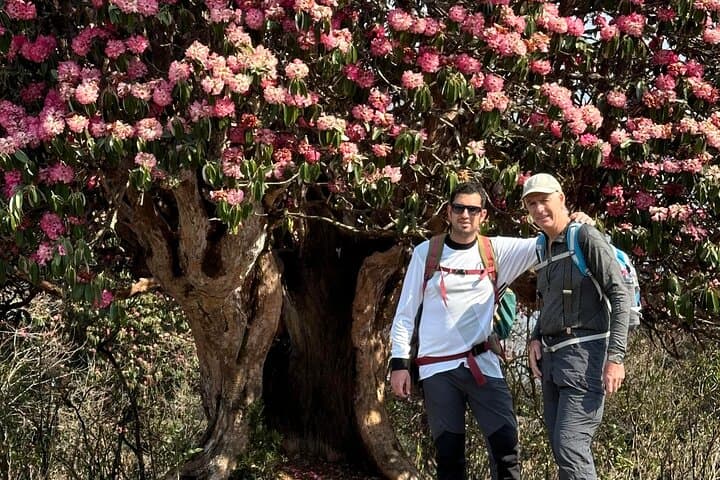
The trail opens with the clack of bus brakes in Pokhara and the first, dusty switchbacks toward Nayapul. From there the path climbs through deep rhododendron forests, stone steps carved and re-carved by generations of porters, and village courtyards where Gurung and Magar families keep the kettles warm. By mid-trek the valley widens; the Annapurna massif assembles like a defensive ring—Machapuchare’s knife edge and Annapurna South looming above the tea houses that punctuate each day.
Verified experiences and guided adventures in the surrounding area.
Operated by Adventure Treks Nepal (P) Ltd. · Pokhara, Gandaki Province
The trail opens with the clack of bus brakes in Pokhara and the first, dusty switchbacks toward Nayapul. From there the path climbs through deep rhododendron forests, stone steps carved and re-carved by generations of porters, and village courtyards where Gurung and Magar families keep the kettles warm. By mid-trek the valley widens; the Annapurna massif assembles like a defensive ring—Machapuchare’s knife edge and Annapurna South looming above the tea houses that punctuate each day.
Geology here is raw: glacial cirques, steep moraine slopes, and river-carved gorges that expose ancient metamorphic rock. Culturally the route threads small Himalayan communities—Ghandruk and Chhomrong among them—where communal life centers on stone houses, livestock, and layered traditions. The modern imprint is light: teahouses, porter-supported loads, and well-worn trails shaped by decades of trekking.
Expect roughly 110–120 km round-trip with about 3,000 m of elevation gain from Nayapul to Annapurna Base Camp (4,130 m). Typical hiking days are 4–8 hours on mixed terrain: steep stone stairways, single-track dirt, and rocky moraines approaching base camp. Acclimatize with an early-morning ascent to Poon Hill, carry layers for fierce sun and sudden wind, and plan for tea-house lodgings rather than camping. Permits (ACAP and TIMS) are required; guided groups and porters are widely available and recommended for logistics and safety.
Timing is practical—spring and fall offer the clearest mountain views—while winter adds cold and deeper snow. Hydrate, pace for altitude, and budget rest days: the trail rewards patience with close, 360-degree Himalayan panoramas.
challenging.
12–14 days.
Good aerobic fitness with regular hiking or cardio training; ability to walk 5–8 hours on consecutive days and cope with steep ascents and altitude.
Yes—Annapurna Conservation Area Permit (ACAP) and a TIMS card are required; guides typically handle registration for groups.
Spring (March–May) and fall (September–November) offer the clearest views and stable weather; monsoon brings heavy rain and winter brings snow at higher elevations.
Yes—this itinerary uses tea-house lodges for accommodation and meals; expect basic twin rooms and shared bathrooms at higher camps.
Ascend slowly, hydrate, avoid alcohol, and include acclimatization days; recognize symptoms early and descend if headache, nausea or confusion develop.
The Annapurna massif was central to Himalayan exploration; Annapurna I saw the first 8,000m summit success in 1950 and the region has long been home to Gurung, Magar and Thakali communities.
The Annapurna Conservation Area (ACAP) manages permits and community programs—stick to trails, pack out plastics when possible, and support local teahouses to keep tourism sustainable.
Adventure Treks Nepal (P) Ltd. operates guided outdoor trips and adventures with an emphasis on safety, stewardship, and memorable experiences.
The trail opens with the clack of bus brakes in Pokhara and the first, dusty switchbacks toward Nayapul. From there the path climbs through deep rhododendron forests, stone steps carved and re-carved by generations of porters, and village courtyards where Gurung and Magar families keep the kettles warm. By mid-trek the valley widens; the Annapurna massif assembles like a defensive ring—Machapuchare’s knife edge and Annapurna South looming above the tea houses that punctuate each day.
The trail opens with the clack of bus brakes in Pokhara and the first, dusty switchbacks toward Nayapul. From there the path climbs through deep rhododendron forests, stone steps carved and re-carved by generations of porters, and village courtyards where Gurung and Magar families keep the kettles warm. By mid-trek the valley widens; the Annapurna massif assembles like a defensive ring—Machapuchare’s knife edge and Annapurna South looming above the tea houses that punctuate each day.
Geology here is raw: glacial cirques, steep moraine slopes, and river-carved gorges that expose ancient metamorphic rock. Culturally the route threads small Himalayan communities—Ghandruk and Chhomrong among them—where communal life centers on stone houses, livestock, and layered traditions. The modern imprint is light: teahouses, porter-supported loads, and well-worn trails shaped by decades of trekking.
Expect roughly 110–120 km round-trip with about 3,000 m of elevation gain from Nayapul to Annapurna Base Camp (4,130 m). Typical hiking days are 4–8 hours on mixed terrain: steep stone stairways, single-track dirt, and rocky moraines approaching base camp. Acclimatize with an early-morning ascent to Poon Hill, carry layers for fierce sun and sudden wind, and plan for tea-house lodgings rather than camping. Permits (ACAP and TIMS) are required; guided groups and porters are widely available and recommended for logistics and safety.
Timing is practical—spring and fall offer the clearest mountain views—while winter adds cold and deeper snow. Hydrate, pace for altitude, and budget rest days: the trail rewards patience with close, 360-degree Himalayan panoramas.