THE ADVENTURE COLLECTIVE® · Independent discovery and booking for outdoor travel

A 14-day classic through the Annapurna Sanctuary that climbs to 4,130 m at Annapurna Base Camp. This teahouse-supported trek combines high alpine scenery, Gurung culture, and practical logistics—domestic flights, permits, and porters are typically included.
A 14-day classic through the Annapurna Sanctuary that climbs to 4,130 m at Annapurna Base Camp. This teahouse-supported trek combines high alpine scenery, Gurung culture, and practical logistics—domestic flights, permits, and porters are typically included.
Dawn spreads cold light across the Annapurna Massif as you step out of a teahouse and follow a trail that climbs, drops, then climbs again toward a bowl of rock and ice—Annapurna Base Camp (4,130 m).
Verified experiences and guided adventures in the surrounding area.
Operated by Expedition Himalayan.com Pvt. Ltd. · Pokhara, Gandaki Province
Dawn spreads cold light across the Annapurna Massif as you step out of a teahouse and follow a trail that climbs, drops, then climbs again toward a bowl of rock and ice—Annapurna Base Camp (4,130 m).
The route threads through subtropical river valleys, rhododendron forests, and high alpine scree. Geologically the sanctuary is a carved amphitheater of metamorphic rock and glacial debris, framed by Annapurna I (8,091 m) and the fan-shaped face of Machhapuchhre. The Annapurna Conservation Area, established to protect this landscape and local livelihoods, intersects with Gurung and Magar villages like Ghandruk and Chhomrong where Buddhist stupas and prayer flags mark cultural waypoints.
Expect 4–7 hours of hiking on most days with sustained elevation gains—total ascent from Pokhara (884 m) to ABC is roughly 3,200–3,300 meters over the itinerary. Accommodation is teahouse‑style on the trail; the program commonly includes domestic flights Kathmandu–Pokhara, porters (about one per two trekkers), TIMS and ACA permits, and an experienced guide. Weather swings fast: clear mornings can give way to wind-driven snow at higher camps.
Practical guidance: prioritize acclimatization—follow the schedule, sip water frequently, and carry a basic altitude plan. Good waterproof layers, sturdy boots, and a sleeping liner will improve comfort in teahouses. Spring and fall offer the most stable windows for views and trail conditions; monsoon months are wetter and colder at altitude. Cash, a charged power bank, and respect for local conservation rules will keep the trip smooth and sustainable.
challenging.
14 days.
Good aerobic fitness with experience on multi-day hikes; ability to carry a daypack for 4–7 hours daily.
Yes—trekkers must carry a TIMS card and pay the Annapurna Conservation Area (ACA) entry fee; guides often handle permits for groups.
ABC sits at about 4,130 m; altitude sickness is a real risk—follow acclimatization protocols and inform your guide of symptoms immediately.
Teahouses provide basic twin rooms, shared bathrooms, and simple meals; facilities become spartan at higher elevations.
Fall (Sep–Nov) and spring (Mar–May) offer the most stable weather and best visibility for mountain views.
The Annapurna Sanctuary has long been inhabited by Gurung and Magar communities; the Annapurna Conservation Area was established to protect ecological and cultural values.
Pack-in, pack-out where possible, avoid single-use plastics, and respect ACA rules—tourism supports local economies but increases waste and trail erosion if unmanaged.
Expedition Himalayan.com Pvt. Ltd. operates guided outdoor trips and adventures with an emphasis on safety, stewardship, and memorable experiences.

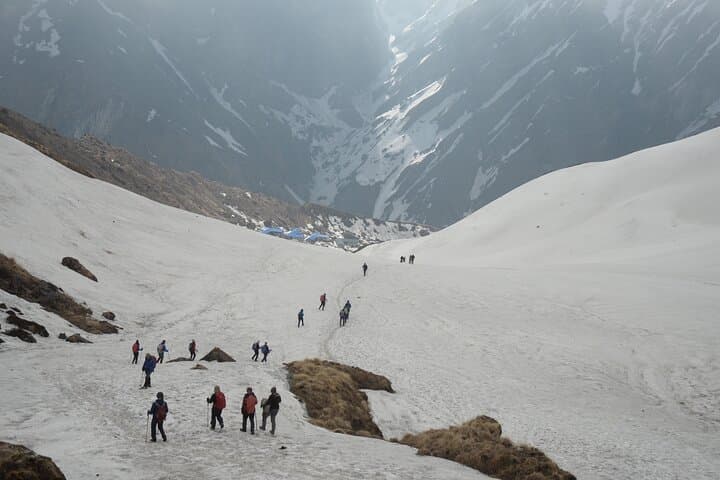
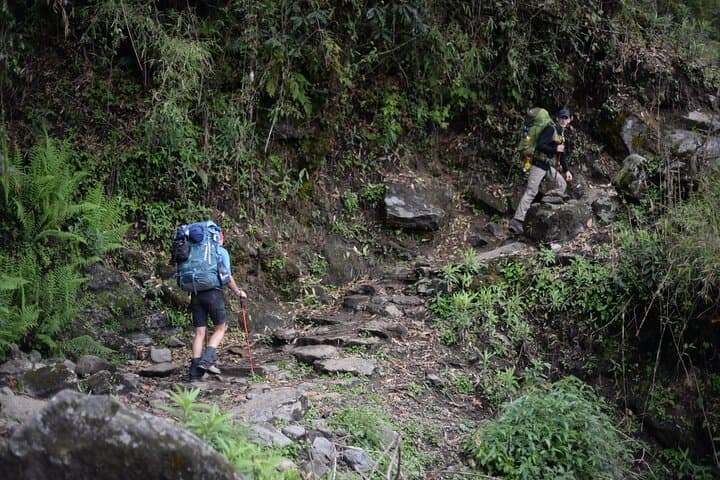

Dawn spreads cold light across the Annapurna Massif as you step out of a teahouse and follow a trail that climbs, drops, then climbs again toward a bowl of rock and ice—Annapurna Base Camp (4,130 m).
Dawn spreads cold light across the Annapurna Massif as you step out of a teahouse and follow a trail that climbs, drops, then climbs again toward a bowl of rock and ice—Annapurna Base Camp (4,130 m).
The route threads through subtropical river valleys, rhododendron forests, and high alpine scree. Geologically the sanctuary is a carved amphitheater of metamorphic rock and glacial debris, framed by Annapurna I (8,091 m) and the fan-shaped face of Machhapuchhre. The Annapurna Conservation Area, established to protect this landscape and local livelihoods, intersects with Gurung and Magar villages like Ghandruk and Chhomrong where Buddhist stupas and prayer flags mark cultural waypoints.
Expect 4–7 hours of hiking on most days with sustained elevation gains—total ascent from Pokhara (884 m) to ABC is roughly 3,200–3,300 meters over the itinerary. Accommodation is teahouse‑style on the trail; the program commonly includes domestic flights Kathmandu–Pokhara, porters (about one per two trekkers), TIMS and ACA permits, and an experienced guide. Weather swings fast: clear mornings can give way to wind-driven snow at higher camps.
Practical guidance: prioritize acclimatization—follow the schedule, sip water frequently, and carry a basic altitude plan. Good waterproof layers, sturdy boots, and a sleeping liner will improve comfort in teahouses. Spring and fall offer the most stable windows for views and trail conditions; monsoon months are wetter and colder at altitude. Cash, a charged power bank, and respect for local conservation rules will keep the trip smooth and sustainable.