THE ADVENTURE COLLECTIVE® · Independent discovery and booking for outdoor travel

A 14-day classic from Pokhara to Annapurna Base Camp that trades city heat for alpine air: expect steep stone staircases, rhododendron-clad slopes, Poon Hill sunrises and teahouse nights. Read on for logistics, culture, and what to pack for this high-altitude trek.
A 14-day classic from Pokhara to Annapurna Base Camp that trades city heat for alpine air: expect steep stone staircases, rhododendron-clad slopes, Poon Hill sunrises and teahouse nights. Read on for logistics, culture, and what to pack for this high-altitude trek.
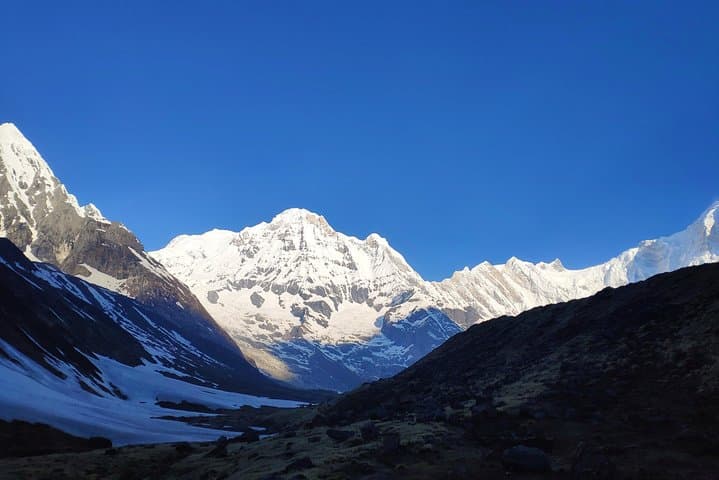
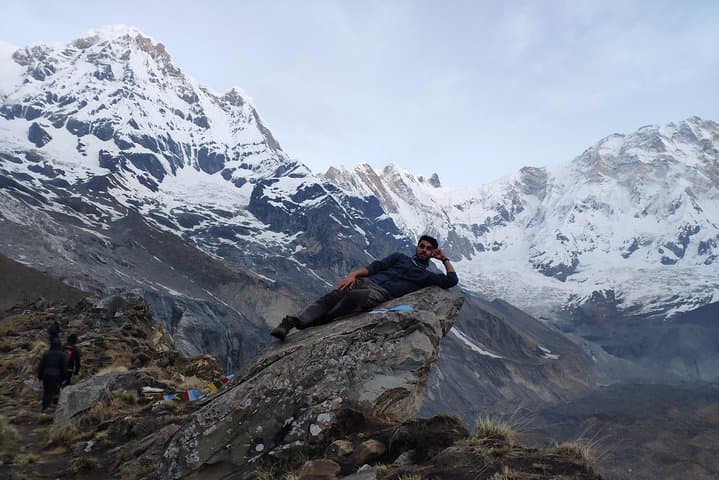
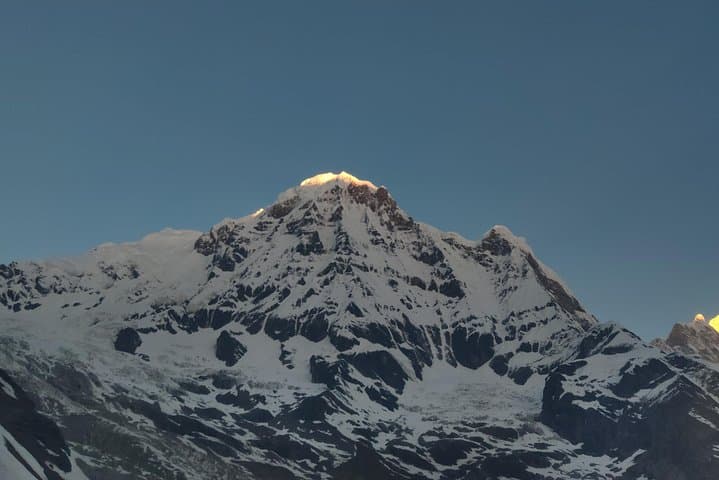
Dawn in the Annapurna Sanctuary arrives like a staged cue — lights sweeping over jagged ridgelines while the air itself feels thinner and more intent. You leave Pokhara’s balmy streets behind and follow river valleys that dare you higher, through rhododendron forests that thunder with unseen life and villages where stone staircases test your legs and patience.
Verified experiences and guided adventures in the surrounding area.
Operated by Alpine Mountain Trek Advisor · Pokhara, Gandaki Province
Dawn in the Annapurna Sanctuary arrives like a staged cue — lights sweeping over jagged ridgelines while the air itself feels thinner and more intent. You leave Pokhara’s balmy streets behind and follow river valleys that dare you higher, through rhododendron forests that thunder with unseen life and villages where stone staircases test your legs and patience.
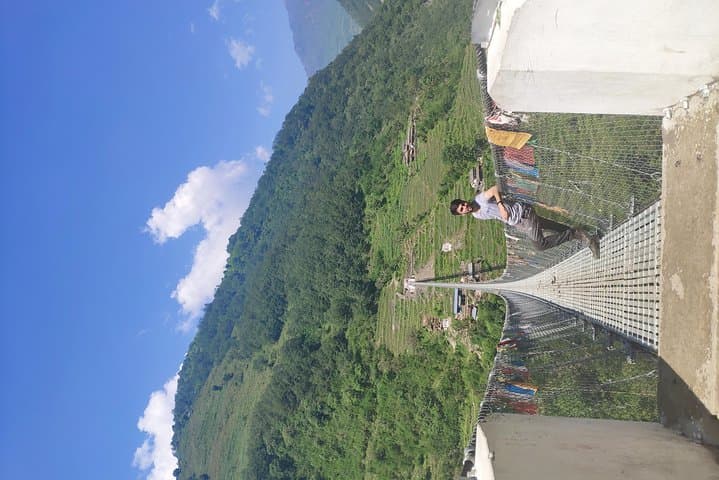
This route threads centuries of Gurung culture and Himalayan geology: layered metamorphic rock heaved up by the collision of the Indian and Eurasian plates; glacial moraine that shapes the amphitheater of Annapurna Base Camp (ABC). Local villages like Ghandruk and Ulleri hold living culture — terraced fields, traditional homes, and the Gurung people’s hospitality — while the Annapurna Conservation Area, established in the 1980s, protects fragile alpine ecosystems and endemic species.
Expect long days on uneven stone steps, steady gains in altitude, and spectacular rewards — Poon Hill’s sunrise view of Annapurna I, Dhaulagiri, and Machapuchhre is immediate proof of effort paid back in scale and silence. Wildlife sightings may be subtle: a furtive musk deer or the sure-footed Himalayan tahr on distant slopes.
Practical guidance: acclimatize slowly, plan for 5–8 hour trekking days, and carry warm layers for nights above 3,000 m. Hydration and sun protection are nonnegotiable; trekking poles reduce knee strain on steep descents. Lodging is basic teahouse comfort — bring a warm sleeping layer and patience for shared facilities. With steady fitness and respect for altitude, the ABC trek is a classic Himalayan achievement.
challenging.
13–14 days.
Good aerobic base and experience with multi-day hikes; able to walk 5–8 hours on consecutive days and handle altitude.
Yes — you need an Annapurna Conservation Area Permit (ACAP) and a TIMS card; operators usually arrange these before departure.
Fall (Sept–Nov) and spring (Mar–May) offer the most reliable weather and best visibility for Himalayan panoramas.
The final approach reaches over 4,100m; symptoms of altitude can occur — acclimatize, monitor symptoms, and descend if they worsen.
Teahouses provide basic rooms and meals; hot showers are limited and charge extra at higher elevations, so plan accordingly.
The Annapurna region is home to Gurung communities and became Nepal’s first conservation area under the Annapurna Conservation Area Project to balance tourism and local livelihoods.
Follow ACAP guidelines, minimize waste (pack out plastic where possible), and use local teahouses and guides to support community-based conservation.
Alpine Mountain Trek Advisor operates guided outdoor trips and adventures with an emphasis on safety, stewardship, and memorable experiences.
Dawn in the Annapurna Sanctuary arrives like a staged cue — lights sweeping over jagged ridgelines while the air itself feels thinner and more intent. You leave Pokhara’s balmy streets behind and follow river valleys that dare you higher, through rhododendron forests that thunder with unseen life and villages where stone staircases test your legs and patience.
Dawn in the Annapurna Sanctuary arrives like a staged cue — lights sweeping over jagged ridgelines while the air itself feels thinner and more intent. You leave Pokhara’s balmy streets behind and follow river valleys that dare you higher, through rhododendron forests that thunder with unseen life and villages where stone staircases test your legs and patience.
This route threads centuries of Gurung culture and Himalayan geology: layered metamorphic rock heaved up by the collision of the Indian and Eurasian plates; glacial moraine that shapes the amphitheater of Annapurna Base Camp (ABC). Local villages like Ghandruk and Ulleri hold living culture — terraced fields, traditional homes, and the Gurung people’s hospitality — while the Annapurna Conservation Area, established in the 1980s, protects fragile alpine ecosystems and endemic species.
Expect long days on uneven stone steps, steady gains in altitude, and spectacular rewards — Poon Hill’s sunrise view of Annapurna I, Dhaulagiri, and Machapuchhre is immediate proof of effort paid back in scale and silence. Wildlife sightings may be subtle: a furtive musk deer or the sure-footed Himalayan tahr on distant slopes.
Practical guidance: acclimatize slowly, plan for 5–8 hour trekking days, and carry warm layers for nights above 3,000 m. Hydration and sun protection are nonnegotiable; trekking poles reduce knee strain on steep descents. Lodging is basic teahouse comfort — bring a warm sleeping layer and patience for shared facilities. With steady fitness and respect for altitude, the ABC trek is a classic Himalayan achievement.