THE ADVENTURE COLLECTIVE® · Independent discovery and booking for outdoor travel

Follow stone stairways from terraced fields into a glaciated amphitheater beneath Annapurna I. This 14‑day itinerary balances acclimatization with steady mileage, teahouse nights, and close-up Himalayan panoramas.
Follow stone stairways from terraced fields into a glaciated amphitheater beneath Annapurna I. This 14‑day itinerary balances acclimatization with steady mileage, teahouse nights, and close-up Himalayan panoramas.
A dusting of early light slices across terraced rice paddies as you leave Pokhara and cross the Modi Khola gorge. The trail climbs on stone steps, threads rhododendron and bamboo forests, and opens into high meadows where the massif finally fills the horizon — eleven Himalayan giants circling the glacial bowl of Annapurna Base Camp (ABC) at roughly 4,130 m.
Verified experiences and guided adventures in the surrounding area.
Operated by Annapurna Foothills Treks Expedition Pvt. Ltd. · Pokhara, Gandaki Province
A dusting of early light slices across terraced rice paddies as you leave Pokhara and cross the Modi Khola gorge. The trail climbs on stone steps, threads rhododendron and bamboo forests, and opens into high meadows where the massif finally fills the horizon — eleven Himalayan giants circling the glacial bowl of Annapurna Base Camp (ABC) at roughly 4,130 m.
This route follows routes long used by local traders and shepherds and now serves both expeditions assembling beneath Annapurna I and travelers seeking close mountain views. Geologically, the Annapurna range is a young, uplifted slice of the Himalaya, its steep faces carved by glaciers and the Modi River. Culturally the valley is shaped by Gurung and Magar villages, where teahouse hospitality and local cuisine punctuate the trail.
Expect a steady mix of stone staircases, single-track trails, and occasional scree on higher approaches; daily walking times vary from 3–7 hours with planned acclimatization. You’ll pass Ghorepani and Machhapuchhre Base Camp, with a summit-like arrival at the glacial amphitheater of ABC. Guides, porters, TIMS and Annapurna Conservation permits are standard; lodges provide simple dorm-style rooms and hot meals.
Practical edge: keep a slow pace uphill, drink at least 3 liters daily, and layer for wind and sun at high camps. Plan for contingency days for weather or acclimatization, carry a down jacket and a small first-aid kit, and confirm evacuation coverage with your insurance. For anyone who loves long mountain days, tactile high-altitude views, and human-scale trail culture, the Annapurna Base Camp trek is demanding but richly rewarding.
challenging.
14 days.
Good aerobic fitness with experience on multi-day hikes; able to hike 4–7 hours per day carrying a daypack.
Yes — you must carry a TIMS card and pay the Annapurna Conservation Area Permit; guides typically arrange these before the trek.
The itinerary reaches ABC at ~4,130 m with daily gains varying; acclimatization days are built into the 14‑day plan to reduce risk.
Yes — lodge accommodation is standard, twin-share simple rooms with shared bathrooms and cooked meals available each evening.
No technical gear is needed for the classic ABC route; crampons are not required in normal seasons but may be useful in winter or heavy snow.
The Annapurna massif has long been home to Gurung and Magar communities; trade and pastoral routes shaped the network of trails now used by trekkers.
The Annapurna Conservation Area regulates permits and promotes sustainable lodge practices; minimize waste, avoid single-use plastics, and follow local guidance.
Annapurna Foothills Treks Expedition Pvt. Ltd. operates guided outdoor trips and adventures with an emphasis on safety, stewardship, and memorable experiences.
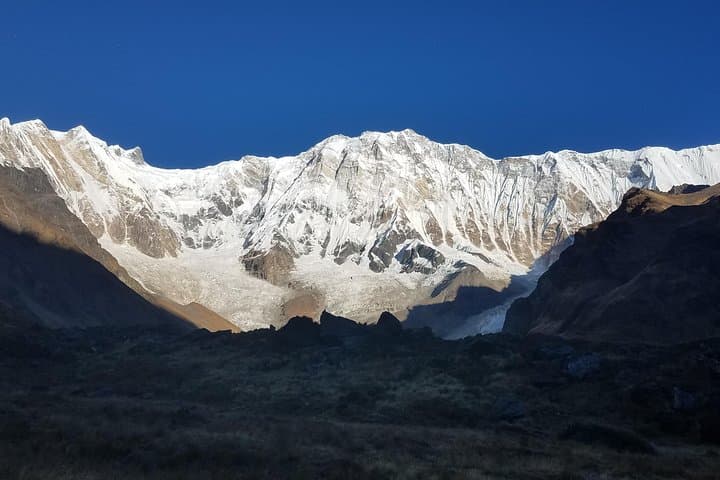
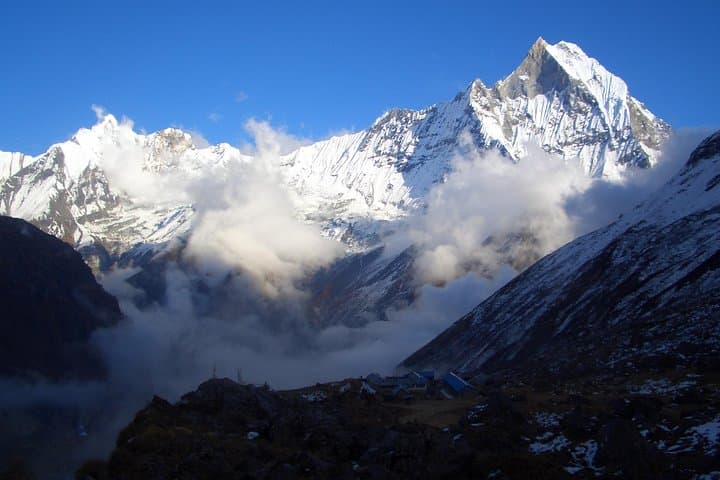
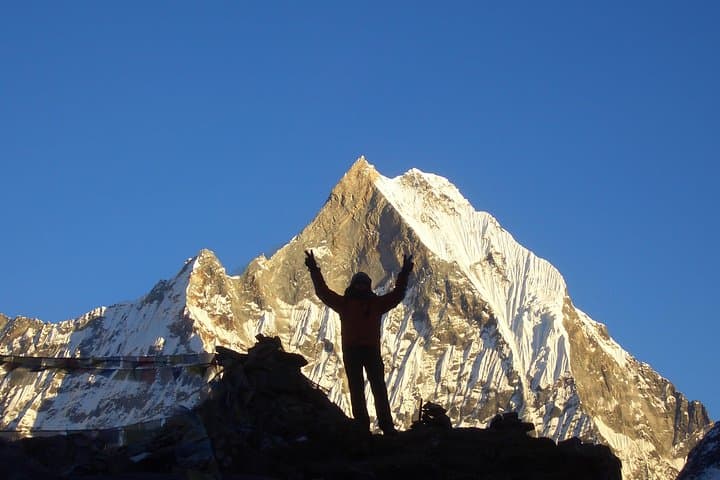
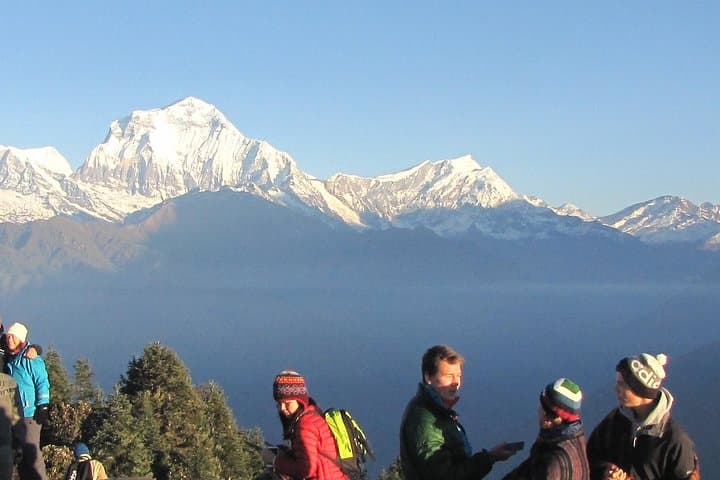
A dusting of early light slices across terraced rice paddies as you leave Pokhara and cross the Modi Khola gorge. The trail climbs on stone steps, threads rhododendron and bamboo forests, and opens into high meadows where the massif finally fills the horizon — eleven Himalayan giants circling the glacial bowl of Annapurna Base Camp (ABC) at roughly 4,130 m.
A dusting of early light slices across terraced rice paddies as you leave Pokhara and cross the Modi Khola gorge. The trail climbs on stone steps, threads rhododendron and bamboo forests, and opens into high meadows where the massif finally fills the horizon — eleven Himalayan giants circling the glacial bowl of Annapurna Base Camp (ABC) at roughly 4,130 m.
This route follows routes long used by local traders and shepherds and now serves both expeditions assembling beneath Annapurna I and travelers seeking close mountain views. Geologically, the Annapurna range is a young, uplifted slice of the Himalaya, its steep faces carved by glaciers and the Modi River. Culturally the valley is shaped by Gurung and Magar villages, where teahouse hospitality and local cuisine punctuate the trail.
Expect a steady mix of stone staircases, single-track trails, and occasional scree on higher approaches; daily walking times vary from 3–7 hours with planned acclimatization. You’ll pass Ghorepani and Machhapuchhre Base Camp, with a summit-like arrival at the glacial amphitheater of ABC. Guides, porters, TIMS and Annapurna Conservation permits are standard; lodges provide simple dorm-style rooms and hot meals.
Practical edge: keep a slow pace uphill, drink at least 3 liters daily, and layer for wind and sun at high camps. Plan for contingency days for weather or acclimatization, carry a down jacket and a small first-aid kit, and confirm evacuation coverage with your insurance. For anyone who loves long mountain days, tactile high-altitude views, and human-scale trail culture, the Annapurna Base Camp trek is demanding but richly rewarding.