THE ADVENTURE COLLECTIVE® · Independent discovery and booking for outdoor travel

Climb ancient stone steps, cross suspended bridges and sleep below a ring of 7,000–8,000 m peaks on this 14-day Annapurna Base Camp trek. Expect tea houses, steep ascents, and a sunrise at Poon Hill that makes the climb worth every step.
Climb ancient stone steps, cross suspended bridges and sleep below a ring of 7,000–8,000 m peaks on this 14-day Annapurna Base Camp trek. Expect tea houses, steep ascents, and a sunrise at Poon Hill that makes the climb worth every step.
Morning light threads across Fewa Lake as the bus lurches out of Pokhara and the ridge of the Annapurnas grows teeth and shadow on the horizon. By the time you leave the road at Nayapul the trail narrows into stone steps, river crossings and rhododendron corridors that seem to dare you onward. Over two weeks you move from subtropical valley floor through oak and fir, into an amphitheater of granite where glaciers hang above camps of prayer flags.
Verified experiences and guided adventures in the surrounding area.
Operated by Adventure Thirdpole · Pokhara, Gandaki Province
Morning light threads across Fewa Lake as the bus lurches out of Pokhara and the ridge of the Annapurnas grows teeth and shadow on the horizon. By the time you leave the road at Nayapul the trail narrows into stone steps, river crossings and rhododendron corridors that seem to dare you onward. Over two weeks you move from subtropical valley floor through oak and fir, into an amphitheater of granite where glaciers hang above camps of prayer flags.
The route follows centuries-old mule trails through Gurung villages—Ulleri’s 3,000 carved steps, the sunrise platform of Poon Hill (3,210 m), and the deep Modi Khola gorge—before you climb to Annapurna Base Camp at about 4,130 m. Geologically the massif is young Himalayan uplift: steep faces, hanging glaciers and frequent rockfall along steep drainages. Culturally, villages are small, largely Gurung and Buddhist, with tea houses that double as community hubs.
Practically, expect long days (4–7 hours of hiking on many segments), simple lodges, and variable weather—warm valleys and freezing nights at high camp. Permits (ACAP and TIMS) and a registered guide are standard; porters are commonly used to ease load. Acclimatize on Poon Hill or by adding a rest day; watch pace rather than pride. Footwear with good grip, layered insulating clothing, and a daypack with water purification will keep you moving. The payoff is immediate: a 360° bowl of white summits and the glacier that feeds the Modi—an elemental ending to a classic Himalayan traverse.
challenging.
12–14 days.
Good aerobic fitness with stair-climbing endurance; able to hike 4–7 hours/day with a light pack.
You need the Annapurna Conservation Area Permit (ACAP) and a Trekkers' Information Management System (TIMS) card; guides commonly help arrange these at the start.
ABC is about 4,130 m; many trekkers feel mild symptoms—headache, fatigue—so ascend slowly, hydrate, and plan a rest day if needed.
Tea-house lodges provide basic private rooms and meals; this itinerary includes most breakfasts, lunches and dinners in trekking areas.
Spring (Mar–May) and fall (Sept–Nov) offer the most stable weather and rhododendron blooms (spring) or clear mountain views (fall).
The Annapurna massif was first explored by mountaineers in the mid-20th century; Annapurna I (8,091 m) was the first 8,000 m peak climbed (1950). Machapuchare (Fishtail) remains unclimbed and sacred to local communities.
The trek passes through Annapurna Conservation Area (ACAP), which regulates permits and promotes community-based tourism to reduce environmental impact and manage waste.
Adventure Thirdpole operates guided outdoor trips and adventures with an emphasis on safety, stewardship, and memorable experiences.
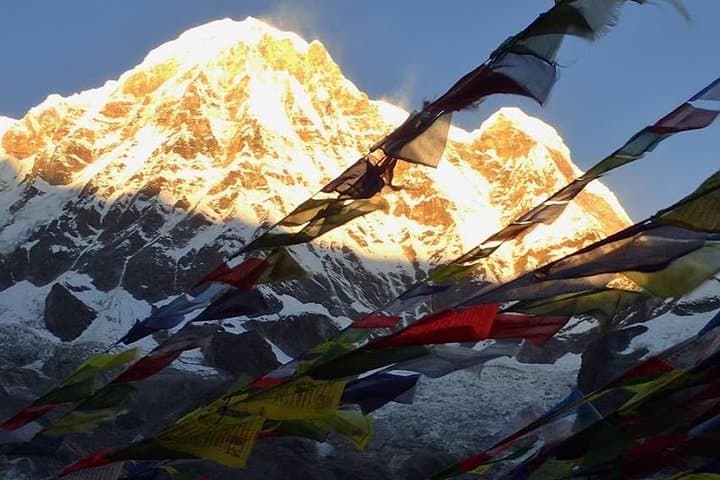
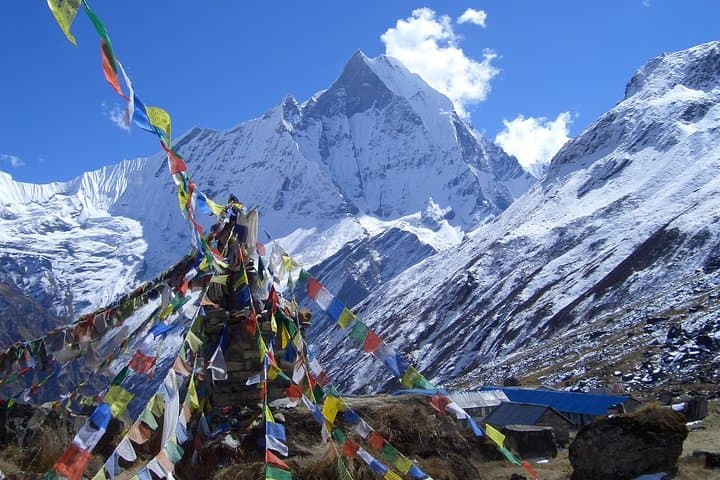
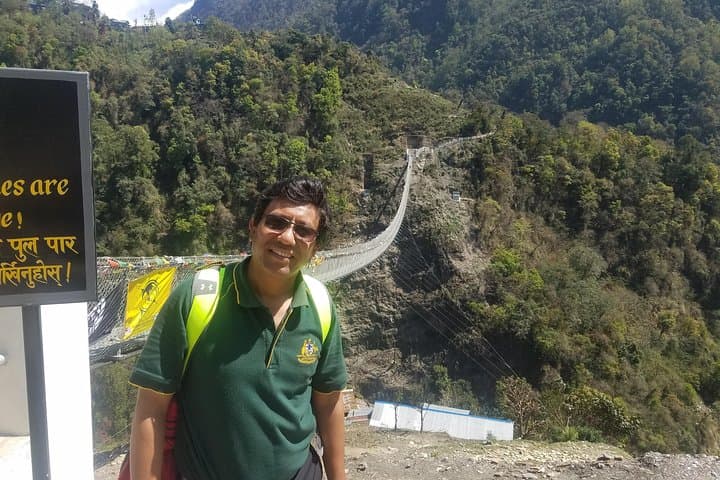
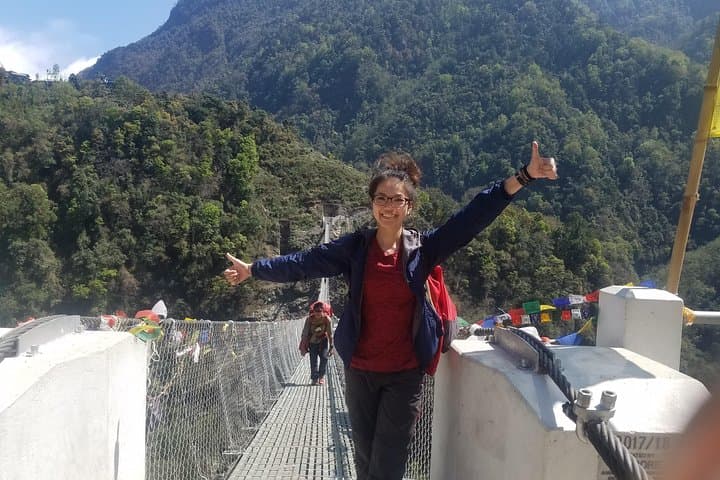
Morning light threads across Fewa Lake as the bus lurches out of Pokhara and the ridge of the Annapurnas grows teeth and shadow on the horizon. By the time you leave the road at Nayapul the trail narrows into stone steps, river crossings and rhododendron corridors that seem to dare you onward. Over two weeks you move from subtropical valley floor through oak and fir, into an amphitheater of granite where glaciers hang above camps of prayer flags.
Morning light threads across Fewa Lake as the bus lurches out of Pokhara and the ridge of the Annapurnas grows teeth and shadow on the horizon. By the time you leave the road at Nayapul the trail narrows into stone steps, river crossings and rhododendron corridors that seem to dare you onward. Over two weeks you move from subtropical valley floor through oak and fir, into an amphitheater of granite where glaciers hang above camps of prayer flags.
The route follows centuries-old mule trails through Gurung villages—Ulleri’s 3,000 carved steps, the sunrise platform of Poon Hill (3,210 m), and the deep Modi Khola gorge—before you climb to Annapurna Base Camp at about 4,130 m. Geologically the massif is young Himalayan uplift: steep faces, hanging glaciers and frequent rockfall along steep drainages. Culturally, villages are small, largely Gurung and Buddhist, with tea houses that double as community hubs.
Practically, expect long days (4–7 hours of hiking on many segments), simple lodges, and variable weather—warm valleys and freezing nights at high camp. Permits (ACAP and TIMS) and a registered guide are standard; porters are commonly used to ease load. Acclimatize on Poon Hill or by adding a rest day; watch pace rather than pride. Footwear with good grip, layered insulating clothing, and a daypack with water purification will keep you moving. The payoff is immediate: a 360° bowl of white summits and the glacier that feeds the Modi—an elemental ending to a classic Himalayan traverse.