THE ADVENTURE COLLECTIVE® · Independent discovery and booking for outdoor travel

A 13-day circuit into the Annapurna Sanctuary that climbs through rhododendron forests, sunrise at Poon Hill, and the high alpine bowl of Annapurna Base Camp. Expect steep stone staircases, teahouse nights, and big Himalayan views—plan for altitude and variable weather.
A 13-day circuit into the Annapurna Sanctuary that climbs through rhododendron forests, sunrise at Poon Hill, and the high alpine bowl of Annapurna Base Camp. Expect steep stone staircases, teahouse nights, and big Himalayan views—plan for altitude and variable weather.
The morning light slices across serrated peaks as you climb from rhododendron skirts into the open bowl of the Annapurna Sanctuary. Air thins, prayer flags snap, and the massif that gives this route its name looms—Annapurna I’s granite wall filling the view.
Verified experiences and guided adventures in the surrounding area.
Operated by Places Nepal Trek & Tours · Pokhara, Gandaki Province
The morning light slices across serrated peaks as you climb from rhododendron skirts into the open bowl of the Annapurna Sanctuary. Air thins, prayer flags snap, and the massif that gives this route its name looms—Annapurna I’s granite wall filling the view.
This trail travels ancient mule tracks and seasonal shepherd routes through the territory of the Gurung and Magar peoples. Geology here is dramatic: deeply carved valleys, glacial cirques, and moraines framing a concave amphitheater of 6,000–8,000 meter summits. The trek stitches culture and landscape—hill villages with stone houses, mani walls, and teahouses that have hosted traders for generations.
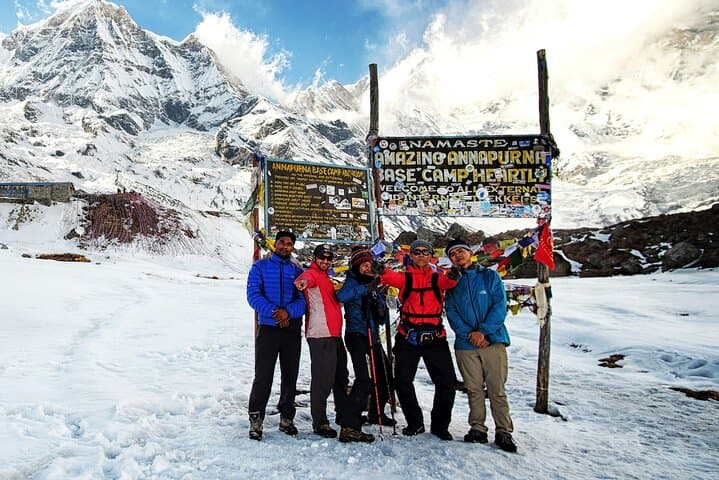
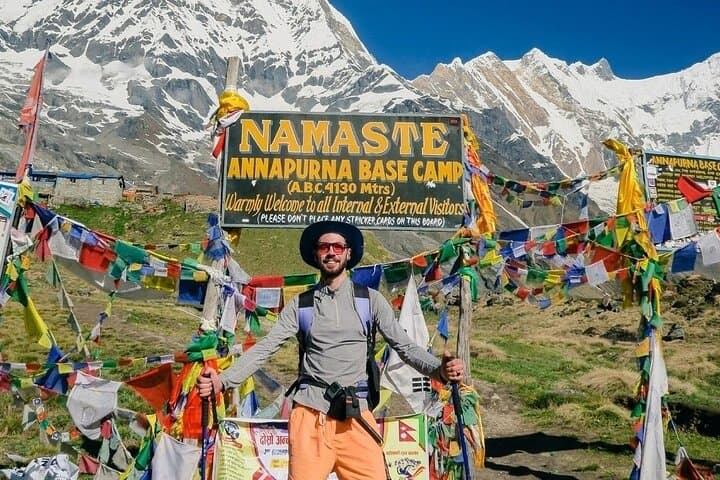
Expect forested climbs through oak and rhododendron, steep stone staircases at Ulleri, a sunrise detour to Poon Hill, and the final approach across alpine meadows into the amphitheater of Annapurna Base Camp at roughly 4,130 m. Wildlife is shy but present; birds and occasional langur sightings break the silence. Locals run tea houses and lodges that make multi-day logistics manageable, but weather and altitude dictate pace.
Practical guidance: plan for 12–13 days to allow acclimatization, carry layered clothing for large diurnal swings, and bring a reliable water treatment method. Start early on key days to avoid afternoon storms, and budget for permits and local guide and porter services. Hydrate deliberately, watch for altitude symptoms, and respect local waste rules—this route rewards patience with expansive mountain views and the steady rhythm of Himalayan walking.
challenging.
12–13 days.
Be able to hike 5–7 hours a day on uneven, often steep terrain and handle altitude gains to 4,130 m; good cardiovascular fitness and ankle stability recommended.
Spring (March–May) and autumn (September–November) offer the most stable weather, clearer mountain views, and comfortable daytime temperatures.
Yes. Trekkers require an Annapurna Conservation Area Permit (ACAP) and a TIMS card; guides/agents usually arrange these before departure.
Yes. Annapurna Base Camp reaches about 4,130 m; follow a conservative ascent profile, stay hydrated, and descend if symptoms worsen.
No. Carry sufficient Nepali rupees; you can withdraw cash in Pokhara before the trek, and most teahouses accept cash only.
The route follows traditional trade and shepherd tracks used by Gurung and Magar communities; teahouses evolved as trade declined and trekking grew in the late 20th century.
The Annapurna Conservation Area Project (ACAP) regulates permits and waste management; practice pack-in, pack-out, and support local businesses to reduce impact.
Places Nepal Trek & Tours operates guided outdoor trips and adventures with an emphasis on safety, stewardship, and memorable experiences.
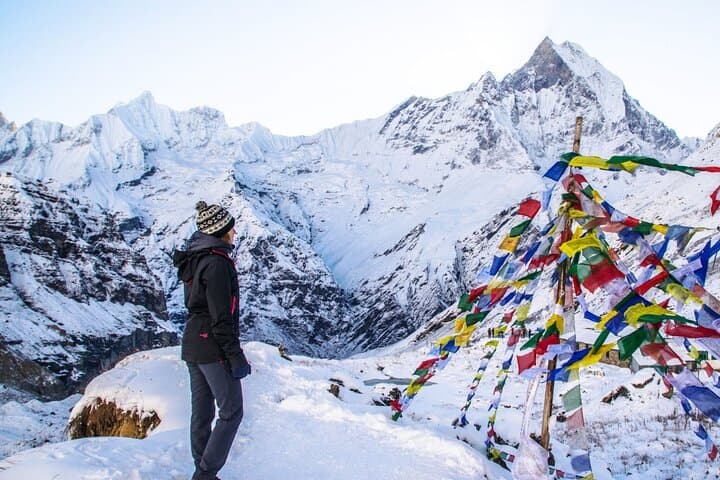
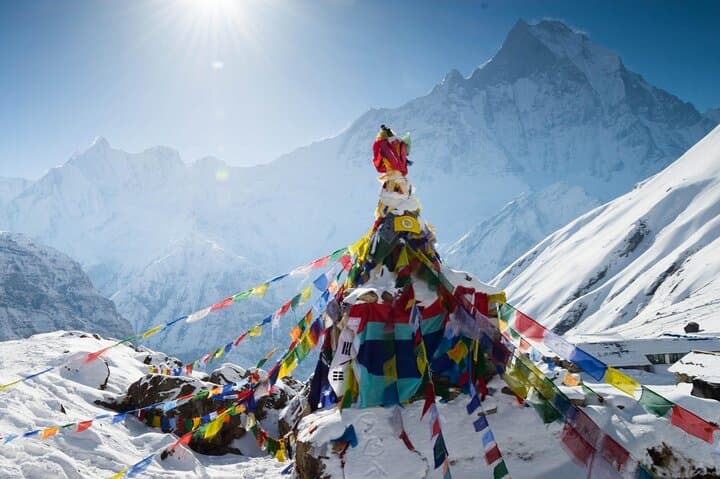
The morning light slices across serrated peaks as you climb from rhododendron skirts into the open bowl of the Annapurna Sanctuary. Air thins, prayer flags snap, and the massif that gives this route its name looms—Annapurna I’s granite wall filling the view.
The morning light slices across serrated peaks as you climb from rhododendron skirts into the open bowl of the Annapurna Sanctuary. Air thins, prayer flags snap, and the massif that gives this route its name looms—Annapurna I’s granite wall filling the view.
This trail travels ancient mule tracks and seasonal shepherd routes through the territory of the Gurung and Magar peoples. Geology here is dramatic: deeply carved valleys, glacial cirques, and moraines framing a concave amphitheater of 6,000–8,000 meter summits. The trek stitches culture and landscape—hill villages with stone houses, mani walls, and teahouses that have hosted traders for generations.
Expect forested climbs through oak and rhododendron, steep stone staircases at Ulleri, a sunrise detour to Poon Hill, and the final approach across alpine meadows into the amphitheater of Annapurna Base Camp at roughly 4,130 m. Wildlife is shy but present; birds and occasional langur sightings break the silence. Locals run tea houses and lodges that make multi-day logistics manageable, but weather and altitude dictate pace.
Practical guidance: plan for 12–13 days to allow acclimatization, carry layered clothing for large diurnal swings, and bring a reliable water treatment method. Start early on key days to avoid afternoon storms, and budget for permits and local guide and porter services. Hydrate deliberately, watch for altitude symptoms, and respect local waste rules—this route rewards patience with expansive mountain views and the steady rhythm of Himalayan walking.