THE ADVENTURE COLLECTIVE® · Independent discovery and booking for outdoor travel

A 13-day lodge-to-lodge trek that climbs to 4,130 m at Annapurna Base Camp, weaving through Gurung and Magar villages, rhododendron forests, and dramatic moraine fields. Ideal for intermediate trekkers who can manage steep stone stairways and high-altitude conditions.
A 13-day lodge-to-lodge trek that climbs to 4,130 m at Annapurna Base Camp, weaving through Gurung and Magar villages, rhododendron forests, and dramatic moraine fields. Ideal for intermediate trekkers who can manage steep stone stairways and high-altitude conditions.
A cold morning in the Annapurna Sanctuary sharpens every sound: prayer flags slap the wind, teahouse kettles hiss, and the trail folds into a band of stone and rhododendron. By mid-week the valley opens—glacial moraines and granite ribs frame Annapurna I and Machapuchare—and you know why trekkers come here: raw mountain scale with human villages threaded through it.
Verified experiences and guided adventures in the surrounding area.
Operated by Adventure Great Himalaya Trek and Expedition · Pokhara, Gandaki Province
A cold morning in the Annapurna Sanctuary sharpens every sound: prayer flags slap the wind, teahouse kettles hiss, and the trail folds into a band of stone and rhododendron. By mid-week the valley opens—glacial moraines and granite ribs frame Annapurna I and Machapuchare—and you know why trekkers come here: raw mountain scale with human villages threaded through it.
The route follows traditional trade and shepherd paths used by Gurung and Magar communities for centuries. Geologically the Annapurna massif is young—steep-faced and heavily glaciated—its moraine fields and cirques revealing ongoing uplift and erosion. The trek passes through the Annapurna Conservation Area, an early model of community-based conservation that balances tourism with local stewardship.
Expect village life on the trail: terraced fields, wooden teahouses, and porters who move supplies by foot. Trails vary from packed dirt and stone stairways to loose moraine near base camp; altitude tops out around 4,130 m at ABC, so acclimatize slowly. Sunrise from Poon Hill or the amphitheater at ABC is the payoff—gold on snow that makes the long days tangible.
Practical guidance: plan 12–13 days including flights to Pokhara, carry layered clothing for big temperature swings, and use a sleeping liner for teahouse rooms. Hydrate, watch for acute mountain sickness symptoms, and budget extra time for weather delays. Footwear with good ankle support and trekking poles make steep descents easier. With preparation this is a challenging but accessible high-altitude lodge trek that rewards with close-up Himalaya views and sustained cultural contact.
challenging.
13 days.
Good cardiovascular fitness with experience on multi-day hikes; able to walk 5–7 hours daily with a daypack and manage altitude up to 4,130 m.
Pre-monsoon (spring: March–May) and post-monsoon (autumn: September–November) offer the most stable weather and clear mountain views.
Teahouses provide basic private or dorm rooms with blankets; hot showers and electricity often cost extra—bring a sleeping liner for hygiene and warmth.
ABC reaches 4,130 m, so altitude illness is a real risk; ascend slowly, hydrate, and be prepared to descend if symptoms develop.
Guides are highly recommended for logistics, navigation, and cultural interpretation; porters are common to share loads and increase daily comfort.
The trail winds through lands of the Gurung and Magar peoples and crosses routes historically used for trade and seasonal herding; the Annapurna Conservation Area was established to manage rising tourism impacts.
Trekking here supports community-run conservation through ACAP; stick to trails, pack out non-biodegradable waste, and use refillable water containers to reduce plastic.
Adventure Great Himalaya Trek and Expedition operates guided outdoor trips and adventures with an emphasis on safety, stewardship, and memorable experiences.
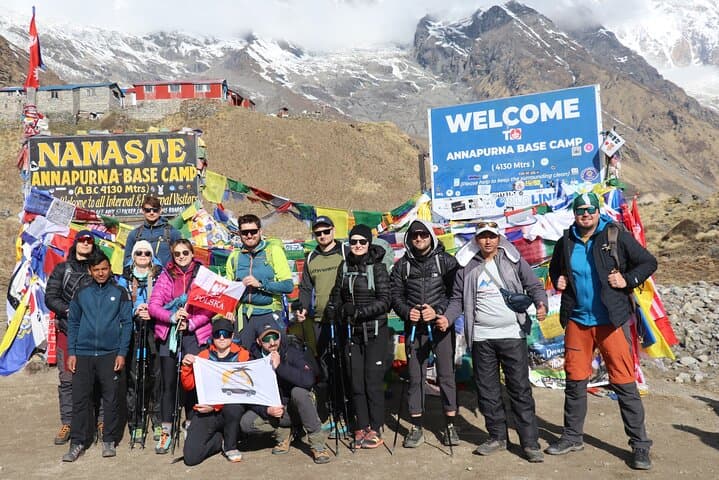
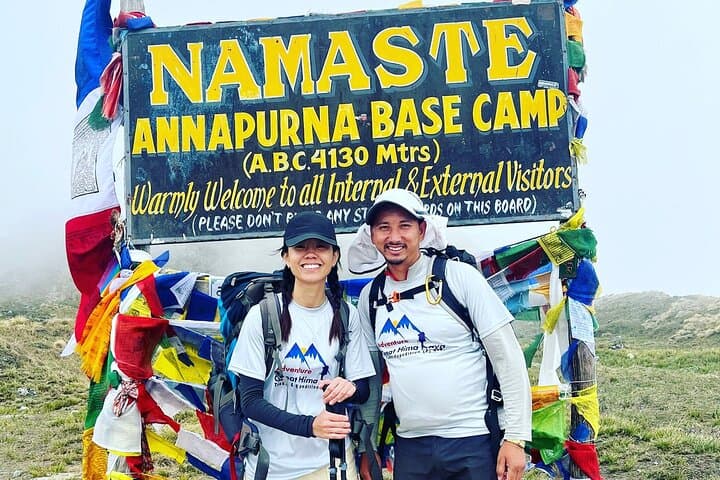
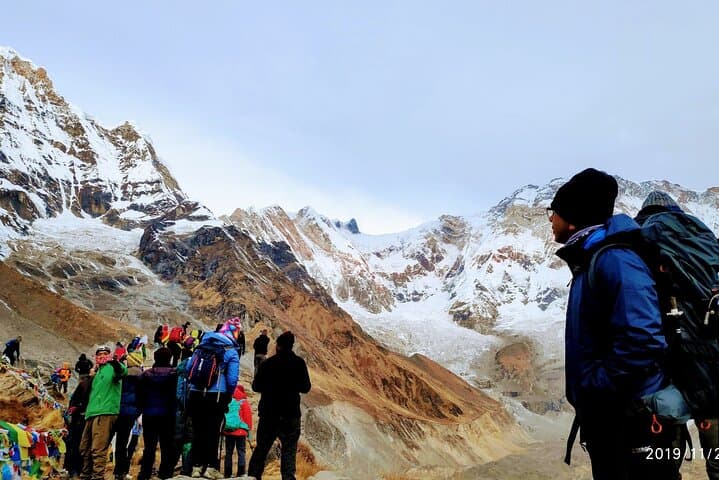
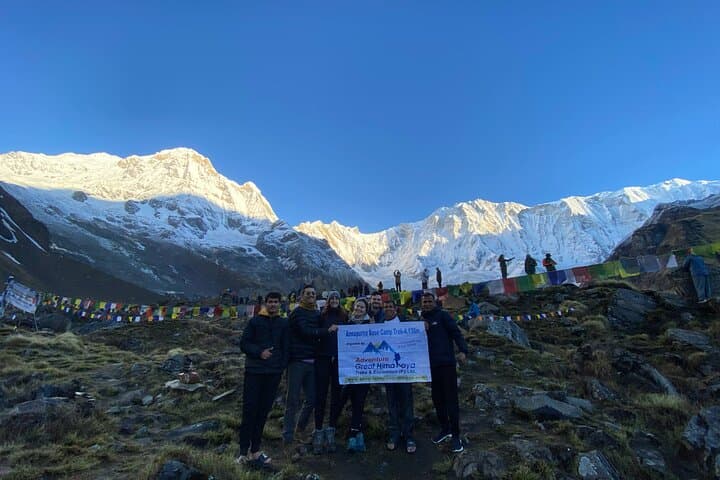
A cold morning in the Annapurna Sanctuary sharpens every sound: prayer flags slap the wind, teahouse kettles hiss, and the trail folds into a band of stone and rhododendron. By mid-week the valley opens—glacial moraines and granite ribs frame Annapurna I and Machapuchare—and you know why trekkers come here: raw mountain scale with human villages threaded through it.
A cold morning in the Annapurna Sanctuary sharpens every sound: prayer flags slap the wind, teahouse kettles hiss, and the trail folds into a band of stone and rhododendron. By mid-week the valley opens—glacial moraines and granite ribs frame Annapurna I and Machapuchare—and you know why trekkers come here: raw mountain scale with human villages threaded through it.
The route follows traditional trade and shepherd paths used by Gurung and Magar communities for centuries. Geologically the Annapurna massif is young—steep-faced and heavily glaciated—its moraine fields and cirques revealing ongoing uplift and erosion. The trek passes through the Annapurna Conservation Area, an early model of community-based conservation that balances tourism with local stewardship.
Expect village life on the trail: terraced fields, wooden teahouses, and porters who move supplies by foot. Trails vary from packed dirt and stone stairways to loose moraine near base camp; altitude tops out around 4,130 m at ABC, so acclimatize slowly. Sunrise from Poon Hill or the amphitheater at ABC is the payoff—gold on snow that makes the long days tangible.
Practical guidance: plan 12–13 days including flights to Pokhara, carry layered clothing for big temperature swings, and use a sleeping liner for teahouse rooms. Hydrate, watch for acute mountain sickness symptoms, and budget extra time for weather delays. Footwear with good ankle support and trekking poles make steep descents easier. With preparation this is a challenging but accessible high-altitude lodge trek that rewards with close-up Himalaya views and sustained cultural contact.