THE ADVENTURE COLLECTIVE® · Independent discovery and booking for outdoor travel

A 13-day, classic Himalayan trek that climbs through rhododendron forests and high alpine cirques to Annapurna Base Camp (4,130 m). Expect tea-house nights, panoramic sunrises at Poon Hill, and steep stone staircases — prepare for altitude and variable mountain weather.
A 13-day, classic Himalayan trek that climbs through rhododendron forests and high alpine cirques to Annapurna Base Camp (4,130 m). Expect tea-house nights, panoramic sunrises at Poon Hill, and steep stone staircases — prepare for altitude and variable mountain weather.
Dawn breaks cold and thin as you climb the stone stairs out of a rhododendron forest, breath visible in the rising light. The valley opens and, beyond the pines, a ring of white peaks presses close — Annapurna I, Machhapuchhre’s fish-tail profile and Dhaulagiri dominating the skyline. You move through villages where smoke curls from tin roofs and tea houses ring with teapot clatter.
Verified experiences and guided adventures in the surrounding area.
Operated by Glorious Himalaya Trekking Pvt. Ltd. · Pokhara, Gandaki Province
Dawn breaks cold and thin as you climb the stone stairs out of a rhododendron forest, breath visible in the rising light. The valley opens and, beyond the pines, a ring of white peaks presses close — Annapurna I, Machhapuchhre’s fish-tail profile and Dhaulagiri dominating the skyline. You move through villages where smoke curls from tin roofs and tea houses ring with teapot clatter.
The route threads depth into height: tropical bamboo and subtropical forests drop away into the rain shadow of a high alpine amphitheater. Historically this sanctuary was both a pilgrimage site and a closed region for foreigners until the mid-20th century; today the Annapurna Conservation Area manages permits and local infrastructure.
Villages along the trail are predominantly Gurung and Magar, where local culture and simple hospitality shape every night’s stop. Geologically, the trek follows young Himalayan folds carved by rivers that now dare you to climb through steep terraces and moraine-strewn gullies.
Practically, expect 10–12 days on trail with one high point at 4,130 m; gradual ascent and one or two rest-style acclimatization opportunities (Poon Hill is a classic sunrise detour). Tea-house lodges provide shelter and hot meals, but sleeping quarters are basic and temperatures drop sharply after sunset.
Bring layered clothing, sturdy boots and poles, and maintain slow rhythms uphill to reduce altitude stress. Carry water treatment or purification tablets; refilling points are regular but not guaranteed. Plan extra days in Pokhara before and after the trek for logistics and recovery — this is a Himalayan classic that rewards preparation with sustained, panoramic high-mountain exposure.
challenging.
13 days.
Good aerobic fitness with trekking endurance; comfortable with repeated uphill and downhill days and carrying a daypack.
A licensed guide is strongly recommended for navigation, permit handling and altitude emergencies; many operators include one in the package.
Trekking in the Annapurna region requires a TIMS card and an Annapurna Conservation Area Permit (ACAP); operators commonly arrange these for you.
Spring (March–May) and fall (September–November) offer the most stable weather and best visibility for mountain vistas.
ABC reaches 4,130 m so mild altitude effects are common; proper acclimatization and slow ascent reduce risk, and descent is the primary treatment for severe symptoms.
The Annapurna Sanctuary has long cultural significance to local Hindu and Buddhist communities and was closed to foreigners until the 1950s, opening to trekking in the latter half of the 20th century.
Trekking occurs inside the Annapurna Conservation Area under ACAP regulations; stick to marked trails, minimize single-use plastics, and use lodge water/services to reduce local waste.
Glorious Himalaya Trekking Pvt. Ltd. operates guided outdoor trips and adventures with an emphasis on safety, stewardship, and memorable experiences.
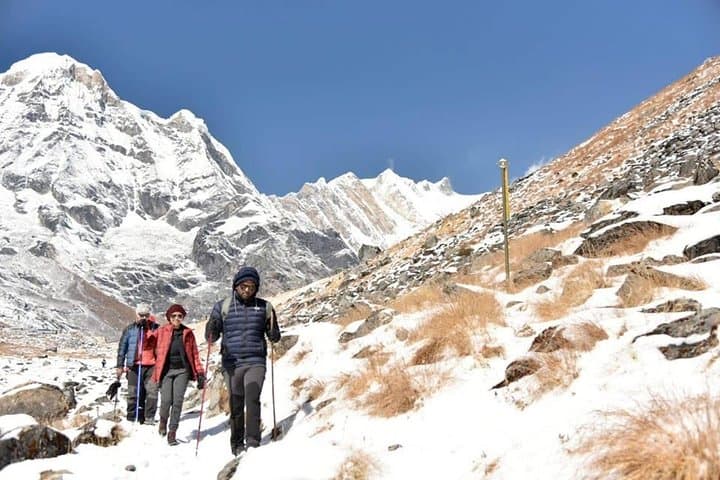
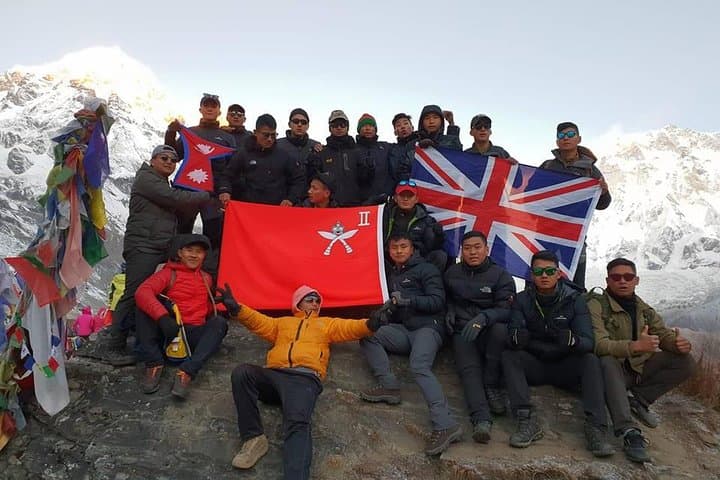
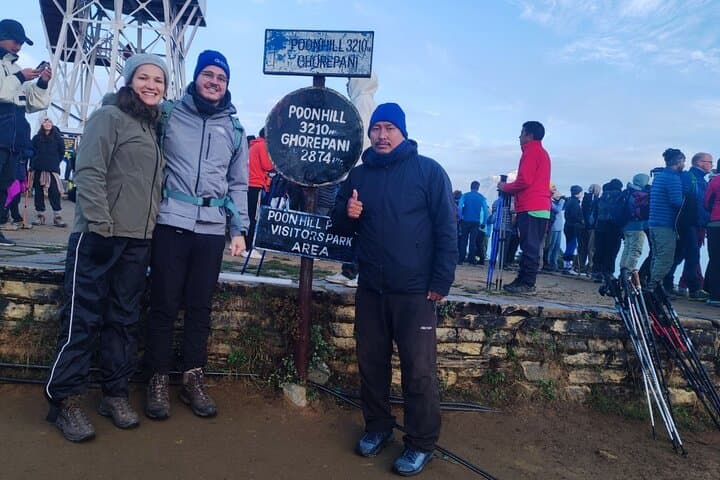
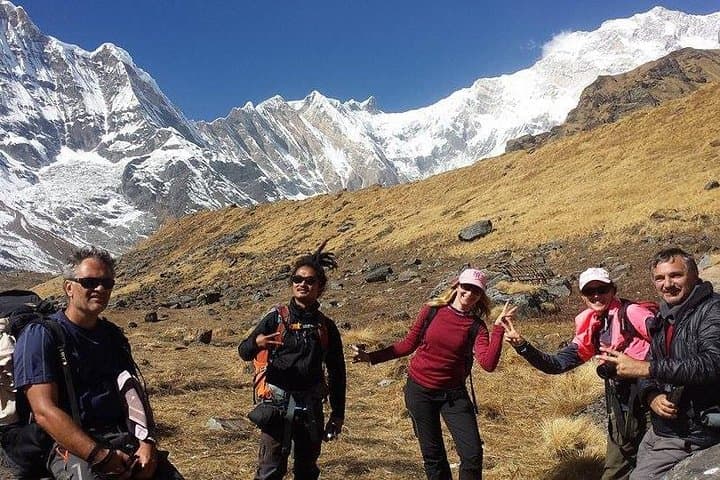
Dawn breaks cold and thin as you climb the stone stairs out of a rhododendron forest, breath visible in the rising light. The valley opens and, beyond the pines, a ring of white peaks presses close — Annapurna I, Machhapuchhre’s fish-tail profile and Dhaulagiri dominating the skyline. You move through villages where smoke curls from tin roofs and tea houses ring with teapot clatter.
Dawn breaks cold and thin as you climb the stone stairs out of a rhododendron forest, breath visible in the rising light. The valley opens and, beyond the pines, a ring of white peaks presses close — Annapurna I, Machhapuchhre’s fish-tail profile and Dhaulagiri dominating the skyline. You move through villages where smoke curls from tin roofs and tea houses ring with teapot clatter.
The route threads depth into height: tropical bamboo and subtropical forests drop away into the rain shadow of a high alpine amphitheater. Historically this sanctuary was both a pilgrimage site and a closed region for foreigners until the mid-20th century; today the Annapurna Conservation Area manages permits and local infrastructure.
Villages along the trail are predominantly Gurung and Magar, where local culture and simple hospitality shape every night’s stop. Geologically, the trek follows young Himalayan folds carved by rivers that now dare you to climb through steep terraces and moraine-strewn gullies.
Practically, expect 10–12 days on trail with one high point at 4,130 m; gradual ascent and one or two rest-style acclimatization opportunities (Poon Hill is a classic sunrise detour). Tea-house lodges provide shelter and hot meals, but sleeping quarters are basic and temperatures drop sharply after sunset.
Bring layered clothing, sturdy boots and poles, and maintain slow rhythms uphill to reduce altitude stress. Carry water treatment or purification tablets; refilling points are regular but not guaranteed. Plan extra days in Pokhara before and after the trek for logistics and recovery — this is a Himalayan classic that rewards preparation with sustained, panoramic high-mountain exposure.