THE ADVENTURE COLLECTIVE® · Independent discovery and booking for outdoor travel

Follow a 12‑day trail from Pokhara through terraced villages, rhododendron forests and thermal springs to the moraine bowl of Annapurna Base Camp. This trek combines rich local culture, clear mountain views and serious high‑altitude hiking—plan for altitude, permits and layered gear.
Follow a 12‑day trail from Pokhara through terraced villages, rhododendron forests and thermal springs to the moraine bowl of Annapurna Base Camp. This trek combines rich local culture, clear mountain views and serious high‑altitude hiking—plan for altitude, permits and layered gear.
Morning sun pries at the ridge above Pokhara and the trail empties into a living map of stone, terraced fields and rattling rivers. You move uphill past village tea houses, through rhododendron forest that hums with birdsong, and into the thin, bright air at Annapurna Base Camp where icy shoulders of Annapurna I and Machhapuchhre loom close enough to touch.
Verified experiences and guided adventures in the surrounding area.
Operated by Welcome Nepal Treks P.ltd · Pokhara, Gandaki Province
Morning sun pries at the ridge above Pokhara and the trail empties into a living map of stone, terraced fields and rattling rivers. You move uphill past village tea houses, through rhododendron forest that hums with birdsong, and into the thin, bright air at Annapurna Base Camp where icy shoulders of Annapurna I and Machhapuchhre loom close enough to touch.
The route threads cultural history and geology: Gurung and Magar villages cling to steep terraces shaped by centuries of rice cultivation, while the Himalaya’s uplifted sedimentary layers and glaciers reveal the mountain-building forces that created this high world. ACAP (Annapurna Conservation Area Project) governs the valley and teahouses provide rustic shelter—no technical climbing is required, but altitude becomes the central challenge.
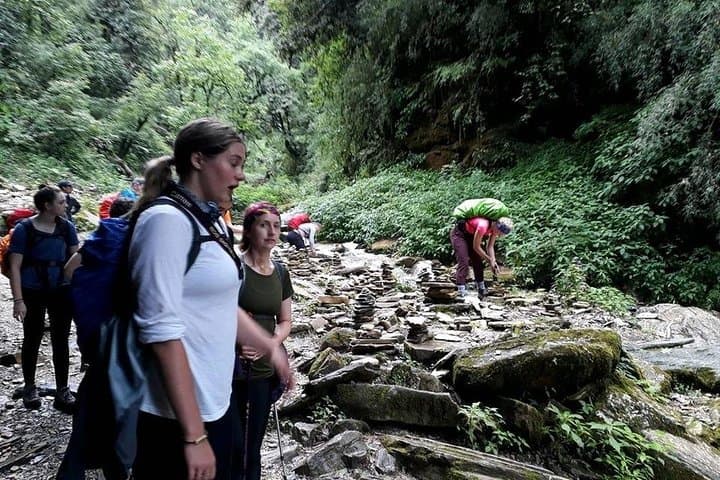
Expect varied terrain: well-worn stone staircases, river crossings on wooden bridges, and high alpine scree on the final approach. Hot springs at Jhinu Danda offer a soothing reward after long days, and side visits to Ghandruk or Australian Camp deepen cultural context with local songs and traditional architecture.
Practical edge: pace matters more than speed—plan for gradual ascent to allow acclimatization, carry layered clothing for rapid temperature swings, and budget for permits (ACAP and TIMS) and guide/porter support. Hydrate and boil or filter water; lodges supply simple meals and warm rooms but nights are cold above 3,000 m. The classic 11–12 day itinerary from Pokhara balances sightseeing and safe acclimatization, making the trek an achievable, high-reward Himalayan experience for prepared hikers.
challenging.
11–12 days.
Good cardiovascular fitness and ability to hike 4–7 hours a day with a daypack; previous multi‑day hiking experience is helpful.
Yes—trekkers need the Annapurna Conservation Area Permit (ACAP) and a TIMS card, which guides or operators typically arrange before departure.
Physically demanding due to daily elevation gain and altitude; first‑time multi‑day hikers can complete it with proper fitness training and a conservative pace.
Guides and porters are not mandatory but highly recommended for navigation, cultural interpretation and carrying heavy loads, especially at altitude.
Spring (March–May) and autumn (September–November) offer the most stable weather and clear mountain views; monsoon brings lush forests but more rain.
The Annapurna massif has long been home to Gurung and Magar communities whose terrace agriculture and trade routes shaped the valley; modern trekking expanded after ACAP formation in the 1980s.
ACAP enforces permits and waste rules to protect fragile ecosystems—minimize impact by carrying out trash, using refillable bottles and following teahouse guidelines.
Welcome Nepal Treks P.ltd operates guided outdoor trips and adventures with an emphasis on safety, stewardship, and memorable experiences.
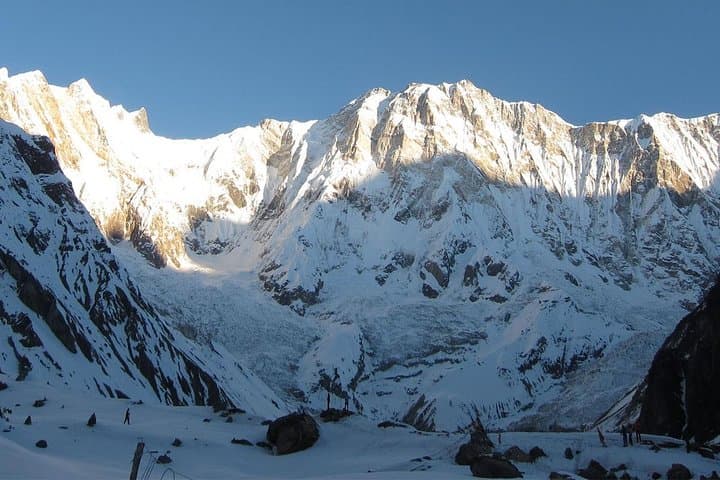
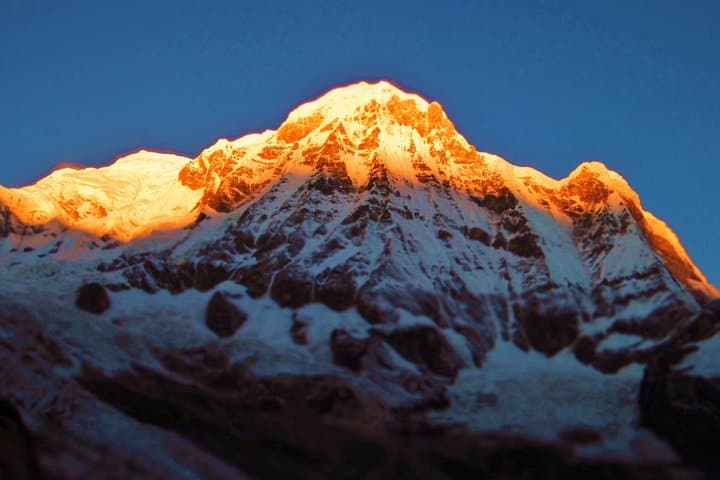
Morning sun pries at the ridge above Pokhara and the trail empties into a living map of stone, terraced fields and rattling rivers. You move uphill past village tea houses, through rhododendron forest that hums with birdsong, and into the thin, bright air at Annapurna Base Camp where icy shoulders of Annapurna I and Machhapuchhre loom close enough to touch.
Morning sun pries at the ridge above Pokhara and the trail empties into a living map of stone, terraced fields and rattling rivers. You move uphill past village tea houses, through rhododendron forest that hums with birdsong, and into the thin, bright air at Annapurna Base Camp where icy shoulders of Annapurna I and Machhapuchhre loom close enough to touch.
The route threads cultural history and geology: Gurung and Magar villages cling to steep terraces shaped by centuries of rice cultivation, while the Himalaya’s uplifted sedimentary layers and glaciers reveal the mountain-building forces that created this high world. ACAP (Annapurna Conservation Area Project) governs the valley and teahouses provide rustic shelter—no technical climbing is required, but altitude becomes the central challenge.
Expect varied terrain: well-worn stone staircases, river crossings on wooden bridges, and high alpine scree on the final approach. Hot springs at Jhinu Danda offer a soothing reward after long days, and side visits to Ghandruk or Australian Camp deepen cultural context with local songs and traditional architecture.
Practical edge: pace matters more than speed—plan for gradual ascent to allow acclimatization, carry layered clothing for rapid temperature swings, and budget for permits (ACAP and TIMS) and guide/porter support. Hydrate and boil or filter water; lodges supply simple meals and warm rooms but nights are cold above 3,000 m. The classic 11–12 day itinerary from Pokhara balances sightseeing and safe acclimatization, making the trek an achievable, high-reward Himalayan experience for prepared hikers.