THE ADVENTURE COLLECTIVE® · Independent discovery and booking for outdoor travel

Follow ancient mule tracks from Pokhara through rhododendron forests and traditional villages to stand beneath Annapurna I. This 12-day classic trek balances panoramic high-mountain views with teahouse logistics and essential acclimatization.
Follow ancient mule tracks from Pokhara through rhododendron forests and traditional villages to stand beneath Annapurna I. This 12-day classic trek balances panoramic high-mountain views with teahouse logistics and essential acclimatization.
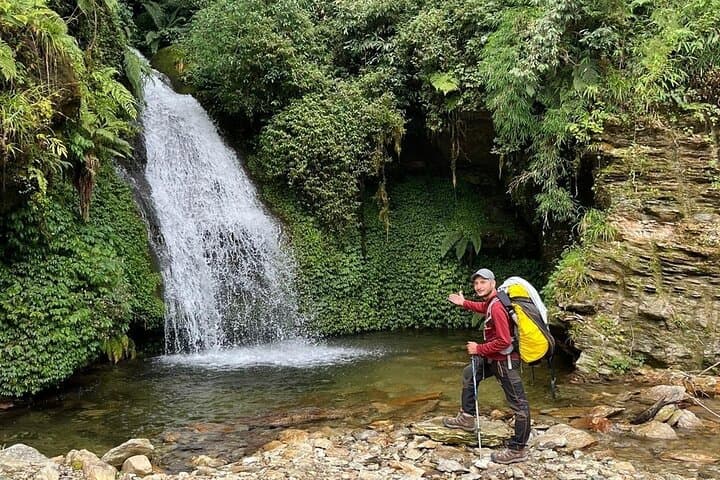
The trail opens with the noise of a busy Nepalese road and, within a day, settles into the steady rhythm of river crossings, stone steps and tea-house villages.
Verified experiences and guided adventures in the surrounding area.
Operated by Nepal Nirvana Trails · Pokhara, Gandaki Province
The trail opens with the noise of a busy Nepalese road and, within a day, settles into the steady rhythm of river crossings, stone steps and tea-house villages.
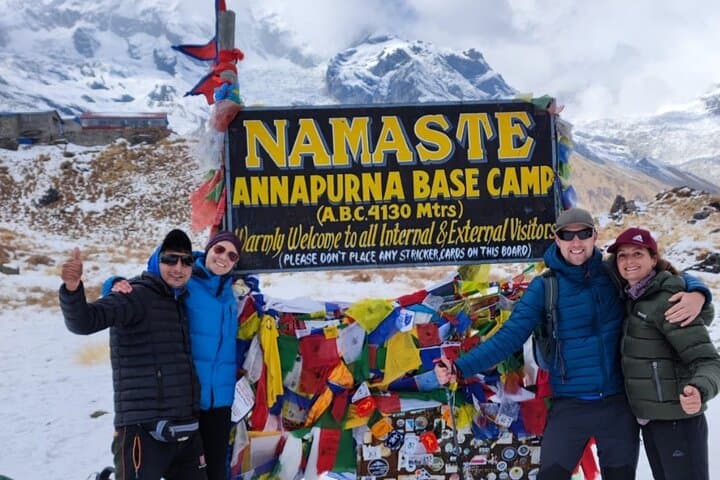
By the third morning the Modi Khola threads below you and rhododendron and oak forests press close; by day eight the amphitheatre of Annapurna I, Dhaulagiri and Machhapuchhre fills the horizon at Base Camp (4,130 m). This is a trek of gradual gain—long staircases, exposed moraines and high meadows—where the land often seems to push back with wind and altitude.
The route crosses traditional Gurung and Thakali settlements; local lodges (teahouses) have hosted pack-train traffic for generations and supply simple dal bhat and boiled water. Geologically, the Annapurna Massif is young Himalaya—steep flanks carved by glacial action and frequent landslide-prone gullies—so stick to established trails and bridges.
Practical essentials: the 12-day itinerary runs ~70–80 km round-trip from Nayapul with daily walking of 5–7 hours on average and one summit-style push to ABC. Permits (ACAP, TIMS) are required and commonly handled by operators. Altitude awareness is non-negotiable—schedule acclimatization, monitor symptoms, and descend if in doubt.
Footwear with aggressive tread, layered insulation for nights above 3,000 m, and a reliable water treatment plan matter more than luxuries. Start hikes early to avoid afternoon weather, carry cash for remote services, and expect basic amenities in high villages. For experienced trekkers seeking classic Himalayan exposure without technical climbing, the Annapurna Base Camp circuit delivers dramatic peaks, close-up glacial walls, and a tangible sense of place.
challenging.
12 days.
Good aerobic fitness with prior multi-day hiking experience; comfortable with 5–7 hour days at altitude.
Yes—ACAP and TIMS permits are required for the Annapurna Conservation Area; reputable operators usually arrange them before departure.
ABC sits around 4,130 m; altitude sickness is a real risk—ascend slowly, stay hydrated, and descend immediately if severe symptoms appear.
Teahouses offer basic private rooms and shared bathrooms; hot showers and charging are often available for a fee, becoming simpler at higher elevations.
No technical climbing skills are required—the route is a high-altitude trek with long ascents and exposed sections, but no ropes or crampons for standard seasons.
The trail follows historical trade and village routes used by Gurung and Thakali communities connecting high pasturelands to Pokhara.
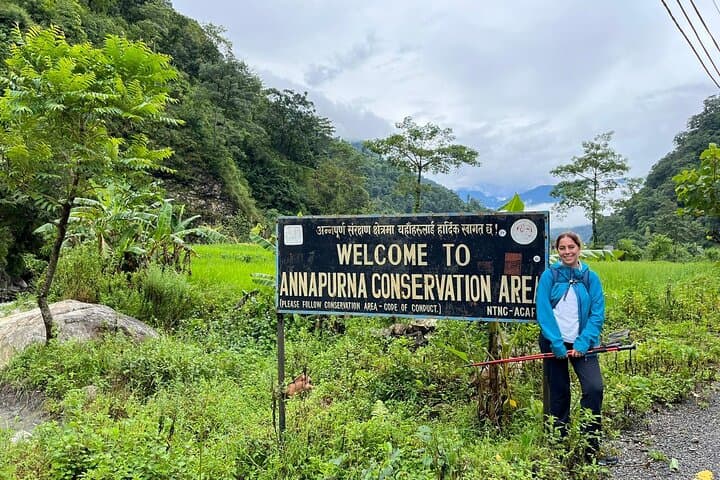
The Annapurna Conservation Area Project (ACAP) manages permits and waste programs; stick to marked trails, pack out plastics, and use local waste disposal where available.
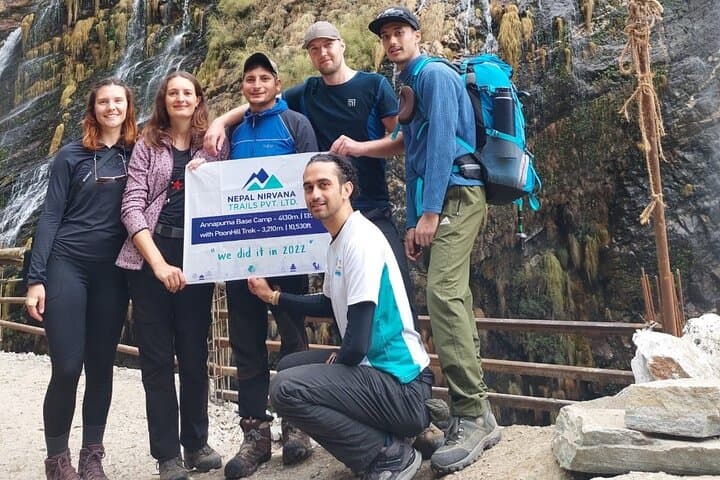
Nepal Nirvana Trails operates guided outdoor trips and adventures with an emphasis on safety, stewardship, and memorable experiences.
The trail opens with the noise of a busy Nepalese road and, within a day, settles into the steady rhythm of river crossings, stone steps and tea-house villages.
The trail opens with the noise of a busy Nepalese road and, within a day, settles into the steady rhythm of river crossings, stone steps and tea-house villages.
By the third morning the Modi Khola threads below you and rhododendron and oak forests press close; by day eight the amphitheatre of Annapurna I, Dhaulagiri and Machhapuchhre fills the horizon at Base Camp (4,130 m). This is a trek of gradual gain—long staircases, exposed moraines and high meadows—where the land often seems to push back with wind and altitude.
The route crosses traditional Gurung and Thakali settlements; local lodges (teahouses) have hosted pack-train traffic for generations and supply simple dal bhat and boiled water. Geologically, the Annapurna Massif is young Himalaya—steep flanks carved by glacial action and frequent landslide-prone gullies—so stick to established trails and bridges.
Practical essentials: the 12-day itinerary runs ~70–80 km round-trip from Nayapul with daily walking of 5–7 hours on average and one summit-style push to ABC. Permits (ACAP, TIMS) are required and commonly handled by operators. Altitude awareness is non-negotiable—schedule acclimatization, monitor symptoms, and descend if in doubt.
Footwear with aggressive tread, layered insulation for nights above 3,000 m, and a reliable water treatment plan matter more than luxuries. Start hikes early to avoid afternoon weather, carry cash for remote services, and expect basic amenities in high villages. For experienced trekkers seeking classic Himalayan exposure without technical climbing, the Annapurna Base Camp circuit delivers dramatic peaks, close-up glacial walls, and a tangible sense of place.