THE ADVENTURE COLLECTIVE® · Independent discovery and booking for outdoor travel

An 11-day trek from Pokhara to Annapurna Base Camp traverses rhododendron forests, high alpine moraine, and Gurung villages. Plan for steep stone staircases, teahouse nights, and altitude-aware pacing to reach the 4,130 m amphitheater at Base Camp.
An 11-day trek from Pokhara to Annapurna Base Camp traverses rhododendron forests, high alpine moraine, and Gurung villages. Plan for steep stone staircases, teahouse nights, and altitude-aware pacing to reach the 4,130 m amphitheater at Base Camp.
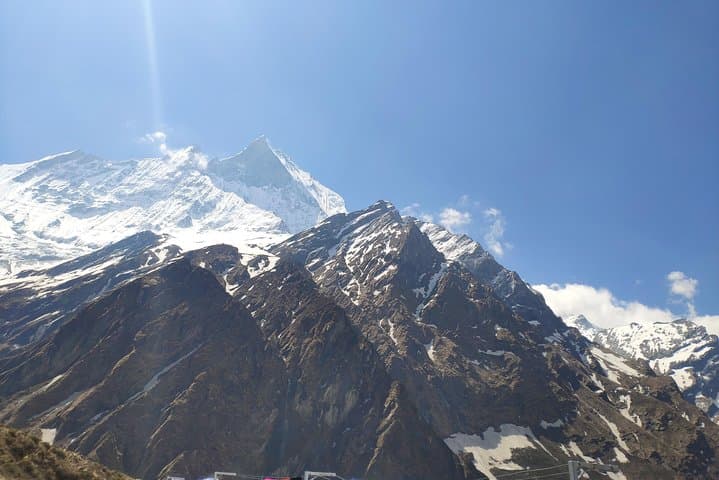
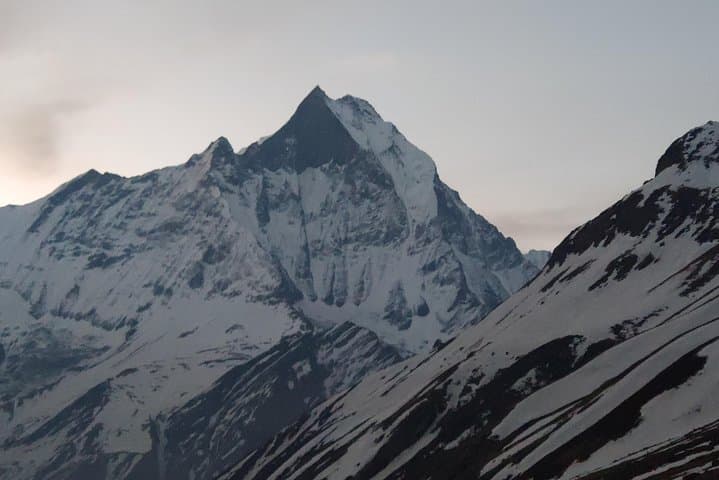
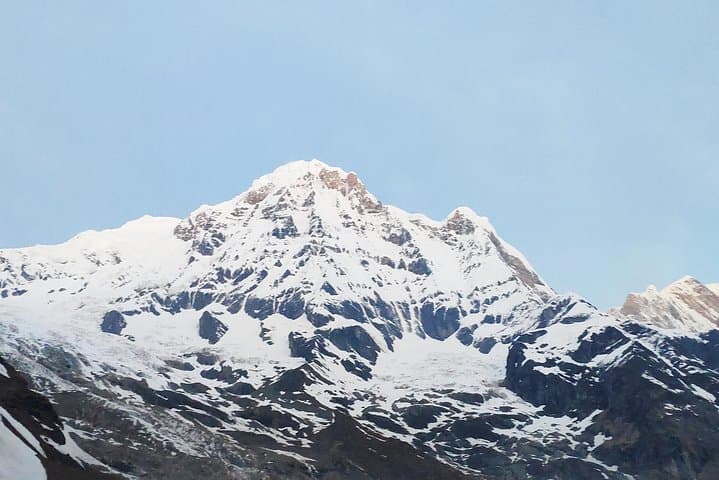
You set off before dawn from Pokhara, the road slipping behind the bus like a ribbon of lowland memory. The valley opens and the trail starts to climb: terraced rice fields give way to forested gullies, rhododendron pushing color into the understory. By day four, stone staircases and river crossings have sharpened your step; by day six the air thins and Annapurna’s glacier-polished face looms, demanding attention.
Verified experiences and guided adventures in the surrounding area.
Operated by Alpine Mountain Trek Advisor · Pokhara, Gandaki Province
You set off before dawn from Pokhara, the road slipping behind the bus like a ribbon of lowland memory. The valley opens and the trail starts to climb: terraced rice fields give way to forested gullies, rhododendron pushing color into the understory. By day four, stone staircases and river crossings have sharpened your step; by day six the air thins and Annapurna’s glacier-polished face looms, demanding attention.
This route threads local Gurung villages—Ghandruk is a living museum of military history and agrarian life—and runs through the Annapurna Conservation Area, Nepal’s first and largest conservation buffer created to manage trekking impacts and protect rare alpine ecology. The geology is a study in contrasts: river-cut valleys of younger sedimentary rock below, metamorphic ridgelines and glacial moraine around Base Camp that show how ice once carved the amphitheater you sleep in.
Expect rustic teahouses and lodge beds rather than luxury; culture is immediate—people, yaks, and prayer flags intersect daily life. Weather can swing quickly; the mountains often move like a living audience, clouding then revealing summits.
Practical guidance: pace yourself for altitude—allow two nights to acclimatize above 2,500 m and watch for symptoms. Pack a durable pair of mid-weight insulated boots, layered clothing, and water treatment. Plan for 4–7 hours of hiking on most days with steeper sections of stone steps; carry low-denomination Nepali rupees for teahouse snacks. Take a day for Jhinu’s hot springs on the return to ease tired legs. With sensible pacing and respect for local customs, this eleven-day trek delivers close-up alpine theater and a clear-eyed appreciation of Himalayan life.
challenging.
11 days.
Good aerobic fitness; able to hike 4–7 hours/day on uneven terrain and manage altitude changes
Yes—TIMS (Trekkers’ Information Management System) and an Annapurna Conservation Area Permit (ACAP) are required and typically obtained in Pokhara.
Base Camp sits at about 4,130 m (13,549 ft); danger is minimal with proper acclimatization but altitude illness can occur—know the symptoms and descend if they worsen.
This itinerary uses guesthouses/teahouses and basic lodges along the route; expect simple rooms and communal bathrooms in many stops.
Autumn (Sep–Nov) offers the most stable weather and clear views; spring brings rhododendron blooms but can be busier.
The Annapurna Conservation Area, established in the late 1980s, blends community-led tourism with protected landscapes; many Gurung villages here contributed soldiers to the British and Indian armies.
Stick to marked trails, minimize single-use plastics, and use teahouse waste facilities; supporting local lodges and porters helps fund conservation and community livelihoods.
Alpine Mountain Trek Advisor operates guided outdoor trips and adventures with an emphasis on safety, stewardship, and memorable experiences.
You set off before dawn from Pokhara, the road slipping behind the bus like a ribbon of lowland memory. The valley opens and the trail starts to climb: terraced rice fields give way to forested gullies, rhododendron pushing color into the understory. By day four, stone staircases and river crossings have sharpened your step; by day six the air thins and Annapurna’s glacier-polished face looms, demanding attention.
You set off before dawn from Pokhara, the road slipping behind the bus like a ribbon of lowland memory. The valley opens and the trail starts to climb: terraced rice fields give way to forested gullies, rhododendron pushing color into the understory. By day four, stone staircases and river crossings have sharpened your step; by day six the air thins and Annapurna’s glacier-polished face looms, demanding attention.
This route threads local Gurung villages—Ghandruk is a living museum of military history and agrarian life—and runs through the Annapurna Conservation Area, Nepal’s first and largest conservation buffer created to manage trekking impacts and protect rare alpine ecology. The geology is a study in contrasts: river-cut valleys of younger sedimentary rock below, metamorphic ridgelines and glacial moraine around Base Camp that show how ice once carved the amphitheater you sleep in.
Expect rustic teahouses and lodge beds rather than luxury; culture is immediate—people, yaks, and prayer flags intersect daily life. Weather can swing quickly; the mountains often move like a living audience, clouding then revealing summits.
Practical guidance: pace yourself for altitude—allow two nights to acclimatize above 2,500 m and watch for symptoms. Pack a durable pair of mid-weight insulated boots, layered clothing, and water treatment. Plan for 4–7 hours of hiking on most days with steeper sections of stone steps; carry low-denomination Nepali rupees for teahouse snacks. Take a day for Jhinu’s hot springs on the return to ease tired legs. With sensible pacing and respect for local customs, this eleven-day trek delivers close-up alpine theater and a clear-eyed appreciation of Himalayan life.