THE ADVENTURE COLLECTIVE® · Independent discovery and booking for outdoor travel

An 11‑day classic through the Annapurna Sanctuary, this trek climbs stone stairways and moraine trails to a 4,130 m alpine bowl surrounded by the Annapurna massif. Expect teahouse nights, a sunrise at Poon Hill, and a soak in Jhinu hot springs.
An 11‑day classic through the Annapurna Sanctuary, this trek climbs stone stairways and moraine trails to a 4,130 m alpine bowl surrounded by the Annapurna massif. Expect teahouse nights, a sunrise at Poon Hill, and a soak in Jhinu hot springs.
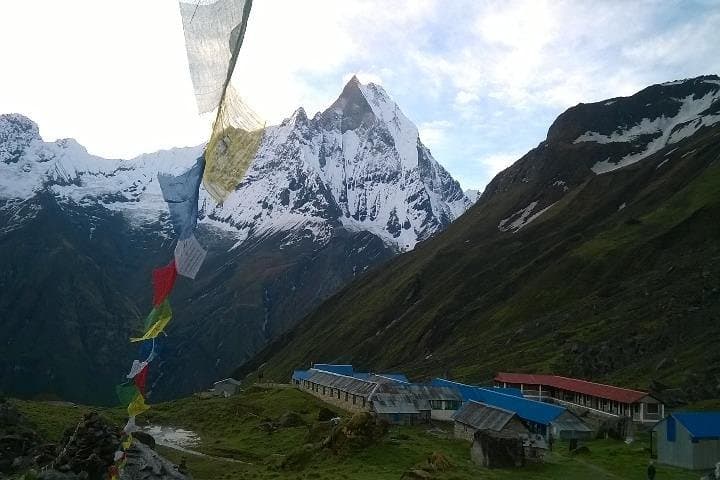
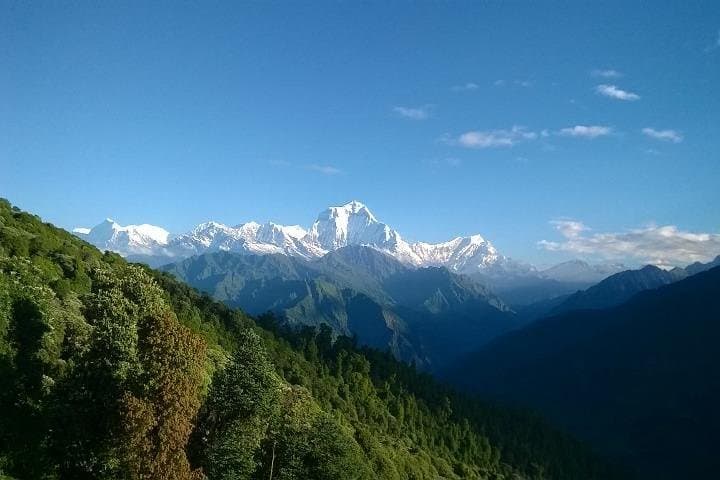
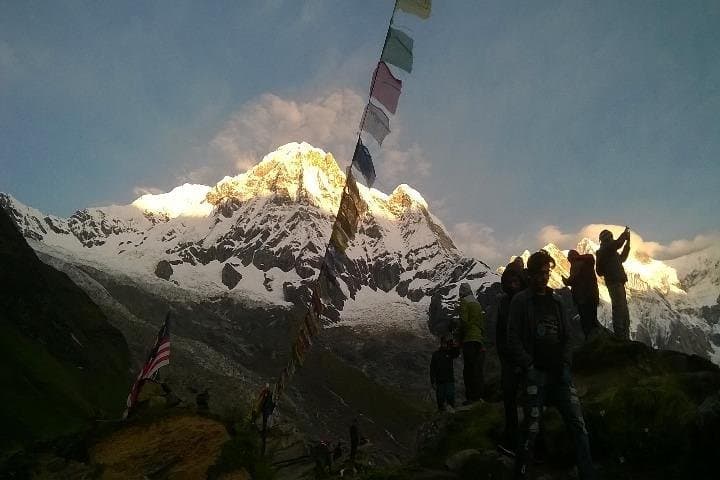
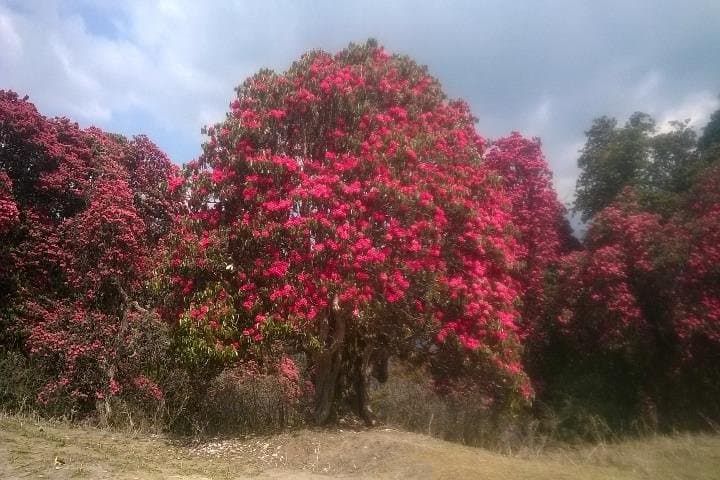
Before sunrise on Poon Hill, headlamps bob along stone steps and the air tastes of wood smoke and boiled tea. The trail moves through thick rhododendron forest, across suspension bridges over the Modi Khola, and up moraine paths that open to a ring of 7,000‑meter peaks—the Annapurna massif looming above the valley.
Verified experiences and guided adventures in the surrounding area.
Operated by Base Camp Adventure Pvt. Ltd. · Pokhara, Gandaki Province
Before sunrise on Poon Hill, headlamps bob along stone steps and the air tastes of wood smoke and boiled tea. The trail moves through thick rhododendron forest, across suspension bridges over the Modi Khola, and up moraine paths that open to a ring of 7,000‑meter peaks—the Annapurna massif looming above the valley.
This route threads cultural villages of Gurung and Magar communities, teahouse economies, and trails carved from centuries of shepherding and trade. Geologically the sanctuary is a glacial amphitheater: moraines, polished bedrock and sharp ridgelines mark repeated ice advance and retreat, while terraces below show the human imprint of mountain agriculture.
Expect 11 days of walking with typical daily stages of 4–7 hours; the itinerary gains from roughly 1,000 m in the low valleys to Annapurna Base Camp at about 4,130 m. Terrain alternates stone staircases, packed dirt, forested tracks and exposed scree on final approach. Key highlights: sunrise from Poon Hill (3,210 m), Machhapuchhre Base Camp, and the hot spring at Jhinu Danda for a post‑trek soak.
Practical guidance: acclimatize gradually—allow Poon Hill and Ghorepani as stepping stones; carry layers for sub‑freezing nights and a reliable waterproof shell; use a guide or porter if you want to move lighter. Permits (ACAP, TIMS) are required, and water treatment plus good boots and trekking poles significantly reduce discomfort. Respect teahouse etiquette, pack out plastic when possible, and plan extra days if weather or acclimatization delays you.
challenging.
11 days.
Requires good aerobic fitness and the ability to hike 4–7 hours a day over steep, uneven terrain; prior multi‑day hiking experience recommended.
Yes—Annapurna Conservation Area Permit (ACAP) and a TIMS card are required; guides typically arrange these before departure.
Spring (March–May) and autumn (September–November) offer the most stable weather and clear views; winter is colder and summer brings monsoon rains and slippery trails.
Not strictly, but hiring a licensed guide and/or porter improves safety, navigation, and comfort—especially for altitude management and logistics.
Ascend slowly, hydrate, avoid alcohol, know symptoms (headache, nausea, dizziness), and descend immediately if symptoms worsen; carrying acetazolamide can be discussed with a physician.
The Annapurna Sanctuary was historically a grazing and pilgrimage landscape for local Gurung and Magar communities; trekking opened here widely in the late 20th century and has since driven community tourism.
The Annapurna Conservation Area manages permits and promotes community‑based tourism; trekkers should minimize waste, avoid single‑use plastics, and support local lodges.
Base Camp Adventure Pvt. Ltd. operates guided outdoor trips and adventures with an emphasis on safety, stewardship, and memorable experiences.
Before sunrise on Poon Hill, headlamps bob along stone steps and the air tastes of wood smoke and boiled tea. The trail moves through thick rhododendron forest, across suspension bridges over the Modi Khola, and up moraine paths that open to a ring of 7,000‑meter peaks—the Annapurna massif looming above the valley.
Before sunrise on Poon Hill, headlamps bob along stone steps and the air tastes of wood smoke and boiled tea. The trail moves through thick rhododendron forest, across suspension bridges over the Modi Khola, and up moraine paths that open to a ring of 7,000‑meter peaks—the Annapurna massif looming above the valley.
This route threads cultural villages of Gurung and Magar communities, teahouse economies, and trails carved from centuries of shepherding and trade. Geologically the sanctuary is a glacial amphitheater: moraines, polished bedrock and sharp ridgelines mark repeated ice advance and retreat, while terraces below show the human imprint of mountain agriculture.
Expect 11 days of walking with typical daily stages of 4–7 hours; the itinerary gains from roughly 1,000 m in the low valleys to Annapurna Base Camp at about 4,130 m. Terrain alternates stone staircases, packed dirt, forested tracks and exposed scree on final approach. Key highlights: sunrise from Poon Hill (3,210 m), Machhapuchhre Base Camp, and the hot spring at Jhinu Danda for a post‑trek soak.
Practical guidance: acclimatize gradually—allow Poon Hill and Ghorepani as stepping stones; carry layers for sub‑freezing nights and a reliable waterproof shell; use a guide or porter if you want to move lighter. Permits (ACAP, TIMS) are required, and water treatment plus good boots and trekking poles significantly reduce discomfort. Respect teahouse etiquette, pack out plastic when possible, and plan extra days if weather or acclimatization delays you.