THE ADVENTURE COLLECTIVE® · Independent discovery and booking for outdoor travel

A 10-day teahouse trek that climbs to Annapurna Base Camp (4,130 m) through rhododendron forests, traditional Gurung villages, and glacier-fed streams. Practical, scenic, and steeped in local culture—ideal for trekkers with moderate fitness.
A 10-day teahouse trek that climbs to Annapurna Base Camp (4,130 m) through rhododendron forests, traditional Gurung villages, and glacier-fed streams. Practical, scenic, and steeped in local culture—ideal for trekkers with moderate fitness.
You leave Kathmandu behind as the city’s dust gives way to terraced hills and the steady swell of the Himalaya on the horizon.
Verified experiences and guided adventures in the surrounding area.
Operated by Guru Travels | 1st Public Limited Travel In Nepal · Pokhara, Gandaki Province
You leave Kathmandu behind as the city’s dust gives way to terraced hills and the steady swell of the Himalaya on the horizon.
The first real mountain breath comes in Pokhara—Fewa Lake’s mirror and the last lowland comfort before the trail climbs. Over ten days you follow rivers, cross suspension bridges, and rise through rhododendron and bamboo into the Modi Khola gorge, arriving finally at Annapurna Base Camp (4,130 m) with Machhapuchhre (Fishtail) and Annapurna I towering around you.
The route runs through the Annapurna Conservation Area, an early model for community-based conservation in Nepal, and through Gurung and Magar villages where teahouses provide simple food and a window into highland life. Geologically, the trail traces the frontal thrusts of the Himalaya—steep valley walls, glacially-fed streams, and moraine-lined bowls that funnel snow and weather toward the sanctuary.
Expect variable terrain: stone staircases, rooty forest paths, riverbeds, and alpine scree near Deurali and MBC. Mornings are cold and clear; afternoons can cloud in fast. Acclimatize sensibly—drink, pace, and watch for headache or nausea.
Practical guidance: pack layered insulation, waterproof shell, solid trekking boots, and a 35–45L day pack. Bring cash—teahouses accept little else—and spare battery power; charging is limited. Start days early for stable weather and quieter trails. Guides and porters reduce logistic strain and speed acclimatization decisions. Permits (ACAP and TIMS) are required—carry copies.
This is a moderate, high-reward Himalayan trek: vivid mountain views, living culture, and a teahouse network that makes multi-day travel accessible without heavy camping gear.
moderate.
10 days.
Moderate fitness—regular cardio and leg-strength training recommended for sustained ascents and long days.
Yes—an Annapurna Conservation Area Permit (ACAP) and a TIMS card are required; guides usually arrange these before the trek.
The trek is moderate in technical difficulty but reaches 4,130 m; proper acclimatization, pacing, and hydration are essential to reduce altitude illness risk.
Overnight stays are in teahouses/lodges with twin rooms and shared bathrooms; expect basic facilities, hot meals, and limited charging options.
A guide improves navigation, cultural interpretation, and safety; porters ease the load. Both are recommended—especially for first-time trekkers.
The Annapurna Conservation Area, established in 1986, combines community stewardship with conservation across traditional Gurung and Magar lands.
Stick to marked trails, avoid single-use plastics, and support registered teahouses to minimize impact and support local conservation efforts.
Guru Travels | 1st Public Limited Travel In Nepal operates guided outdoor trips and adventures with an emphasis on safety, stewardship, and memorable experiences.
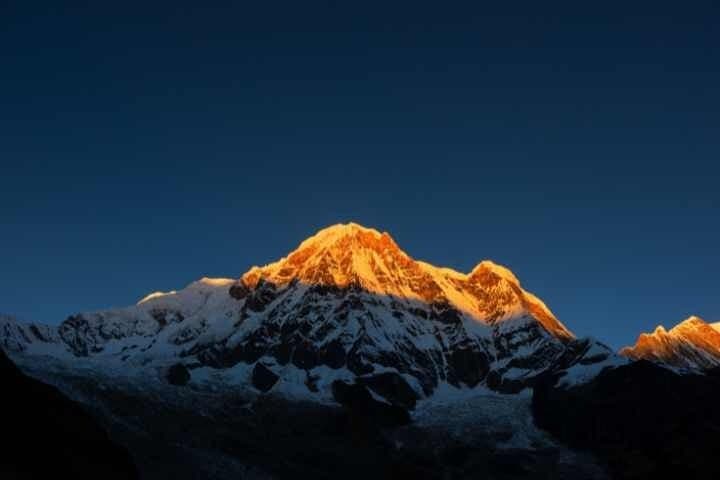


You leave Kathmandu behind as the city’s dust gives way to terraced hills and the steady swell of the Himalaya on the horizon.
You leave Kathmandu behind as the city’s dust gives way to terraced hills and the steady swell of the Himalaya on the horizon.
The first real mountain breath comes in Pokhara—Fewa Lake’s mirror and the last lowland comfort before the trail climbs. Over ten days you follow rivers, cross suspension bridges, and rise through rhododendron and bamboo into the Modi Khola gorge, arriving finally at Annapurna Base Camp (4,130 m) with Machhapuchhre (Fishtail) and Annapurna I towering around you.
The route runs through the Annapurna Conservation Area, an early model for community-based conservation in Nepal, and through Gurung and Magar villages where teahouses provide simple food and a window into highland life. Geologically, the trail traces the frontal thrusts of the Himalaya—steep valley walls, glacially-fed streams, and moraine-lined bowls that funnel snow and weather toward the sanctuary.
Expect variable terrain: stone staircases, rooty forest paths, riverbeds, and alpine scree near Deurali and MBC. Mornings are cold and clear; afternoons can cloud in fast. Acclimatize sensibly—drink, pace, and watch for headache or nausea.
Practical guidance: pack layered insulation, waterproof shell, solid trekking boots, and a 35–45L day pack. Bring cash—teahouses accept little else—and spare battery power; charging is limited. Start days early for stable weather and quieter trails. Guides and porters reduce logistic strain and speed acclimatization decisions. Permits (ACAP and TIMS) are required—carry copies.
This is a moderate, high-reward Himalayan trek: vivid mountain views, living culture, and a teahouse network that makes multi-day travel accessible without heavy camping gear.