THE ADVENTURE COLLECTIVE® · Independent discovery and booking for outdoor travel

A 10-day trek that climbs from Pokhara’s lowlands into the heart of the Annapurna Sanctuary, finishing at Annapurna Base Camp (4,130 m). Expect tea-house nights, steep stone steps, high alpine views and Gurung village culture along the way.
A 10-day trek that climbs from Pokhara’s lowlands into the heart of the Annapurna Sanctuary, finishing at Annapurna Base Camp (4,130 m). Expect tea-house nights, steep stone steps, high alpine views and Gurung village culture along the way.
You step off the jeep in Nayapul and the air immediately feels different—thinner, scented with wet earth and wood smoke. The trail climbs through terraced fields, rhododendron thickets and bamboo until stone steps push you higher; the mountains close in like a ring of cold sentries. By day seven the amphitheatre of granite and snow at Annapurna Base Camp (4,130 m) fills your view, Machhapuchhre’s Fishtail jutting like a deliberate blade above the camp.
Verified experiences and guided adventures in the surrounding area.
Operated by Nepal Himalayan Hiker (P) Ltd. · Pokhara, Gandaki Province
You step off the jeep in Nayapul and the air immediately feels different—thinner, scented with wet earth and wood smoke. The trail climbs through terraced fields, rhododendron thickets and bamboo until stone steps push you higher; the mountains close in like a ring of cold sentries. By day seven the amphitheatre of granite and snow at Annapurna Base Camp (4,130 m) fills your view, Machhapuchhre’s Fishtail jutting like a deliberate blade above the camp.
The route traces old mule tracks and Gurung villages, communities who have guided strangers through these passes for generations. Geologically this is a young landscape: uplifted Himalaya flanks, glacial moraines and steep river gorges carved by the Modi Khola. Cultural touchstones—Ghandruk’s stone houses, mani walls and local temples—anchor the hike in centuries of hill farming and Tibetan-influenced trade.
Expect varied terrain: packed trail, rough stone steps, occasional scree and a final approach across moraine to the base camp amphitheatre. Accommodation is tea-house style; meals are cooked by locals and charging or Wi‑Fi often costs extra. Plan for altitude—Poon Hill or Deurali days help with acclimatization.
Practical guidance: secure an Annapurna Conservation Area Permit (ACAP) and TIMS before or in Pokhara, carry a warm sleeping liner, and bring layers for sub-zero nights. Hydrate and pace your ascent to lower altitude-sickness risk; many hikers add a rest or acclimatization day if symptoms appear. Respect local customs and trail etiquette, tip guides and porters fairly, and be ready to exchange city convenience for raw mountain time: the payoff is high-angle views, close-up glaciers and the real pulse of the Annapurna sanctuary.
challenging.
9–10 days.
Suitable for hikers comfortable with sustained uphill days, carrying a daypack and spending consecutive days at 3,000–4,100 m; basic cardiovascular fitness and prior multi-day hiking experience recommended.
Yes—an Annapurna Conservation Area Permit (ACAP) and TIMS card are required and can be obtained in Pokhara or at the trailhead with valid ID.
The final ascent to ABC is steep and long but non-technical; expect 4–7 hours from Deurali with altitude and rocky moraine near the end.
Yes—tea-house accommodation is the norm along this route, offering basic rooms and cooked meals; amenities vary and hot showers or charging usually cost extra.
Acute mountain sickness can occur above 2,500–3,000 m; ascend slowly, hydrate, and descend if symptoms worsen—carry medication only under doctor guidance.
The trail passes Gurung villages that long served as trade and shepherding routes into the Annapurna Sanctuary; the region is managed under the Annapurna Conservation Area established in the 1980s.
The Annapurna Conservation Area Program (ACAP) works with villages to manage tourism impacts—reduce waste, avoid single-use plastics and support local tea houses to keep revenue in communities.
Nepal Himalayan Hiker (P) Ltd. operates guided outdoor trips and adventures with an emphasis on safety, stewardship, and memorable experiences.
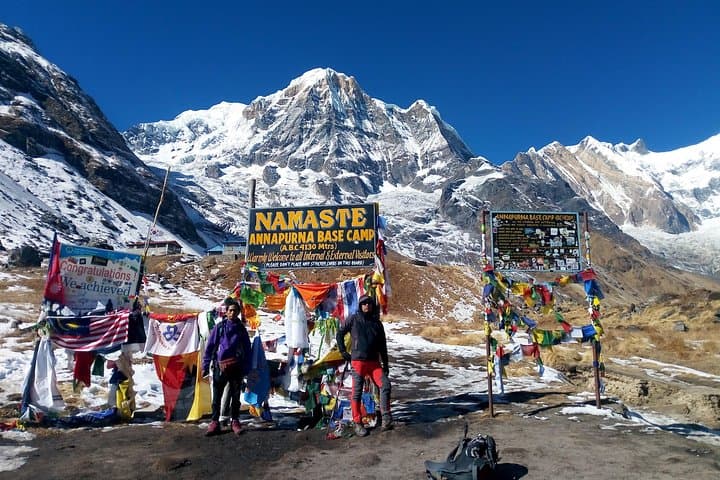
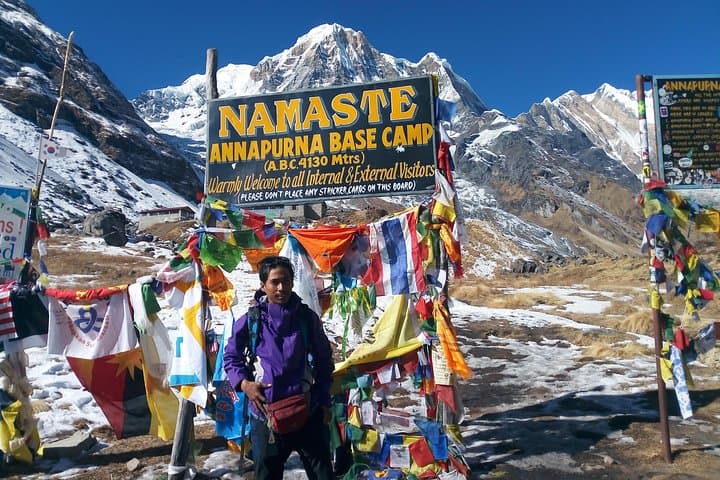
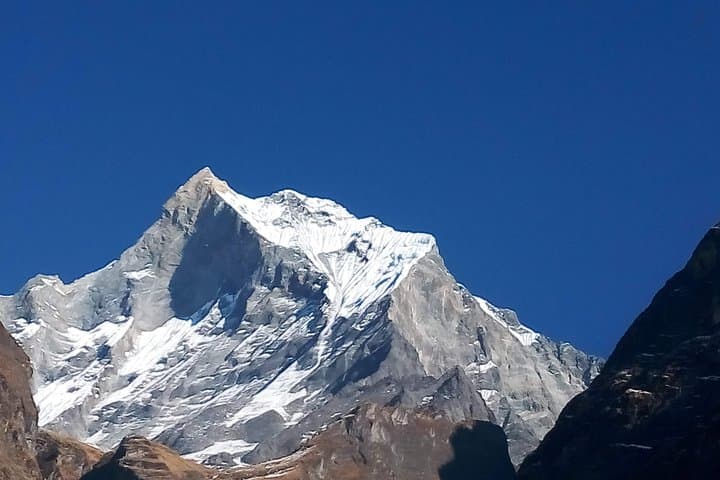
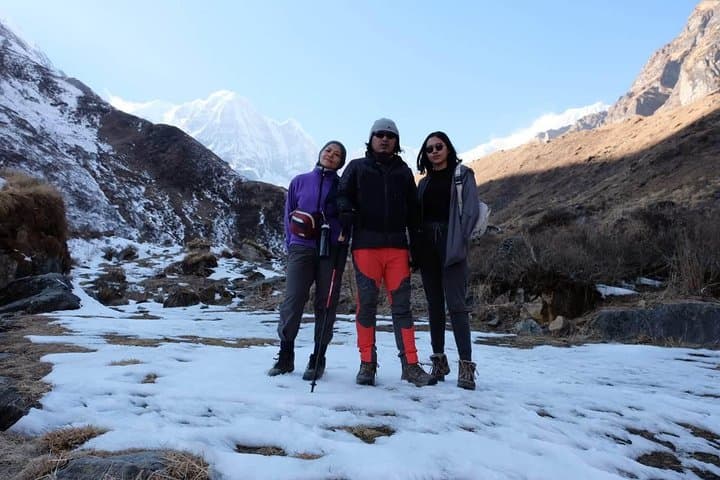
You step off the jeep in Nayapul and the air immediately feels different—thinner, scented with wet earth and wood smoke. The trail climbs through terraced fields, rhododendron thickets and bamboo until stone steps push you higher; the mountains close in like a ring of cold sentries. By day seven the amphitheatre of granite and snow at Annapurna Base Camp (4,130 m) fills your view, Machhapuchhre’s Fishtail jutting like a deliberate blade above the camp.
You step off the jeep in Nayapul and the air immediately feels different—thinner, scented with wet earth and wood smoke. The trail climbs through terraced fields, rhododendron thickets and bamboo until stone steps push you higher; the mountains close in like a ring of cold sentries. By day seven the amphitheatre of granite and snow at Annapurna Base Camp (4,130 m) fills your view, Machhapuchhre’s Fishtail jutting like a deliberate blade above the camp.
The route traces old mule tracks and Gurung villages, communities who have guided strangers through these passes for generations. Geologically this is a young landscape: uplifted Himalaya flanks, glacial moraines and steep river gorges carved by the Modi Khola. Cultural touchstones—Ghandruk’s stone houses, mani walls and local temples—anchor the hike in centuries of hill farming and Tibetan-influenced trade.
Expect varied terrain: packed trail, rough stone steps, occasional scree and a final approach across moraine to the base camp amphitheatre. Accommodation is tea-house style; meals are cooked by locals and charging or Wi‑Fi often costs extra. Plan for altitude—Poon Hill or Deurali days help with acclimatization.
Practical guidance: secure an Annapurna Conservation Area Permit (ACAP) and TIMS before or in Pokhara, carry a warm sleeping liner, and bring layers for sub-zero nights. Hydrate and pace your ascent to lower altitude-sickness risk; many hikers add a rest or acclimatization day if symptoms appear. Respect local customs and trail etiquette, tip guides and porters fairly, and be ready to exchange city convenience for raw mountain time: the payoff is high-angle views, close-up glaciers and the real pulse of the Annapurna sanctuary.