THE ADVENTURE COLLECTIVE® · Independent discovery and booking for outdoor travel

A classic 10–11 day trek from Pokhara into the Annapurna Sanctuary, this route climbs forested trails and stone steps to a dramatic high-camp at 4,130 m. Expect teahouse nights, Gurung villages, and daily elevation gains that require steady pacing and basic altitude awareness.
A classic 10–11 day trek from Pokhara into the Annapurna Sanctuary, this route climbs forested trails and stone steps to a dramatic high-camp at 4,130 m. Expect teahouse nights, Gurung villages, and daily elevation gains that require steady pacing and basic altitude awareness.
Morning light slices the Annapurna range into planes of granite and snow as you step out of a teahouse in Chomrong. The trail climbs in a steady rhythm—stone steps, rhododendron forests, river crossings that dare you to slow—and opens suddenly onto the amphitheater of Annapurna Base Camp, where Machapuchhre’s curved peak watches like a careful neighbor.
Verified experiences and guided adventures in the surrounding area.
Operated by Overland Trek Nepal · Pokhara, Gandaki Province
Morning light slices the Annapurna range into planes of granite and snow as you step out of a teahouse in Chomrong. The trail climbs in a steady rhythm—stone steps, rhododendron forests, river crossings that dare you to slow—and opens suddenly onto the amphitheater of Annapurna Base Camp, where Machapuchhre’s curved peak watches like a careful neighbor.
This route threads through the Annapurna Conservation Area, established in the late 1980s to protect high-altitude ecosystems and the livelihoods of Gurung and Magar communities. Geology here is raw: uplifted metamorphic rock and glacial moraine shaped by recent Himalayan orogeny, which creates sharp ridges, hanging valleys and predictable afternoon cloud buildups.
Culturally, villages such as Ghandruk offer a glimpse of Gurung hospitality—stone houses, prayer flags, and local cuisine served over steaming dal bhat. Along the way, hot springs at Jhinu Danda provide a warming reward after several days on the trail.
Practical guidance: the full program runs about 10–11 days from Pokhara with teahouse accommodation; expect 1,200–1,900 m climbs on consecutive days and a highest overnight at ~4,130 m (ABC). Pace for acclimatization: move deliberately, hydrate, and watch for mild altitude symptoms. Footwear with solid ankle support and reliable tread is essential; trekking poles reduce knee strain on long descents. Weather shifts quickly—start early to avoid afternoon storms and carry a warm layer for high camp.
The trek is both silhouette and habit: it asks for steady legs and respectful footsteps, and yields close-range peaks, village culture, and the quiet authority of the high Himalaya.
challenging.
10–11 days.
Good aerobic fitness and strong hiking legs; ability to carry a daypack and walk 5–8 hours on steep, uneven terrain for consecutive days.
No technical mountaineering experience is required, but prior multi-day trekking and good cardiovascular fitness help with consecutive uphill days and altitude.
You must carry a TIMS card and an Annapurna Conservation Area Permit (ACAP); your operator typically handles these before the trek.
Yes—teahouses provide shared rooms, simple meals (dal bhat, soups) and sometimes limited hot showers for a fee; bring a sleeping liner for hygiene.
Clear mornings with potential afternoon cloud buildup; spring and autumn offer the most stable conditions, while monsoon brings heavy rain and winter brings snow at higher altitudes.
The trail passes through Gurung and Magar villages long connected to trans-Himalayan trade and pastoralism; the Annapurna Conservation Area was formed to balance tourism with traditional livelihoods.
Respect ACAP rules: dispose of waste at designated points, minimize single-use plastics, and support registered teahouses that follow local waste management practices.
Overland Trek Nepal operates guided outdoor trips and adventures with an emphasis on safety, stewardship, and memorable experiences.
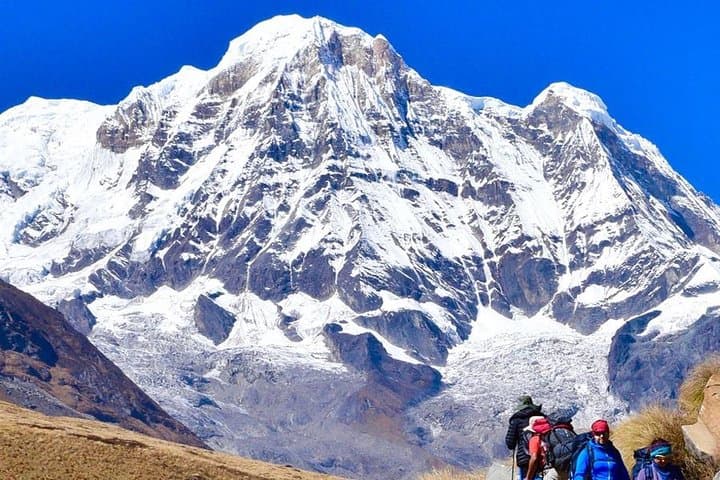
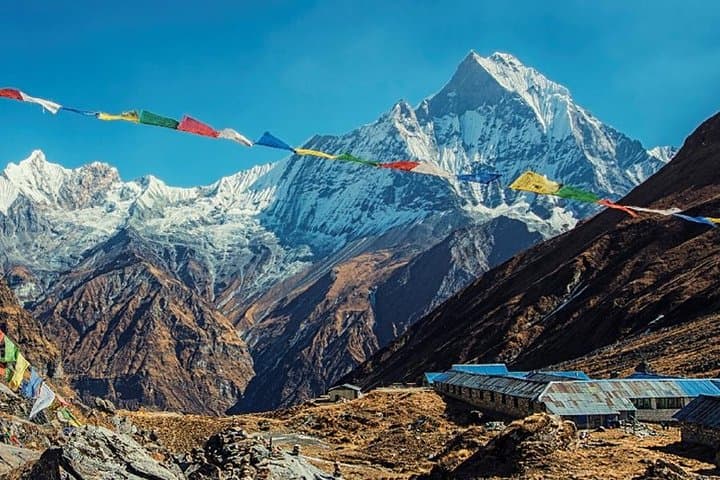
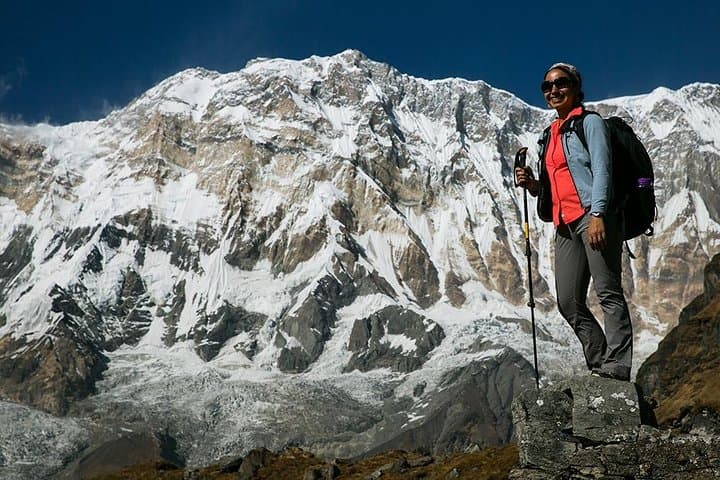
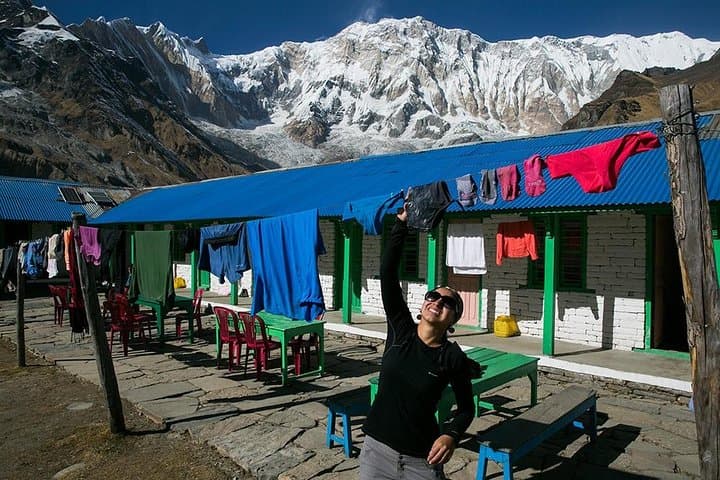
Morning light slices the Annapurna range into planes of granite and snow as you step out of a teahouse in Chomrong. The trail climbs in a steady rhythm—stone steps, rhododendron forests, river crossings that dare you to slow—and opens suddenly onto the amphitheater of Annapurna Base Camp, where Machapuchhre’s curved peak watches like a careful neighbor.
Morning light slices the Annapurna range into planes of granite and snow as you step out of a teahouse in Chomrong. The trail climbs in a steady rhythm—stone steps, rhododendron forests, river crossings that dare you to slow—and opens suddenly onto the amphitheater of Annapurna Base Camp, where Machapuchhre’s curved peak watches like a careful neighbor.
This route threads through the Annapurna Conservation Area, established in the late 1980s to protect high-altitude ecosystems and the livelihoods of Gurung and Magar communities. Geology here is raw: uplifted metamorphic rock and glacial moraine shaped by recent Himalayan orogeny, which creates sharp ridges, hanging valleys and predictable afternoon cloud buildups.
Culturally, villages such as Ghandruk offer a glimpse of Gurung hospitality—stone houses, prayer flags, and local cuisine served over steaming dal bhat. Along the way, hot springs at Jhinu Danda provide a warming reward after several days on the trail.
Practical guidance: the full program runs about 10–11 days from Pokhara with teahouse accommodation; expect 1,200–1,900 m climbs on consecutive days and a highest overnight at ~4,130 m (ABC). Pace for acclimatization: move deliberately, hydrate, and watch for mild altitude symptoms. Footwear with solid ankle support and reliable tread is essential; trekking poles reduce knee strain on long descents. Weather shifts quickly—start early to avoid afternoon storms and carry a warm layer for high camp.
The trek is both silhouette and habit: it asks for steady legs and respectful footsteps, and yields close-range peaks, village culture, and the quiet authority of the high Himalaya.