THE ADVENTURE COLLECTIVE® · Independent discovery and booking for outdoor travel

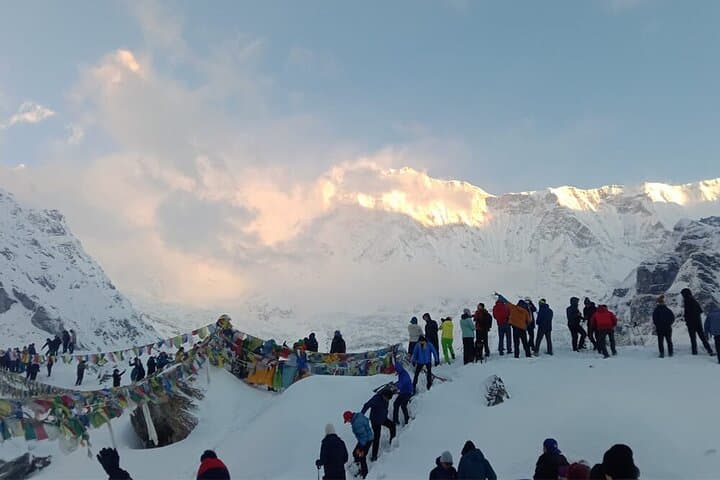
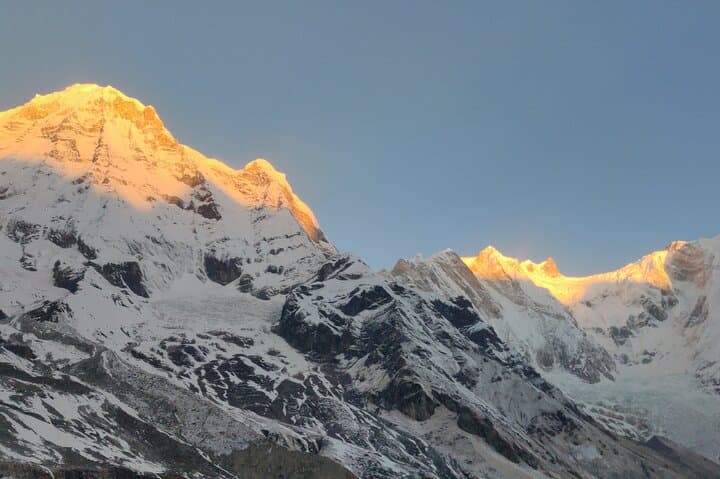
A compact 10-day circuit into the Annapurna Sanctuary, flown in from Pokhara and returning the same way. Expect high alpine scenery, teahouse nights, and a sunrise at 4,130 m above the Modi Khola glacier.
A compact 10-day circuit into the Annapurna Sanctuary, flown in from Pokhara and returning the same way. Expect high alpine scenery, teahouse nights, and a sunrise at 4,130 m above the Modi Khola glacier.
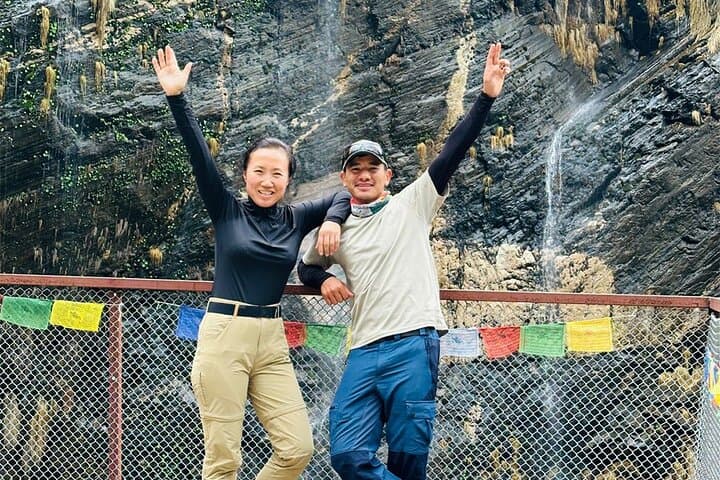
A cold morning in the Modi Khola valley frames the first step: prayer flags snap like small flags of permission while a limestone ridge and glacier-polished slopes rise ahead. The trek threads pine and rhododendron, climbs into oak-swept cols and opens to the circular amphitheater of Annapurna Sanctuary where sheer granite and snowfields push the air thin and bright.
Verified experiences and guided adventures in the surrounding area.
Operated by Iconic Holiday Nepal · Pokhara, Gandaki Province
A cold morning in the Modi Khola valley frames the first step: prayer flags snap like small flags of permission while a limestone ridge and glacier-polished slopes rise ahead. The trek threads pine and rhododendron, climbs into oak-swept cols and opens to the circular amphitheater of Annapurna Sanctuary where sheer granite and snowfields push the air thin and bright.
The route follows traditional porters' tracks that have long connected Gurung villages to high pastures. Geologically, the Sanctuary is a glacial bowl carved by the Modi Khola, with peaks like Annapurna I and Machhapuchchhre towering as recent, uplifted crust. Culturally, villages en route—Ghandruk, Chhomrong—are living communities of Gurung farmers whose terraces and stone houses punctuate the valley and whose tea houses provide rest and local cuisine.
Expect long but steady days: 4–7 hours on approach days, a summit-like sunrise at base camp above 4,100 m, and a slow descent with hot springs at Jhinu Danda for tired legs. Weather changes quickly—sun can magnify mornings while afternoon clouds gather over the high ridges. Guides handle permits (ACAP, TIMS) and local logistics; porters lighten loads but altitude remains the deciding factor.
Practical edge: prepare layered insulation, break in waterproof boots, carry a compact sleeping bag for teahouse stays, and allow two acclimatization days if you are sensitive to altitude. Hydrate early and test your breathing on steady uphill sections; the mountains will push you, but the trail rewards patience with raw Himalayan panoramas.
challenging.
9–10 days.
Solid cardiovascular fitness and experience with multi-day trekking at altitude; regular hikers with stair-climbing endurance will manage best
Yes—ACAP and TIMS permits are required and are typically handled by your operator or guide.
Spring (Mar–May) and fall (Sep–Nov) offer the most stable weather and clear mountain views; winter is colder with snow at higher elevations.
Tea houses provide basic twin rooms and cooked meals; expect simple facilities and pay attention to hygiene and hot-water availability.
ABC reaches ~4,130 m—altitude sickness risk is real; ascend slowly, stay hydrated, and descend if symptoms progress.
The Annapurna massif has been central to Gurung highland life and seasonal transhumance; the Sanctuary became a regulated conservation area under ACAP in the late 20th century.
ACAP manages permits and fees to fund local conservation; stick to marked trails, avoid single-use plastics, and respect teahouse waste practices.
Iconic Holiday Nepal operates guided outdoor trips and adventures with an emphasis on safety, stewardship, and memorable experiences.

A cold morning in the Modi Khola valley frames the first step: prayer flags snap like small flags of permission while a limestone ridge and glacier-polished slopes rise ahead. The trek threads pine and rhododendron, climbs into oak-swept cols and opens to the circular amphitheater of Annapurna Sanctuary where sheer granite and snowfields push the air thin and bright.
A cold morning in the Modi Khola valley frames the first step: prayer flags snap like small flags of permission while a limestone ridge and glacier-polished slopes rise ahead. The trek threads pine and rhododendron, climbs into oak-swept cols and opens to the circular amphitheater of Annapurna Sanctuary where sheer granite and snowfields push the air thin and bright.
The route follows traditional porters' tracks that have long connected Gurung villages to high pastures. Geologically, the Sanctuary is a glacial bowl carved by the Modi Khola, with peaks like Annapurna I and Machhapuchchhre towering as recent, uplifted crust. Culturally, villages en route—Ghandruk, Chhomrong—are living communities of Gurung farmers whose terraces and stone houses punctuate the valley and whose tea houses provide rest and local cuisine.
Expect long but steady days: 4–7 hours on approach days, a summit-like sunrise at base camp above 4,100 m, and a slow descent with hot springs at Jhinu Danda for tired legs. Weather changes quickly—sun can magnify mornings while afternoon clouds gather over the high ridges. Guides handle permits (ACAP, TIMS) and local logistics; porters lighten loads but altitude remains the deciding factor.
Practical edge: prepare layered insulation, break in waterproof boots, carry a compact sleeping bag for teahouse stays, and allow two acclimatization days if you are sensitive to altitude. Hydrate early and test your breathing on steady uphill sections; the mountains will push you, but the trail rewards patience with raw Himalayan panoramas.