THE ADVENTURE COLLECTIVE® · Independent discovery and booking for outdoor travel

A classic 10-day route into the Annapurna Sanctuary, this trek delivers close-up views of Annapurna I and Machhapuchhre while passing Gurung villages and rhododendron forests. Expect long days on stone steps, teahouse nights, and essential acclimatization at altitude.
A classic 10-day route into the Annapurna Sanctuary, this trek delivers close-up views of Annapurna I and Machhapuchhre while passing Gurung villages and rhododendron forests. Expect long days on stone steps, teahouse nights, and essential acclimatization at altitude.
At dawn the Annapurna amphitheater opens: low clouds unspool from the valley and the south face of Annapurna I sharpens into light. You reach Annapurna Base Camp after stair-step ascents through rhododendron forests, bamboo gullies and stone shepherd trails, the air thin and bright at 4,130 m.
Verified experiences and guided adventures in the surrounding area.
Operated by The Great Adventure Treks & Expedition - Private Day Tours · Pokhara, Gandaki Province
At dawn the Annapurna amphitheater opens: low clouds unspool from the valley and the south face of Annapurna I sharpens into light. You reach Annapurna Base Camp after stair-step ascents through rhododendron forests, bamboo gullies and stone shepherd trails, the air thin and bright at 4,130 m.
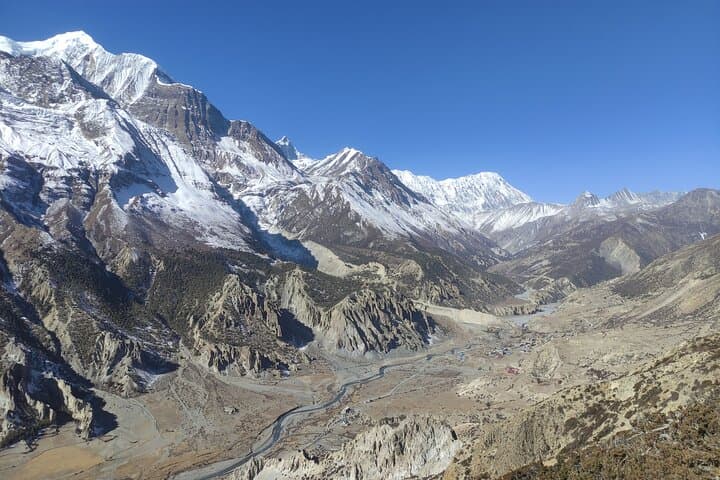
The Annapurna Sanctuary was carved by glaciers and streams, a natural bowl ringed by steep ridges. Local Gurung and Magar villages—Ghandruk, Chhomrong and small hamlets along the Modi Khola—add a cultural layer: tea-house hospitality, dal bhat, and community-run guesthouses. Geologically the massif is young, uplifted by the Indian and Eurasian plates; scree slopes, moraines and river-cut beds are visible daily on the route.
Trail conditions vary: packed stone steps, long descents, occasional exposed scree and single-span suspension bridges. Services are basic but reliable—tea-house dorms, cooked meals, and licensed guides and porters. Permits (ACAP, TIMS), altitude awareness and proper acclimatization are standard parts of the itinerary.
Practical guidance: train for sustained ascending and descending; use trekking poles to protect knees; carry layered insulation for sub-zero nights and a quality sleeping bag (nights at ABC are cold). Hydrate often—altitude increases dehydration—and limit daily altitude gain above 3,000 m. Spring and fall give the clearest mountain views; monsoon months bring mud and landslide risk. Bring cash for teahouses and respect local conservation rules—pack out waste and reduce single-use plastics to support the Annapurna Conservation Area.
challenging.
10 days (approx. 6–8 days trekking).
Good cardiovascular fitness and strong legs for sustained ascents/descents; ability to hike 5–8 hours on consecutive days.
Yes—ACAP (Annapurna Conservation Area Permit) and a TIMS card are required; guides typically help arrange them before or at the trailhead.
Challenging: non-technical but sustained altitude and long days demand good fitness, cautious pacing and at least one acclimatization day.
Tea-house dormitory rooms and simple private rooms are common; meals are home-style (dal bhat, soups, noodles). Expect fewer choices at higher elevations.
Very—monitor symptoms, ascend slowly, hydrate, and communicate any severe symptoms to your guide; descent is the primary treatment for significant illness.
The Annapurna Conservation Area, created in the 1980s, balances village livelihoods with mountain protection; Gurung and Magar communities have long shaped local culture.
ACAP manages permits and trail maintenance—stick to marked paths, carry out waste, and minimize single-use plastics to reduce impact.
The Great Adventure Treks & Expedition - Private Day Tours operates guided outdoor trips and adventures with an emphasis on safety, stewardship, and memorable experiences.
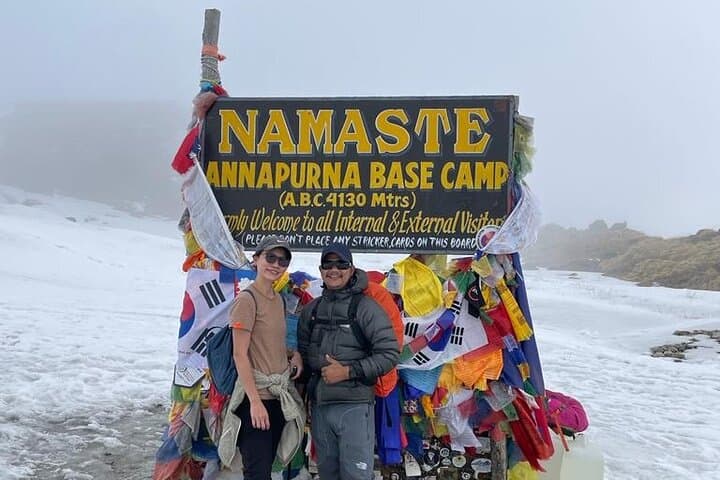
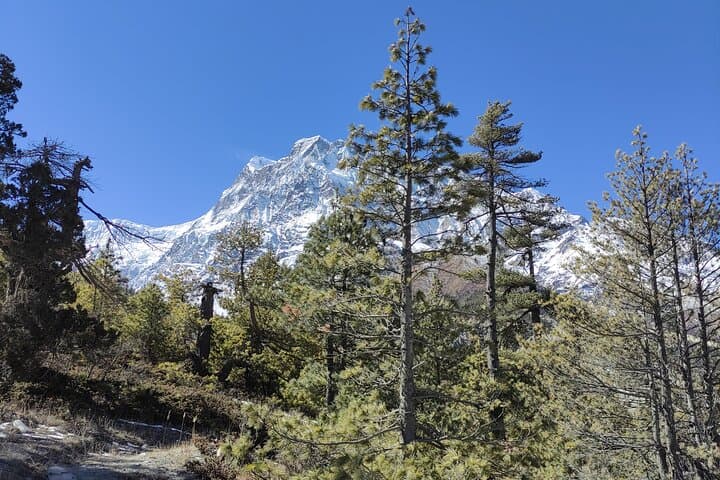
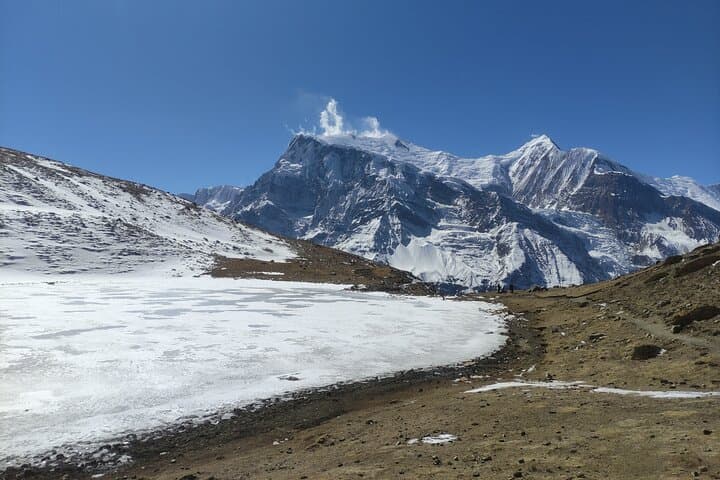
At dawn the Annapurna amphitheater opens: low clouds unspool from the valley and the south face of Annapurna I sharpens into light. You reach Annapurna Base Camp after stair-step ascents through rhododendron forests, bamboo gullies and stone shepherd trails, the air thin and bright at 4,130 m.
At dawn the Annapurna amphitheater opens: low clouds unspool from the valley and the south face of Annapurna I sharpens into light. You reach Annapurna Base Camp after stair-step ascents through rhododendron forests, bamboo gullies and stone shepherd trails, the air thin and bright at 4,130 m.
The Annapurna Sanctuary was carved by glaciers and streams, a natural bowl ringed by steep ridges. Local Gurung and Magar villages—Ghandruk, Chhomrong and small hamlets along the Modi Khola—add a cultural layer: tea-house hospitality, dal bhat, and community-run guesthouses. Geologically the massif is young, uplifted by the Indian and Eurasian plates; scree slopes, moraines and river-cut beds are visible daily on the route.
Trail conditions vary: packed stone steps, long descents, occasional exposed scree and single-span suspension bridges. Services are basic but reliable—tea-house dorms, cooked meals, and licensed guides and porters. Permits (ACAP, TIMS), altitude awareness and proper acclimatization are standard parts of the itinerary.
Practical guidance: train for sustained ascending and descending; use trekking poles to protect knees; carry layered insulation for sub-zero nights and a quality sleeping bag (nights at ABC are cold). Hydrate often—altitude increases dehydration—and limit daily altitude gain above 3,000 m. Spring and fall give the clearest mountain views; monsoon months bring mud and landslide risk. Bring cash for teahouses and respect local conservation rules—pack out waste and reduce single-use plastics to support the Annapurna Conservation Area.