THE ADVENTURE COLLECTIVE® · Independent discovery and booking for outdoor travel

A 10-day classic that climbs from Pokhara’s foothills into the high amphitheater of Annapurna Base Camp (4,130 m). Expect village hospitality, steep stone steps, rhododendron forests, and expansive Himalayan panoramas—plan for altitude and variable trail conditions.
A 10-day classic that climbs from Pokhara’s foothills into the high amphitheater of Annapurna Base Camp (4,130 m). Expect village hospitality, steep stone steps, rhododendron forests, and expansive Himalayan panoramas—plan for altitude and variable trail conditions.
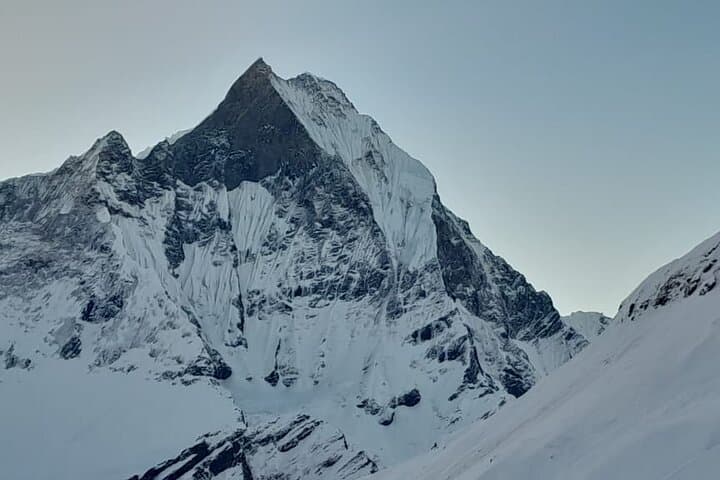
Morning light slices the ridgelines as the bus eases out of Kathmandu and the plains give way to folded hills. By the time you reach Pokhara, the lake’s calm mirrors Machhapuchhre’s jagged profile; the mountains are already calling. Day two drops you into stone villages—Ghandruk’s terraces and Chhomrong’s thousand steps—before the trail climbs through bamboo and rhododendron into the thin, crystalline air above 3,000 m.
Verified experiences and guided adventures in the surrounding area.
Operated by CAN Travels · Pokhara, Gandaki Province
Morning light slices the ridgelines as the bus eases out of Kathmandu and the plains give way to folded hills. By the time you reach Pokhara, the lake’s calm mirrors Machhapuchhre’s jagged profile; the mountains are already calling. Day two drops you into stone villages—Ghandruk’s terraces and Chhomrong’s thousand steps—before the trail climbs through bamboo and rhododendron into the thin, crystalline air above 3,000 m.
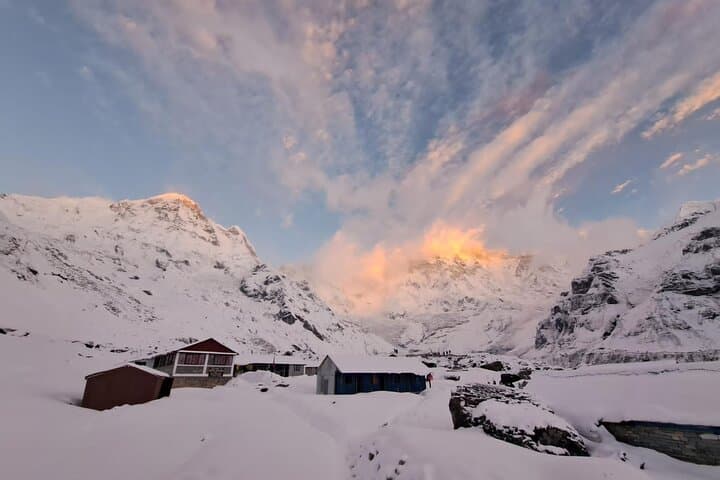
The Annapurna massif is a geologic record of continental collision—rock thrust high by the Indian plate into the Eurasian—to form peaks like Annapurna I (8,091 m) and the sacred Machhapuchhre (Fishtail), visible on clear mornings. The route threads Gurung villages where hospitality and simple teahouses shape the rhythm of a trek. Near Modi Khola the river dares you to keep pace; higher, moraine and alpine meadows give way to the amphitheater at Annapurna Base Camp (4,130 m), surrounded by 360° glaciated walls.
Expect steep stone steps, frequent altitude gain, and daily hiking windows of about 4–7 hours; sections are rocky and can be slippery after rain. Plan at least one acclimatization-aware ascent profile, carry layers for freezing nights, and respect avalanche-prone sections near Deurali and MBC. Permits (ACAP and TIMS) are mandatory and fees support local conservation and lodges.
Practical moves: start in Pokhara to rest before trekking, use a licensed guide for navigation and acclimatization decisions, and keep daily mileage conservative. Hydrate, pace your ascent, and leave no trace—this landscape is both fragile and insistently alive.
challenging.
10 days.
Good aerobic fitness and experience with multi-day hikes; able to walk 4–7 hours daily carrying a daypack and tolerate 4,000+ m elevation.
Yes—both an Annapurna Conservation Area Permit (ACAP) and a TIMS card are required; guides usually arrange these before trekking.
ABC reaches 4,130 m, where mild acute mountain sickness is possible; ascend slowly, hydrate, and notify your guide if symptoms appear—descent is the primary treatment.
A licensed guide is strongly recommended for navigation, acclimatization decisions, and local logistics; porters are optional but common for comfort and safety.
Spring (Mar–May) and autumn (Sep–Nov) offer the clearest views and stable weather; monsoon months bring heavy mud and winter brings cold and potential snow.
The Annapurna Conservation Area, established in the late 1980s, was Nepal’s first conservation unit; Gurung villages along the trail retain long-standing agricultural and hospitality traditions.
Permits fund local conservation and community projects; use teahouses, avoid single-use plastics, and pack out non-biodegradable waste to limit impact.
CAN Travels operates guided outdoor trips and adventures with an emphasis on safety, stewardship, and memorable experiences.

Morning light slices the ridgelines as the bus eases out of Kathmandu and the plains give way to folded hills. By the time you reach Pokhara, the lake’s calm mirrors Machhapuchhre’s jagged profile; the mountains are already calling. Day two drops you into stone villages—Ghandruk’s terraces and Chhomrong’s thousand steps—before the trail climbs through bamboo and rhododendron into the thin, crystalline air above 3,000 m.
Morning light slices the ridgelines as the bus eases out of Kathmandu and the plains give way to folded hills. By the time you reach Pokhara, the lake’s calm mirrors Machhapuchhre’s jagged profile; the mountains are already calling. Day two drops you into stone villages—Ghandruk’s terraces and Chhomrong’s thousand steps—before the trail climbs through bamboo and rhododendron into the thin, crystalline air above 3,000 m.
The Annapurna massif is a geologic record of continental collision—rock thrust high by the Indian plate into the Eurasian—to form peaks like Annapurna I (8,091 m) and the sacred Machhapuchhre (Fishtail), visible on clear mornings. The route threads Gurung villages where hospitality and simple teahouses shape the rhythm of a trek. Near Modi Khola the river dares you to keep pace; higher, moraine and alpine meadows give way to the amphitheater at Annapurna Base Camp (4,130 m), surrounded by 360° glaciated walls.
Expect steep stone steps, frequent altitude gain, and daily hiking windows of about 4–7 hours; sections are rocky and can be slippery after rain. Plan at least one acclimatization-aware ascent profile, carry layers for freezing nights, and respect avalanche-prone sections near Deurali and MBC. Permits (ACAP and TIMS) are mandatory and fees support local conservation and lodges.
Practical moves: start in Pokhara to rest before trekking, use a licensed guide for navigation and acclimatization decisions, and keep daily mileage conservative. Hydrate, pace your ascent, and leave no trace—this landscape is both fragile and insistently alive.