THE ADVENTURE COLLECTIVE® · Independent discovery and booking for outdoor travel

A 10-day classic that climbs from Pokhara’s lakeshore up through Gurung villages and bamboo forests to the 4,130 m Annapurna Base Camp. Expect long walking days, teahouse stays, and dramatic glacier-carved views.
A 10-day classic that climbs from Pokhara’s lakeshore up through Gurung villages and bamboo forests to the 4,130 m Annapurna Base Camp. Expect long walking days, teahouse stays, and dramatic glacier-carved views.
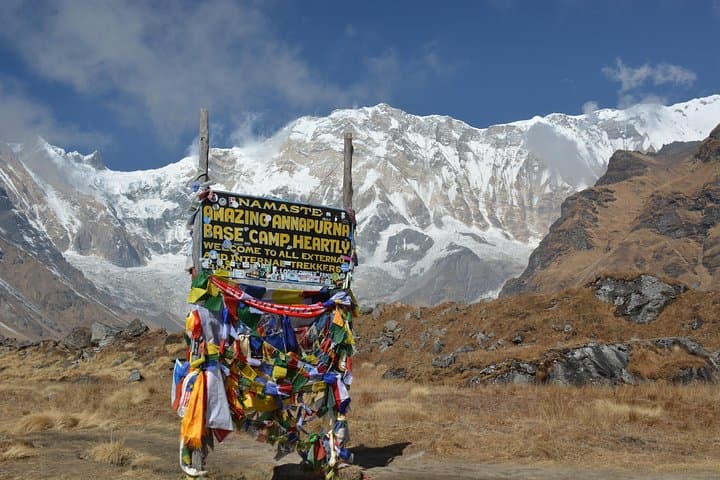
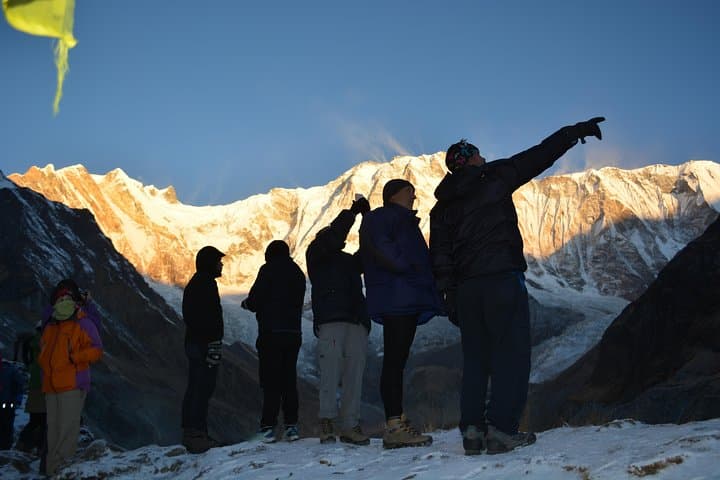
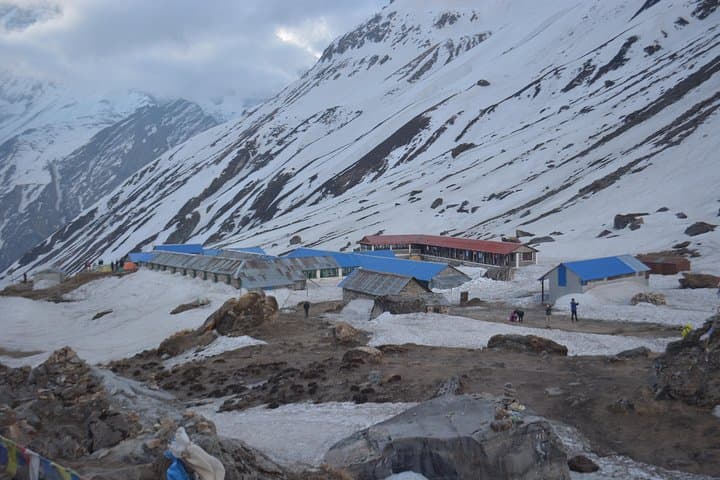
Dawn breaks over the lakes of Pokhara and the road west folds into terraced hills and the Trishuli River daring you toward the Annapurna massif. By day three the trail tightens into stone steps carved into jungle—rhododendron canopies give way to bamboo and then naked moraine as you push above 3,000 m. The sanctuary at ABC opens suddenly: a bowl of scree ringed by sheer faces that seem to breathe cold wind back at you.
Verified experiences and guided adventures in the surrounding area.
Operated by Third Eye Adventure P. Ltd · Pokhara, Gandaki Province
Dawn breaks over the lakes of Pokhara and the road west folds into terraced hills and the Trishuli River daring you toward the Annapurna massif. By day three the trail tightens into stone steps carved into jungle—rhododendron canopies give way to bamboo and then naked moraine as you push above 3,000 m. The sanctuary at ABC opens suddenly: a bowl of scree ringed by sheer faces that seem to breathe cold wind back at you.
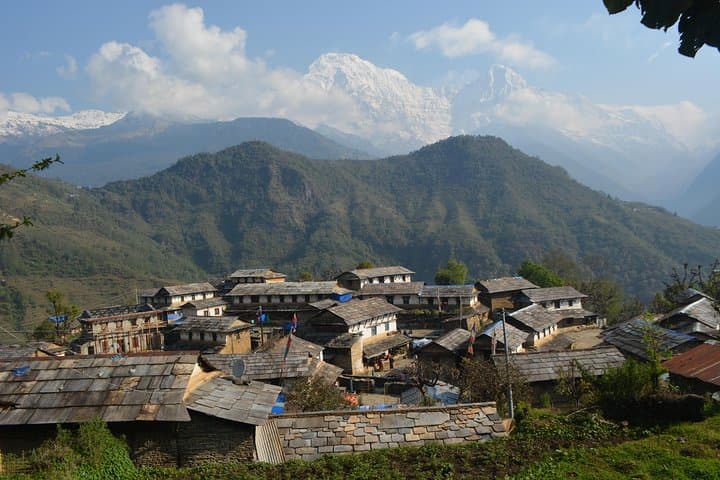
The route follows centuries-old mule trails and villages of the Gurung people, whose culture and mountain lore punctuate teahouse evenings. Geologically, the trek rises from subtropical valleys into the high Himalayan rain shadow; the ascent delivers dramatic changes in vegetation and the first real views of Annapurna I (8,091 m) and Machhapuchhre’s near-vertical flanks.
Expect long days—many 4–7 hour walking sections—with sustained elevation gain: from roughly 820 m in Pokhara to 4,130 m at ABC. Accommodation is tea house style with communal meals; water is available but treat or boil it. Permits required include the Annapurna Conservation Area Permit (ACAP) and TIMS card.
Practical edge: pace the ascent to allow acclimatization, carry layered clothing for large temperature swings, and use trekking poles to ease knee strain on steep stone steps. Start early to avoid afternoon cloud and maximize mountain views. If you prefer fewer road hours, budget for the $100 one-way flight to Pokhara. This is a classic high-altitude trekking experience—technically non-technical but physically demanding, rewarding hikers with uncompromised Himalayan panoramas and village-level cultural encounters.
challenging.
9–10 days on trail (10 days including transfers).
Good aerobic fitness and experience with sustained uphill days; comfortable with 6–8 hour hiking days.
Yes—both the Annapurna Conservation Area Permit (ACAP) and a TIMS card are required and are arranged in Pokhara or via your operator.
The route is non-technical but physically demanding; daily gains and sleeping above 3,000 m require careful pacing and hydration to reduce altitude sickness risk.
Tea-house lodges provide shared rooms, basic bedding and set-altitude meals; vegetarian options are common but bring snacks for energy-dense calories.
Yes—there are flights from Kathmandu to Pokhara (often an extra cost around $100) that cut a 7-hour drive to a 25–30 minute flight, weather permitting.
The trail follows traditional trade and livestock routes used for generations by Gurung and Magar communities; tourism expanded significantly after trekking permits were introduced in the 1970s.
The Annapurna Conservation Area Project regulates permits and promotes community-based tourism—stick to marked trails, pack out waste, and minimize firewood use.
Third Eye Adventure P. Ltd operates guided outdoor trips and adventures with an emphasis on safety, stewardship, and memorable experiences.
Dawn breaks over the lakes of Pokhara and the road west folds into terraced hills and the Trishuli River daring you toward the Annapurna massif. By day three the trail tightens into stone steps carved into jungle—rhododendron canopies give way to bamboo and then naked moraine as you push above 3,000 m. The sanctuary at ABC opens suddenly: a bowl of scree ringed by sheer faces that seem to breathe cold wind back at you.
Dawn breaks over the lakes of Pokhara and the road west folds into terraced hills and the Trishuli River daring you toward the Annapurna massif. By day three the trail tightens into stone steps carved into jungle—rhododendron canopies give way to bamboo and then naked moraine as you push above 3,000 m. The sanctuary at ABC opens suddenly: a bowl of scree ringed by sheer faces that seem to breathe cold wind back at you.
The route follows centuries-old mule trails and villages of the Gurung people, whose culture and mountain lore punctuate teahouse evenings. Geologically, the trek rises from subtropical valleys into the high Himalayan rain shadow; the ascent delivers dramatic changes in vegetation and the first real views of Annapurna I (8,091 m) and Machhapuchhre’s near-vertical flanks.
Expect long days—many 4–7 hour walking sections—with sustained elevation gain: from roughly 820 m in Pokhara to 4,130 m at ABC. Accommodation is tea house style with communal meals; water is available but treat or boil it. Permits required include the Annapurna Conservation Area Permit (ACAP) and TIMS card.
Practical edge: pace the ascent to allow acclimatization, carry layered clothing for large temperature swings, and use trekking poles to ease knee strain on steep stone steps. Start early to avoid afternoon cloud and maximize mountain views. If you prefer fewer road hours, budget for the $100 one-way flight to Pokhara. This is a classic high-altitude trekking experience—technically non-technical but physically demanding, rewarding hikers with uncompromised Himalayan panoramas and village-level cultural encounters.