THE ADVENTURE COLLECTIVE® · Independent discovery and booking for outdoor travel

A 10–14 day classic through rhododendron forests and terraced villages to the Annapurna Sanctuary. Expect steep stone steps, tea-house nights, and panoramic high-mountain views at 4,130 m.
A 10–14 day classic through rhododendron forests and terraced villages to the Annapurna Sanctuary. Expect steep stone steps, tea-house nights, and panoramic high-mountain views at 4,130 m.
You wake before dawn in a tea house above a sleeping village; wooden stairs creak, and cold mountain air cuts sharp as the first light paints Annapurna’s glaciers in pale gold. The trail climbs through rhododendron forests, crosses old stone staircases and farm terraces, then opens into the amphitheater of the Annapurna Sanctuary where ABC sits, ringed by sheer faces and corniced ridgelines.
Verified experiences and guided adventures in the surrounding area.
Operated by Everest Trekking Routes Pvt. Ltd. · Pokhara, Gandaki Province
You wake before dawn in a tea house above a sleeping village; wooden stairs creak, and cold mountain air cuts sharp as the first light paints Annapurna’s glaciers in pale gold. The trail climbs through rhododendron forests, crosses old stone staircases and farm terraces, then opens into the amphitheater of the Annapurna Sanctuary where ABC sits, ringed by sheer faces and corniced ridgelines.
This route threads local history and geology: Gurung and Magar communities farm steep terraces and host trekkers in family-run lodges, while the Annapurna massif—the product of Himalayan uplift—shows metamorphic rock faces carved by glaciers. The Annapurna Conservation Area (ACAP) balances tourism with traditional livelihoods; along the way you’ll pass small shrines, mani stones, and terraced fields irrigated by channels that have served valley farmers for generations.
Expect a mix of terrain—packed dirt, uneven stone steps, and occasional scree—altitude that peaks near 4,130 m, and a rhythm of steady days (5–7 hours) with regular tea-house stops. Weather shifts fast: clear sunrise panoramas can give way to afternoon mist or snow. Practical preparation matters: steady hiking boots, waterproof layers, and a sleeping bag rated to near-freezing will keep you comfortable; plan two acclimatization days and monitor for altitude symptoms. Hydrate, pace up steep sections, and use trekking poles for descents.
The reward is immediate—mountain walls that feel alive, yak bells echoing in gullies, and the quiet satisfaction of standing where few conveniences reach. For motivated trekkers with solid fitness, this classic Himalayan route offers both cultural contact and an uncompromising high-mountain experience.
challenging.
10–14 days.
Good aerobic fitness and experience with multi-day hikes; able to walk 5–7 hours on hilly terrain for consecutive days.
Spring (March–May) and fall (September–November) offer the most stable weather and clear mountain views; monsoon (summer) is wetter and winter can bring snow at higher elevations.
Yes—trekkers require a TIMS card and an ACAP permit; guides or operators usually arrange these before you start.
Tea houses (simple lodges) provide dorm-style rooms, meals, and hot drinks—expect basic facilities and pay for hot showers and electricity where available.
Ascend slowly, stay hydrated, avoid alcohol, include rest/acclimatization days, and descend immediately if severe symptoms appear; carry acetazolamide only if prescribed by a doctor.
The region is home to Gurung and Magar communities; ACAP was created to protect both cultural landscapes and biodiversity as trekking grew.
ACAP-managed permits fund conservation and local development; limit waste, avoid firewood collection, and support village-run tea houses to keep tourism sustainable.
Everest Trekking Routes Pvt. Ltd. operates guided outdoor trips and adventures with an emphasis on safety, stewardship, and memorable experiences.
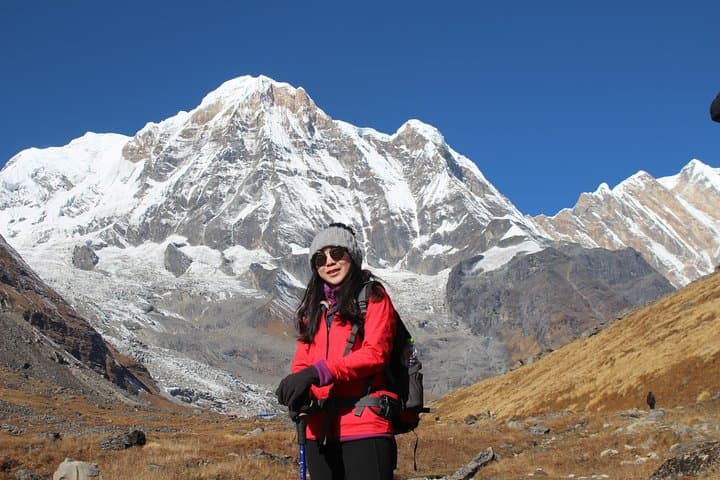
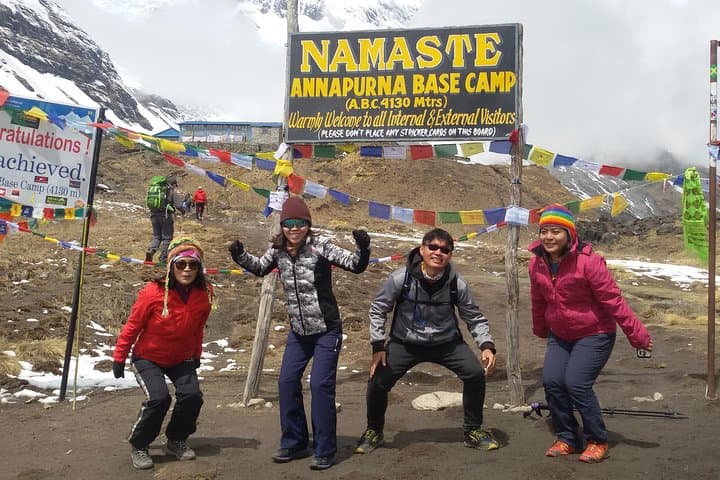
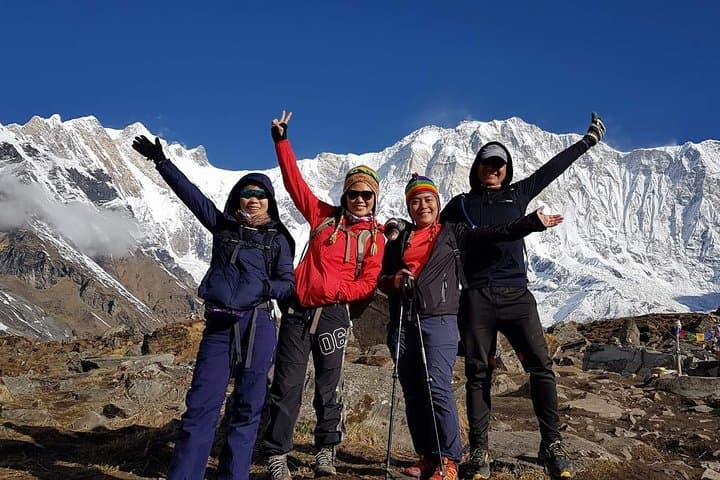
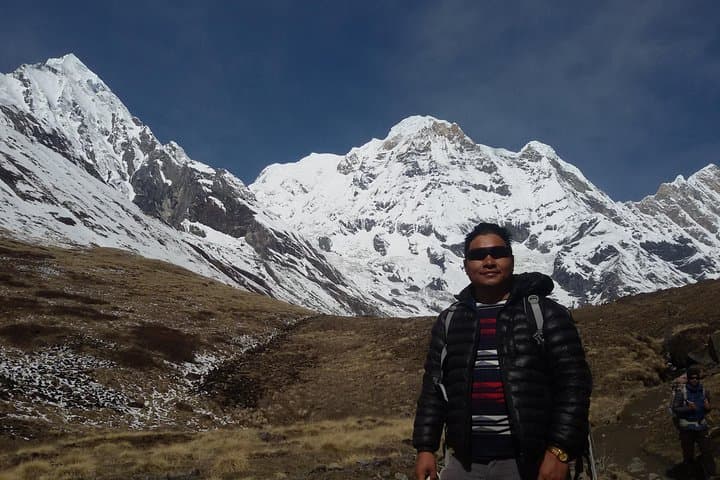
You wake before dawn in a tea house above a sleeping village; wooden stairs creak, and cold mountain air cuts sharp as the first light paints Annapurna’s glaciers in pale gold. The trail climbs through rhododendron forests, crosses old stone staircases and farm terraces, then opens into the amphitheater of the Annapurna Sanctuary where ABC sits, ringed by sheer faces and corniced ridgelines.
You wake before dawn in a tea house above a sleeping village; wooden stairs creak, and cold mountain air cuts sharp as the first light paints Annapurna’s glaciers in pale gold. The trail climbs through rhododendron forests, crosses old stone staircases and farm terraces, then opens into the amphitheater of the Annapurna Sanctuary where ABC sits, ringed by sheer faces and corniced ridgelines.
This route threads local history and geology: Gurung and Magar communities farm steep terraces and host trekkers in family-run lodges, while the Annapurna massif—the product of Himalayan uplift—shows metamorphic rock faces carved by glaciers. The Annapurna Conservation Area (ACAP) balances tourism with traditional livelihoods; along the way you’ll pass small shrines, mani stones, and terraced fields irrigated by channels that have served valley farmers for generations.
Expect a mix of terrain—packed dirt, uneven stone steps, and occasional scree—altitude that peaks near 4,130 m, and a rhythm of steady days (5–7 hours) with regular tea-house stops. Weather shifts fast: clear sunrise panoramas can give way to afternoon mist or snow. Practical preparation matters: steady hiking boots, waterproof layers, and a sleeping bag rated to near-freezing will keep you comfortable; plan two acclimatization days and monitor for altitude symptoms. Hydrate, pace up steep sections, and use trekking poles for descents.
The reward is immediate—mountain walls that feel alive, yak bells echoing in gullies, and the quiet satisfaction of standing where few conveniences reach. For motivated trekkers with solid fitness, this classic Himalayan route offers both cultural contact and an uncompromising high-mountain experience.