THE ADVENTURE COLLECTIVE® · Independent discovery and booking for outdoor travel

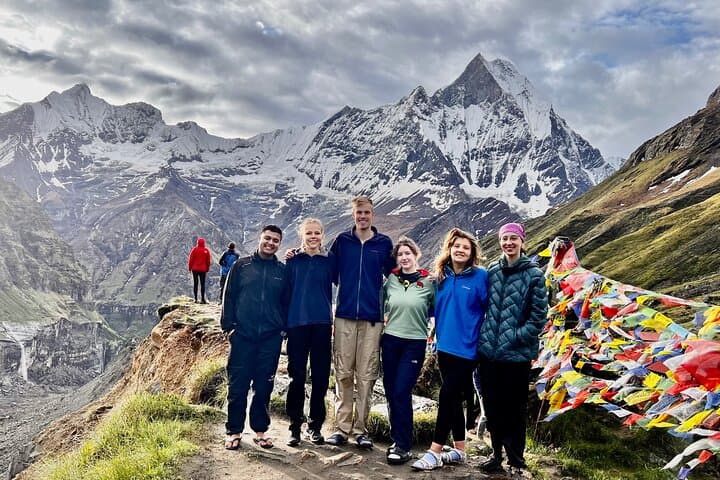
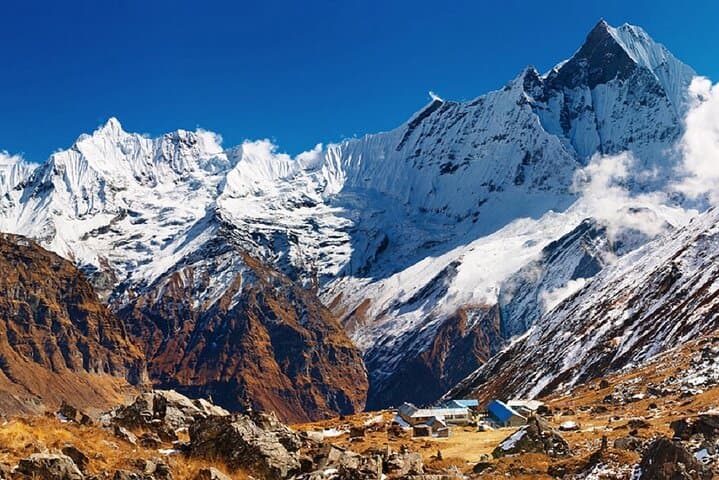
A privately guided 8–9 day trek from Pokhara to Annapurna Base Camp takes you through terraced farmland, rhododendron forests, and high alpine bowls. Expect daily climbs, tea-house nights, and a sunrise at 4,130 m with sweeping views of the Annapurna massif.
A privately guided 8–9 day trek from Pokhara to Annapurna Base Camp takes you through terraced farmland, rhododendron forests, and high alpine bowls. Expect daily climbs, tea-house nights, and a sunrise at 4,130 m with sweeping views of the Annapurna massif.
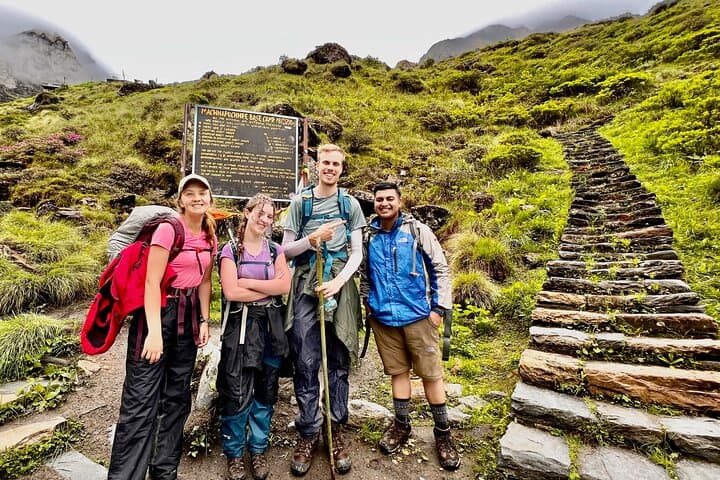
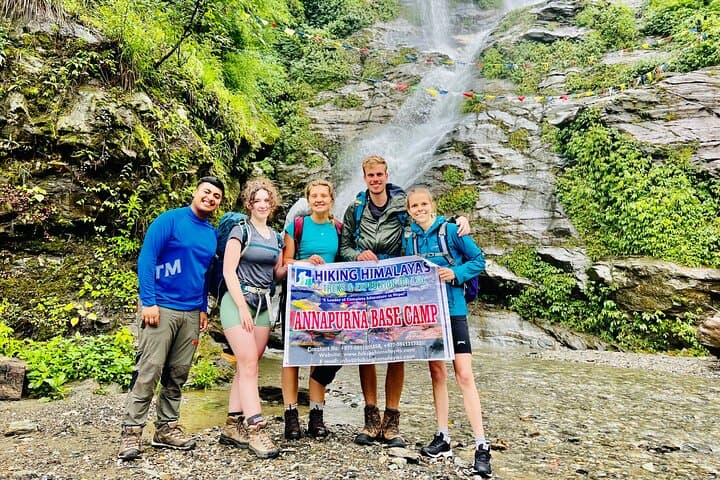
Dawn breaks over narrow Nepali lanes as a tourist bus winds down from Pokhara toward the Modi Khola valley, and the first glimpses of snow-steeped ridgelines push themselves above oak and rhododendron. The trail moves in rhythms—stairs through rice terraces, a cool shadowed river crossing, then steep lungs-up switchbacks through bamboo and pine. By late afternoon villages like Jhinu and Chhomrung appear, low stone houses and prayer flags greeting trekkers on their way to the amphitheater of peaks.
Verified experiences and guided adventures in the surrounding area.
Operated by Hiking Himalayas Trek and Expedition Private Day Tours · Pokhara, Gandaki Province
Dawn breaks over narrow Nepali lanes as a tourist bus winds down from Pokhara toward the Modi Khola valley, and the first glimpses of snow-steeped ridgelines push themselves above oak and rhododendron. The trail moves in rhythms—stairs through rice terraces, a cool shadowed river crossing, then steep lungs-up switchbacks through bamboo and pine. By late afternoon villages like Jhinu and Chhomrung appear, low stone houses and prayer flags greeting trekkers on their way to the amphitheater of peaks.
The Annapurna massif is the product of continental collision: folded, uplifted rock faces that give way to serrated glaciers and high-altitude meadows. The region is also the cultural domain of Gurung and Magar communities; tea houses and simple lodges along the route reflect a long tradition of wayfaring hospitality. Conservation measures under ACAP (Annapurna Conservation Area Project) limit development inside the sanctuary and require permits.
Practically, expect single-track trails, daily ascents and descents of 4–7 hours, and a summit-like feel at ABC (about 4,130 m) where weather can change quickly. This private short trek includes a professional guide, permits, most meals on trek, and transfers between Kathmandu/Pokhara and trailheads. Hydration and steady pacing beat speed; acclimatize by sleeping lower and ascending gradually when possible. Footwear with good grip, layered insulation, and a warm sleeping bag are essential. Start early to avoid afternoon clouds and plan extra days if you’re sensitive to altitude. The route rewards patience: sunrise paints Annapurna I, Machapuchare and Gangapurna, and the sanctuary’s raw geology and local culture stay with you long after the descent.
challenging.
8–9 days.
Good cardiovascular fitness with experience walking 4–6 hours a day on steep terrain; able to handle sustained ascents and high-altitude conditions.
Yes—trekkers require an ACAP permit and a TIMS card; these are usually arranged in Pokhara or included by tour operators.
ABC sits around 4,130 m (13,550 ft); altitude symptoms are possible—monitor signs and descend if severe.
Tea houses provide simple dorm-style rooms and soups, dal-bhat and tea; standards improve on popular stretches but remain basic at higher camps.
Fit beginners can complete it with a guided group, gradual pacing, and adherence to acclimatization protocols, but prior multi-day hiking experience helps.
The Annapurna region has long been inhabited by Gurung and Magar communities; the trekking economy grew after the 1970s when the area opened to tourism and ACAP was formed.
ACAP regulates permits, waste management and community tourism; travelers should pack out trash, minimize single-use plastics and respect local water sources.
Hiking Himalayas Trek and Expedition Private Day Tours operates guided outdoor trips and adventures with an emphasis on safety, stewardship, and memorable experiences.
Dawn breaks over narrow Nepali lanes as a tourist bus winds down from Pokhara toward the Modi Khola valley, and the first glimpses of snow-steeped ridgelines push themselves above oak and rhododendron. The trail moves in rhythms—stairs through rice terraces, a cool shadowed river crossing, then steep lungs-up switchbacks through bamboo and pine. By late afternoon villages like Jhinu and Chhomrung appear, low stone houses and prayer flags greeting trekkers on their way to the amphitheater of peaks.
Dawn breaks over narrow Nepali lanes as a tourist bus winds down from Pokhara toward the Modi Khola valley, and the first glimpses of snow-steeped ridgelines push themselves above oak and rhododendron. The trail moves in rhythms—stairs through rice terraces, a cool shadowed river crossing, then steep lungs-up switchbacks through bamboo and pine. By late afternoon villages like Jhinu and Chhomrung appear, low stone houses and prayer flags greeting trekkers on their way to the amphitheater of peaks.
The Annapurna massif is the product of continental collision: folded, uplifted rock faces that give way to serrated glaciers and high-altitude meadows. The region is also the cultural domain of Gurung and Magar communities; tea houses and simple lodges along the route reflect a long tradition of wayfaring hospitality. Conservation measures under ACAP (Annapurna Conservation Area Project) limit development inside the sanctuary and require permits.
Practically, expect single-track trails, daily ascents and descents of 4–7 hours, and a summit-like feel at ABC (about 4,130 m) where weather can change quickly. This private short trek includes a professional guide, permits, most meals on trek, and transfers between Kathmandu/Pokhara and trailheads. Hydration and steady pacing beat speed; acclimatize by sleeping lower and ascending gradually when possible. Footwear with good grip, layered insulation, and a warm sleeping bag are essential. Start early to avoid afternoon clouds and plan extra days if you’re sensitive to altitude. The route rewards patience: sunrise paints Annapurna I, Machapuchare and Gangapurna, and the sanctuary’s raw geology and local culture stay with you long after the descent.