THE ADVENTURE COLLECTIVE® · Independent discovery and booking for outdoor travel

Walk the classic Annapurna Sanctuary from Ghandruk to Annapurna Base Camp on a private guided 10-day itinerary. Expect steep stone steps, layered forests, Himalayan panoramas and a restorative hot-spring finish at Jhinu Danda.
Walk the classic Annapurna Sanctuary from Ghandruk to Annapurna Base Camp on a private guided 10-day itinerary. Expect steep stone steps, layered forests, Himalayan panoramas and a restorative hot-spring finish at Jhinu Danda.
The trail opens with the first light spilling across terraced fields as you leave Pokhara and drive toward the foothills. By the time you reach Ghandruk, stone houses and prayer flags frame the path; the forest breathes cool and green, and the river below dares you to move faster. Each day alternates between steep stone staircases, bamboo groves and wide mountain meadows until the skyline breaks into the serrated ridgelines of Annapurna I and Machhapuchhre.
Verified experiences and guided adventures in the surrounding area.
Operated by Altitude Himalaya · Pokhara, Gandaki Province
The trail opens with the first light spilling across terraced fields as you leave Pokhara and drive toward the foothills. By the time you reach Ghandruk, stone houses and prayer flags frame the path; the forest breathes cool and green, and the river below dares you to move faster. Each day alternates between steep stone staircases, bamboo groves and wide mountain meadows until the skyline breaks into the serrated ridgelines of Annapurna I and Machhapuchhre.
This route follows the Annapurna Sanctuary, a natural amphitheater formed by glaciation and uplift. The region sits inside the Annapurna Conservation Area Project (ACAP), an early model of community-based conservation in Nepal. Cultural notes are obvious on the trail: Gurung villages with painted mani stones, teahouse hospitality, and seasonal yak grazing above tree line. The itinerary here begins from Ghandruk and passes Machhapuchhre Base Camp (around 3,700 m) before topping out at Annapurna Base Camp (approximately 4,130 m). The full circuit covered in local routes is roughly 150 km of walking spread across approaches and side trails over the course of the trip.
Practical guidance: acclimatize, expect 4–7 hours hiking days, and carry layers for cold nights. Bring cash for tea houses, keep permits (ACAP, TIMS) handy, and respect trekking etiquette in villages. Plan for a soak at Jhinu Danda’s hot springs on descent, and allow flexibility in schedules for weather and acclimatization—mountains demand patience as much as ambition.
moderate.
8–10 days.
Good cardiovascular fitness; comfortable walking 4–7 hours per day on uneven terrain and stone steps.
Yes—ACAP permit and a TIMS card are required and are typically arranged before or at Pokhara; guides often handle this for you.
Annapurna Base Camp sits at about 4,130 m (13,550 ft); plan acclimatization accordingly.
Yes; the route is a teahouse trek with simple lodgings and meals, but services are more basic at higher elevations.
Hikers with good fitness and no serious health issues can complete the trek, but prior multi-day hiking experience and proper pacing help.
The Annapurna Sanctuary was long traversed by local shepherds and trading routes; conservation and regulated permits began with ACAP in the 1980s to manage tourism impacts.
Follow Leave No Trace: pack out non-biodegradable waste, avoid single-use plastics when possible, and respect community rules—ACAP fees support local conservation and development.
Altitude Himalaya operates guided outdoor trips and adventures with an emphasis on safety, stewardship, and memorable experiences.
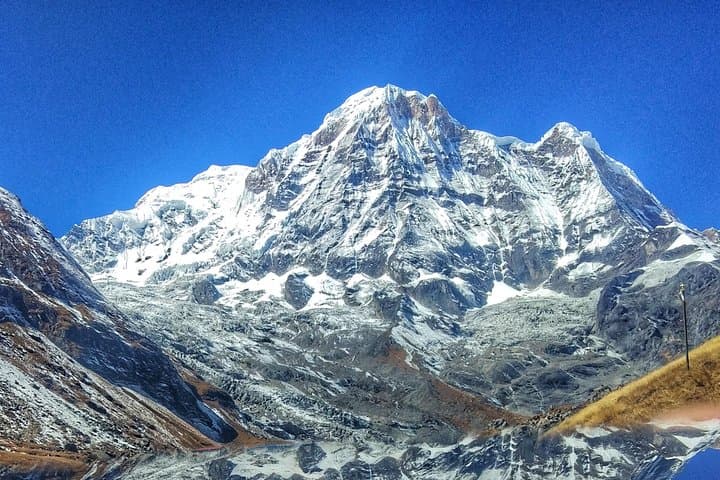
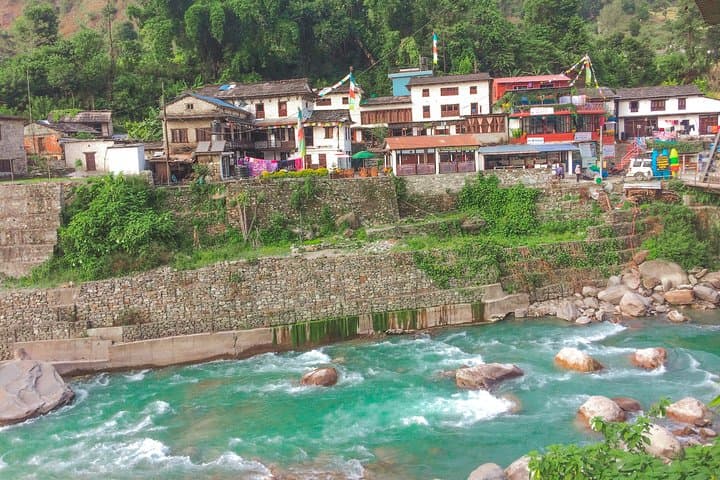
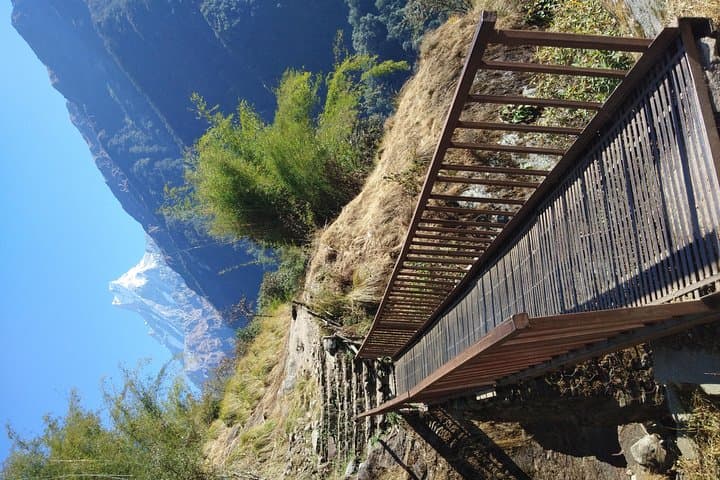
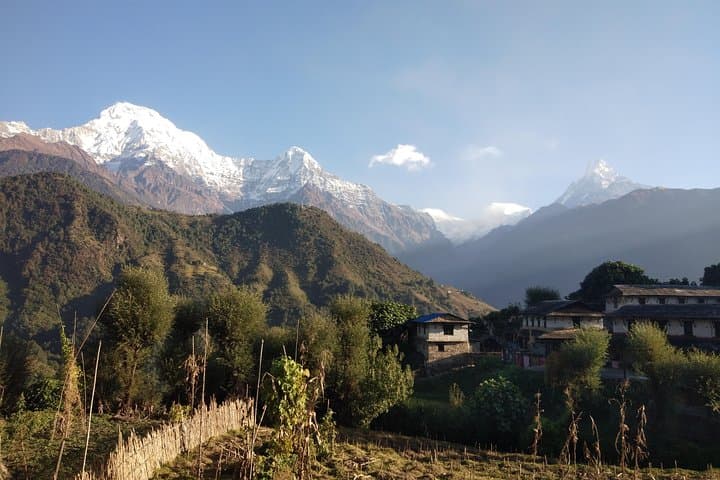
The trail opens with the first light spilling across terraced fields as you leave Pokhara and drive toward the foothills. By the time you reach Ghandruk, stone houses and prayer flags frame the path; the forest breathes cool and green, and the river below dares you to move faster. Each day alternates between steep stone staircases, bamboo groves and wide mountain meadows until the skyline breaks into the serrated ridgelines of Annapurna I and Machhapuchhre.
The trail opens with the first light spilling across terraced fields as you leave Pokhara and drive toward the foothills. By the time you reach Ghandruk, stone houses and prayer flags frame the path; the forest breathes cool and green, and the river below dares you to move faster. Each day alternates between steep stone staircases, bamboo groves and wide mountain meadows until the skyline breaks into the serrated ridgelines of Annapurna I and Machhapuchhre.
This route follows the Annapurna Sanctuary, a natural amphitheater formed by glaciation and uplift. The region sits inside the Annapurna Conservation Area Project (ACAP), an early model of community-based conservation in Nepal. Cultural notes are obvious on the trail: Gurung villages with painted mani stones, teahouse hospitality, and seasonal yak grazing above tree line. The itinerary here begins from Ghandruk and passes Machhapuchhre Base Camp (around 3,700 m) before topping out at Annapurna Base Camp (approximately 4,130 m). The full circuit covered in local routes is roughly 150 km of walking spread across approaches and side trails over the course of the trip.
Practical guidance: acclimatize, expect 4–7 hours hiking days, and carry layers for cold nights. Bring cash for tea houses, keep permits (ACAP, TIMS) handy, and respect trekking etiquette in villages. Plan for a soak at Jhinu Danda’s hot springs on descent, and allow flexibility in schedules for weather and acclimatization—mountains demand patience as much as ambition.