THE ADVENTURE COLLECTIVE® · Independent discovery and booking for outdoor travel

A 9-day classic through Nepal’s Annapurna Sanctuary, this trek pairs the Poon Hill sunrise with a high camp under the Annapurna massif. Expect tea-house stays, varied terrain, and serious mountain views—plus practical guidance on permits, altitude, and gear.
A 9-day classic through Nepal’s Annapurna Sanctuary, this trek pairs the Poon Hill sunrise with a high camp under the Annapurna massif. Expect tea-house stays, varied terrain, and serious mountain views—plus practical guidance on permits, altitude, and gear.
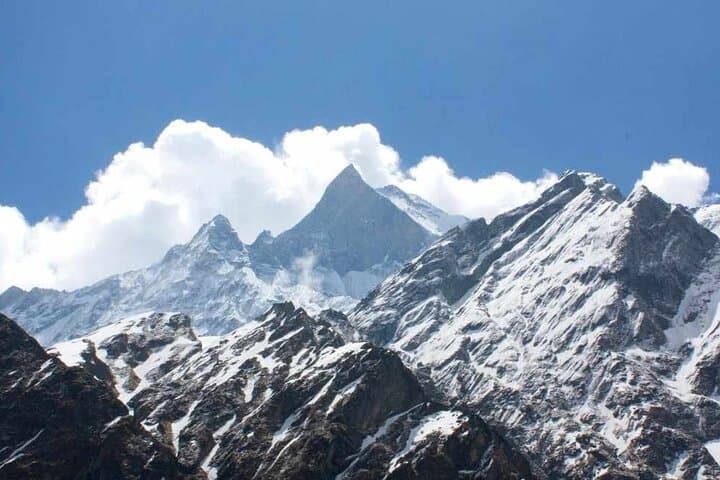
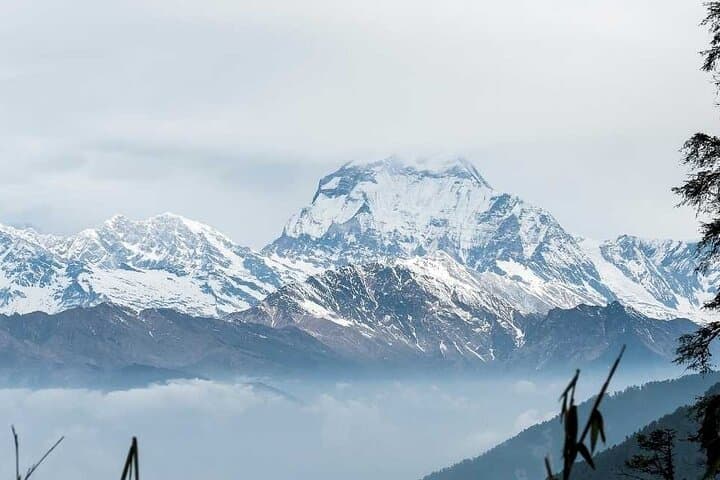
You step out of the jeep in Nayapul and the air changes—thinner, cooler, threaded with wood smoke. Trails climb through terraced fields, then into rhododendron groves whose trunks lean like old guides. By Ghorepani the ridgeline opens and Poon Hill's sunrise throws the Annapurna massif and Machhapuchhre into hard, blue-edged light.
Verified experiences and guided adventures in the surrounding area.
Operated by Mountain Hike Nepal · Pokhara, Gandaki Province
You step out of the jeep in Nayapul and the air changes—thinner, cooler, threaded with wood smoke. Trails climb through terraced fields, then into rhododendron groves whose trunks lean like old guides. By Ghorepani the ridgeline opens and Poon Hill's sunrise throws the Annapurna massif and Machhapuchhre into hard, blue-edged light.
This route threads human history and geology: centuries of Gurung and Magar farming shaped the stepped fields while tectonic uplift and glacial carving sculpted the Annapurna cirque. Tea houses along the way preserve local hospitality—simple dal bhat and shared stories—while hot springs at Jhinu Danda offer a slow, volcanic warmth after long descent.
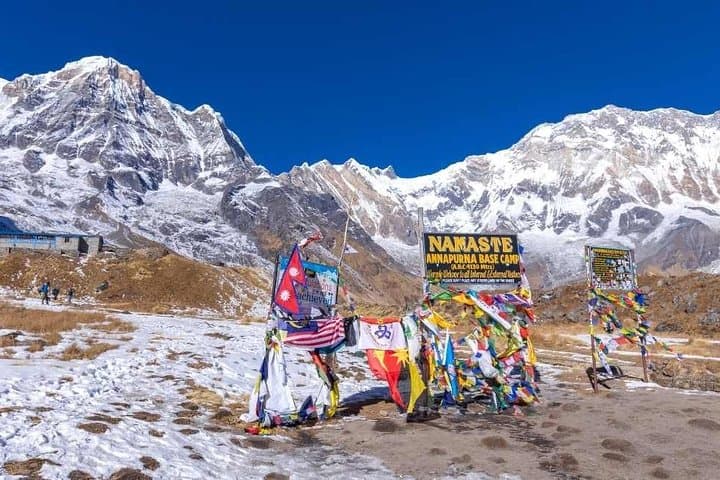
Expect varied terrain: well-trodden stone steps, muddy forest tracks, and short scree sections above 3,000 m. The itinerary covers about 9 days, topping out at Annapurna Base Camp ~4,130 m with notable high points at Ghorepani (2,880 m) and Machhapuchhre Base Camp. Altitude is the real variable—take acclimatization seriously and watch for symptoms.
Practical notes: plan sturdy, broken-in trekking boots, layered insulation for cold nights, and consistent hydration—1.5–3 L daily depending on exertion. Start early on hill climbs to avoid afternoon cloud; use trekking poles for steep descents. Permits (ACAP, TIMS) are required and usually handled by operators; tea houses provide basic rooms and meals but expect rustic comfort.
This trek is as much cultural as it is alpine: villages, stone mani walls, and a skyline that keeps pushing you onward. Prepare for long walking days, variable weather, and the steady reward of high-mountain panoramas.
challenging.
9 days.
Good cardiovascular fitness and multi-day hiking experience; ability to carry a daypack for 5–8 hour walking days.
You need the Annapurna Conservation Area Permit (ACAP) and a TIMS card; reputable operators usually arrange these before departure.
Physically fit beginners can complete it with a guide, but acclimatization, stamina for long days, and comfort with basic teahouse living are required.
Nighttime temperatures at ABC can drop well below freezing, especially October–March; daytime may be mild when sunny but wind increases chill.
The itinerary visits Jhinu Danda where natural hot springs are accessible, but entry may require a short walk and a small local fee.
Gurung and Magar communities have traded, farmed, and maintained these trails for generations; tea houses grew with trekking in the 20th century.
The Annapurna Conservation Area balances trekking access with habitat protection—stick to trails, avoid single-use plastics, and use registered guides to minimize impact.
Mountain Hike Nepal operates guided outdoor trips and adventures with an emphasis on safety, stewardship, and memorable experiences.
You step out of the jeep in Nayapul and the air changes—thinner, cooler, threaded with wood smoke. Trails climb through terraced fields, then into rhododendron groves whose trunks lean like old guides. By Ghorepani the ridgeline opens and Poon Hill's sunrise throws the Annapurna massif and Machhapuchhre into hard, blue-edged light.
You step out of the jeep in Nayapul and the air changes—thinner, cooler, threaded with wood smoke. Trails climb through terraced fields, then into rhododendron groves whose trunks lean like old guides. By Ghorepani the ridgeline opens and Poon Hill's sunrise throws the Annapurna massif and Machhapuchhre into hard, blue-edged light.
This route threads human history and geology: centuries of Gurung and Magar farming shaped the stepped fields while tectonic uplift and glacial carving sculpted the Annapurna cirque. Tea houses along the way preserve local hospitality—simple dal bhat and shared stories—while hot springs at Jhinu Danda offer a slow, volcanic warmth after long descent.
Expect varied terrain: well-trodden stone steps, muddy forest tracks, and short scree sections above 3,000 m. The itinerary covers about 9 days, topping out at Annapurna Base Camp ~4,130 m with notable high points at Ghorepani (2,880 m) and Machhapuchhre Base Camp. Altitude is the real variable—take acclimatization seriously and watch for symptoms.
Practical notes: plan sturdy, broken-in trekking boots, layered insulation for cold nights, and consistent hydration—1.5–3 L daily depending on exertion. Start early on hill climbs to avoid afternoon cloud; use trekking poles for steep descents. Permits (ACAP, TIMS) are required and usually handled by operators; tea houses provide basic rooms and meals but expect rustic comfort.
This trek is as much cultural as it is alpine: villages, stone mani walls, and a skyline that keeps pushing you onward. Prepare for long walking days, variable weather, and the steady reward of high-mountain panoramas.