THE ADVENTURE COLLECTIVE® · Independent discovery and booking for outdoor travel

Walk from Pokhara up Modi Khola to a glacier‑framed Annapurna Base Camp, with hot springs and Gurung villages en route. This eight‑day trek combines dramatic mountain views with teahouse nights and practical acclimatization.
Walk from Pokhara up Modi Khola to a glacier‑framed Annapurna Base Camp, with hot springs and Gurung villages en route. This eight‑day trek combines dramatic mountain views with teahouse nights and practical acclimatization.
Dawn breaks over terraced rice slopes as your jeep slips away from Pokhara and the trail pulls you into a corridor of rhododendron and bamboo. By afternoon the valley narrows, Modi Khola gorges gather momentum, and stone steps swing you between Gurung villages where prayer flags flutter like small, stubborn declarations of altitude.
Verified experiences and guided adventures in the surrounding area.
Operated by Shishu Tours & Travel · Pokhara, Gandaki Province
Dawn breaks over terraced rice slopes as your jeep slips away from Pokhara and the trail pulls you into a corridor of rhododendron and bamboo. By afternoon the valley narrows, Modi Khola gorges gather momentum, and stone steps swing you between Gurung villages where prayer flags flutter like small, stubborn declarations of altitude.
This eight‑day circuit threads culture and geology: Gurung and Magar settlements sit on moraine terraces carved by ancient glacial flow, while the Annapurna massif—Annapurna I, Hiunchuli, Gangapurna and the pyramid of Machhapuchhare—frames the skyline in ice and schist. The route follows Modi Khola upstream, crossing suspension bridges, climbing forested ridges, and opening onto the rocky amphitheater of Annapurna Base Camp (4,130 m) where glaciers and seracs push the horizon.
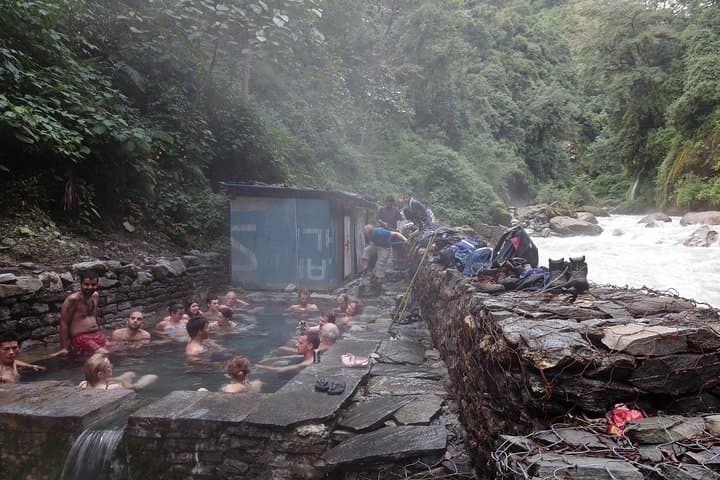
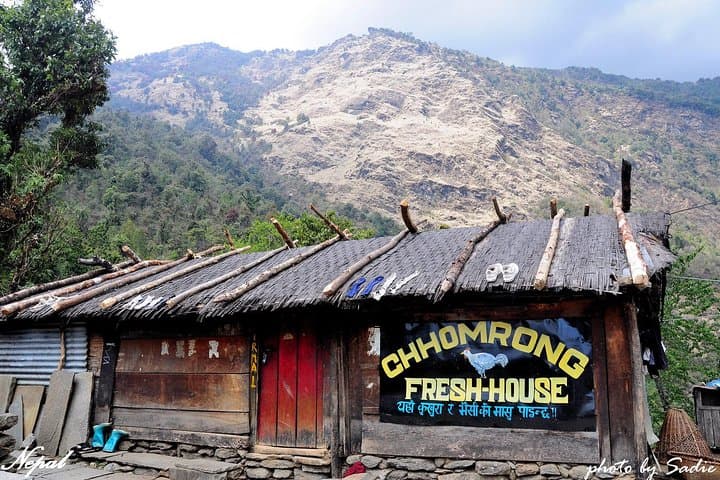
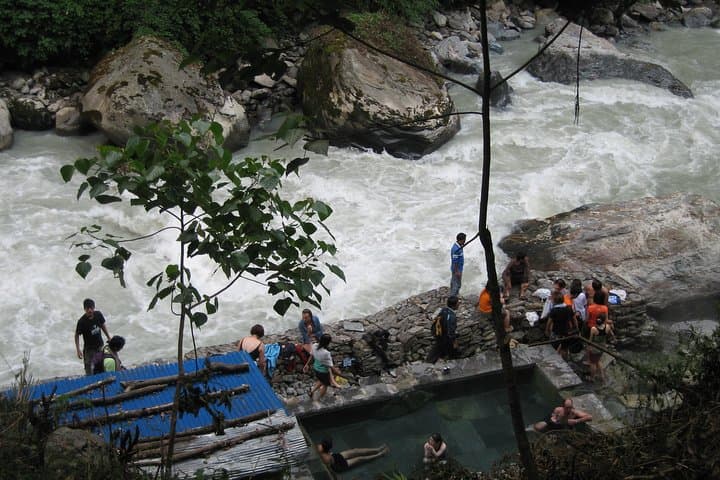
Along the way you’ll pass traditional teahouses, mosaic walls of local stone, and the Jhinu Danda hot springs—an earned soak after long descent. The trip runs inside the Annapurna Conservation Area, requiring permits and supporting community conservation.
Practical edge: expect steady uphill sections on stone steps and loose scree approaching ABC; plan for 4–7 hour walking days and at least one night above 3,000 m. Hydrate, eat often, and move deliberately to aid acclimatization. Sturdy ankle‑support boots, layered insulation, sun protection and a warm sleeping bag matter more than speed. Shoulder seasons—spring and fall—give best mountain clarity; monsoon brings leeches and mud, winter brings deep cold above tree line. Guides organize permits, lodges, and rescue support, but personal preparation determines comfort: pack light, respect village rhythms, and leave no trace as you walk through one of the Himalaya’s most immediate mountain experiences.
challenging.
8 days.
Good aerobic fitness and experience with multi‑day hikes; ability to carry a daypack and walk 4–7 hours daily at altitude.
Yes—trekkers must carry an Annapurna Conservation Area Permit (ACAP) and a TIMS card; guides usually arrange these before departure.
The hike is challenging mainly due to altitude and long daily ascents; technical climbing isn’t required but expect steep stone steps and loose scree near base camp.
Spring (Mar–May) and fall (Sep–Nov) offer the clearest views and stable weather; monsoon brings heavy rain and leeches, winter brings cold and possible snow.
Yes—Jhinu Danda near the trek’s end has natural hot springs accessible after a short descent from the trail.
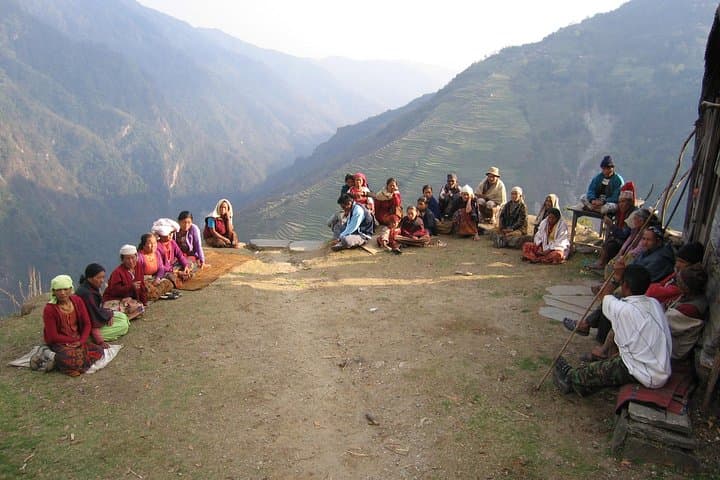
The valley is home to Gurung and Magar communities whose terrace agriculture and stone teahouses reflect centuries of Himalayan village life.
The route runs through the Annapurna Conservation Area; visitor fees fund local conservation and community development—minimize waste and stick to trails.
Shishu Tours & Travel operates guided outdoor trips and adventures with an emphasis on safety, stewardship, and memorable experiences.
Dawn breaks over terraced rice slopes as your jeep slips away from Pokhara and the trail pulls you into a corridor of rhododendron and bamboo. By afternoon the valley narrows, Modi Khola gorges gather momentum, and stone steps swing you between Gurung villages where prayer flags flutter like small, stubborn declarations of altitude.
Dawn breaks over terraced rice slopes as your jeep slips away from Pokhara and the trail pulls you into a corridor of rhododendron and bamboo. By afternoon the valley narrows, Modi Khola gorges gather momentum, and stone steps swing you between Gurung villages where prayer flags flutter like small, stubborn declarations of altitude.
This eight‑day circuit threads culture and geology: Gurung and Magar settlements sit on moraine terraces carved by ancient glacial flow, while the Annapurna massif—Annapurna I, Hiunchuli, Gangapurna and the pyramid of Machhapuchhare—frames the skyline in ice and schist. The route follows Modi Khola upstream, crossing suspension bridges, climbing forested ridges, and opening onto the rocky amphitheater of Annapurna Base Camp (4,130 m) where glaciers and seracs push the horizon.
Along the way you’ll pass traditional teahouses, mosaic walls of local stone, and the Jhinu Danda hot springs—an earned soak after long descent. The trip runs inside the Annapurna Conservation Area, requiring permits and supporting community conservation.
Practical edge: expect steady uphill sections on stone steps and loose scree approaching ABC; plan for 4–7 hour walking days and at least one night above 3,000 m. Hydrate, eat often, and move deliberately to aid acclimatization. Sturdy ankle‑support boots, layered insulation, sun protection and a warm sleeping bag matter more than speed. Shoulder seasons—spring and fall—give best mountain clarity; monsoon brings leeches and mud, winter brings deep cold above tree line. Guides organize permits, lodges, and rescue support, but personal preparation determines comfort: pack light, respect village rhythms, and leave no trace as you walk through one of the Himalaya’s most immediate mountain experiences.