THE ADVENTURE COLLECTIVE® · Independent discovery and booking for outdoor travel

A seven-day teahouse trek from Pokhara into the Annapurna Sanctuary that ends at ABC (4,130 m). Expect dramatic alpine views, Gurung villages, and varied terrain from subtropical forests to high meadows.
A seven-day teahouse trek from Pokhara into the Annapurna Sanctuary that ends at ABC (4,130 m). Expect dramatic alpine views, Gurung villages, and varied terrain from subtropical forests to high meadows.
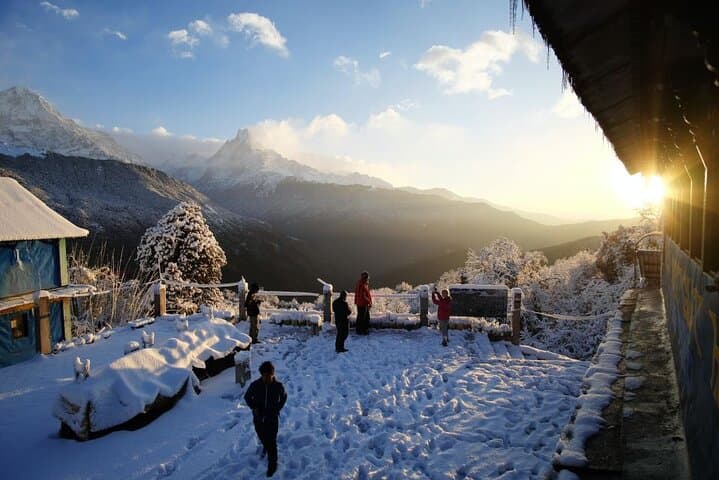
You step out of the jeep at Kyu Mi Danda and the valley exhales: terraced fields fall away, rhododendron trunks darken, and the first glimpses of Machapuchare slice the skyline. Over seven days you move from subtropical Annapurna foothills into the amphitheater of the Annapurna Sanctuary, finally standing at ABC (4,130 m) beneath a ring of serrated peaks.
Verified experiences and guided adventures in the surrounding area.
Operated by Pokhara Adventure Nepal (PAN) · Pokhara, Gandaki Province
You step out of the jeep at Kyu Mi Danda and the valley exhales: terraced fields fall away, rhododendron trunks darken, and the first glimpses of Machapuchare slice the skyline. Over seven days you move from subtropical Annapurna foothills into the amphitheater of the Annapurna Sanctuary, finally standing at ABC (4,130 m) beneath a ring of serrated peaks.
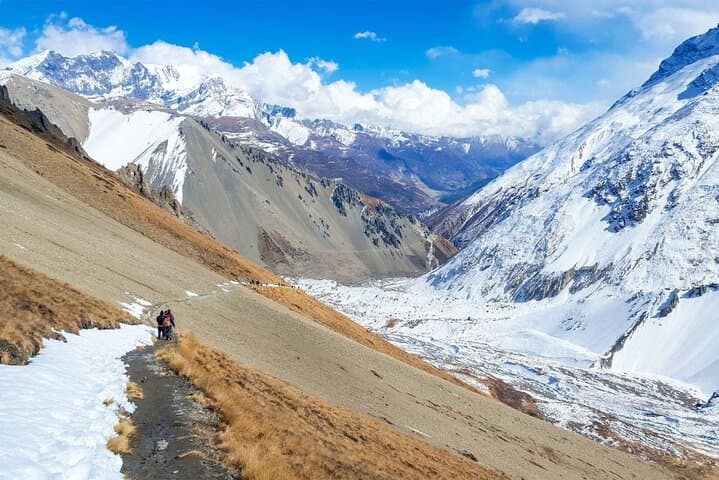
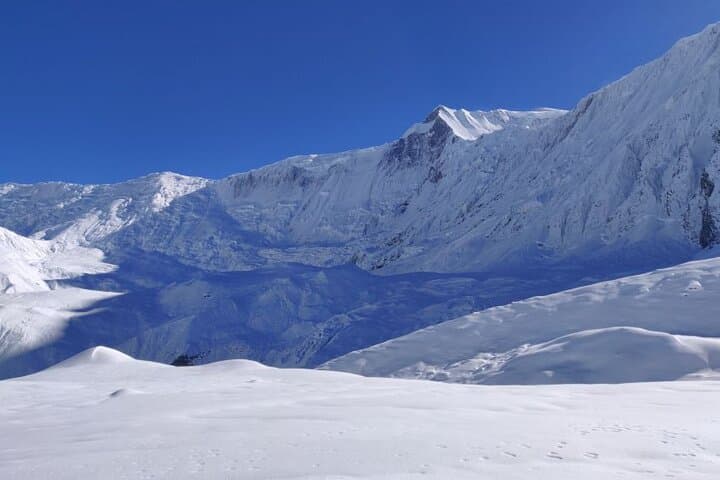
The route threads centuries of Gurung and Magar life — stone guest houses, prayer flags, and villages like Ghandruk where cultural museums record local customs. Geologically, the Annapurna massif is a young collision zone: dramatic uplift has produced steep glaciated faces, moraine bowls, and narrow river valleys carved by the Modi Khola. The Sanctuary itself is a natural basin that concentrates weather and views, which is why the peaks feel both immediate and overwhelming.
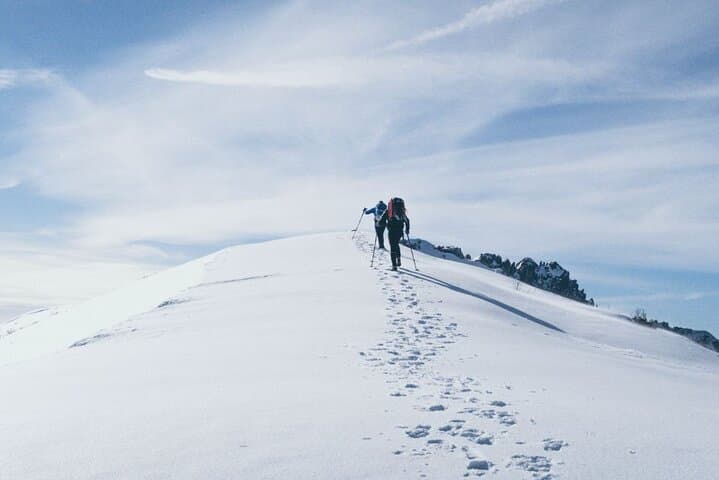
Expect a mix of forested switchbacks, bamboo groves, and high alpine meadows. Early mornings bring crisp air and long shadows across snowfields; afternoons on the lower slopes are humid and green. Locals rely on teahouse hospitality — simple meals, hot water, and shared drying lines for gear.
Practical guidance: acclimatize gradually, monitor your breathing and sleep, and carry small-denomination Nepalese rupees for teahouses. Footwear with firm ankle support and a warm down layer are essential above 3,000 m. Timing matters — spring and autumn offer the clearest views and the most stable trails. If you want a mix of culture, geology, and high-altitude scenery in a single loop, this trek delivers — but respect the altitude, the local environment, and the mountain weather.
challenging.
7 days.
Good cardiovascular fitness and experience with multi-day hikes; ability to walk 5–8 hours on uneven uphill and downhill terrain daily.
Yes — you need an ACAP permit and a TIMS card; operators typically arrange these with passport copies before the trek.
Spring (March–May) and autumn (September–November) offer the clearest views and stable weather; summer is monsoon-prone and winter is cold with possible trail closures.
ABC reaches 4,130 m; symptoms of altitude sickness are possible. A gradual ascent profile and one or two acclimatization practices lower the risk.
Yes — the itinerary follows established teahouse stops (Ghandruk, Sinuwa, Deurali, Bamboo, Jhinu) with basic meals, shared bathrooms, and simple bedding.
The Annapurna Sanctuary has long been home to Gurung communities; modern trekking routes expanded after the 1970s when mountaineering and conservation opened the area to visitors.
The Annapurna Conservation Area Project (ACAP) manages permits and community-based conservation; minimize waste, carry out plastics, and use local services to support villages.
Pokhara Adventure Nepal (PAN) operates guided outdoor trips and adventures with an emphasis on safety, stewardship, and memorable experiences.
You step out of the jeep at Kyu Mi Danda and the valley exhales: terraced fields fall away, rhododendron trunks darken, and the first glimpses of Machapuchare slice the skyline. Over seven days you move from subtropical Annapurna foothills into the amphitheater of the Annapurna Sanctuary, finally standing at ABC (4,130 m) beneath a ring of serrated peaks.
You step out of the jeep at Kyu Mi Danda and the valley exhales: terraced fields fall away, rhododendron trunks darken, and the first glimpses of Machapuchare slice the skyline. Over seven days you move from subtropical Annapurna foothills into the amphitheater of the Annapurna Sanctuary, finally standing at ABC (4,130 m) beneath a ring of serrated peaks.
The route threads centuries of Gurung and Magar life — stone guest houses, prayer flags, and villages like Ghandruk where cultural museums record local customs. Geologically, the Annapurna massif is a young collision zone: dramatic uplift has produced steep glaciated faces, moraine bowls, and narrow river valleys carved by the Modi Khola. The Sanctuary itself is a natural basin that concentrates weather and views, which is why the peaks feel both immediate and overwhelming.
Expect a mix of forested switchbacks, bamboo groves, and high alpine meadows. Early mornings bring crisp air and long shadows across snowfields; afternoons on the lower slopes are humid and green. Locals rely on teahouse hospitality — simple meals, hot water, and shared drying lines for gear.
Practical guidance: acclimatize gradually, monitor your breathing and sleep, and carry small-denomination Nepalese rupees for teahouses. Footwear with firm ankle support and a warm down layer are essential above 3,000 m. Timing matters — spring and autumn offer the clearest views and the most stable trails. If you want a mix of culture, geology, and high-altitude scenery in a single loop, this trek delivers — but respect the altitude, the local environment, and the mountain weather.