THE ADVENTURE COLLECTIVE® · Independent discovery and booking for outdoor travel

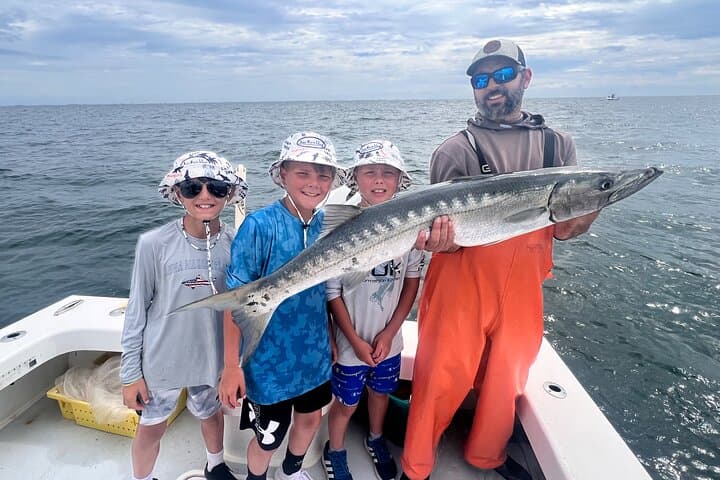
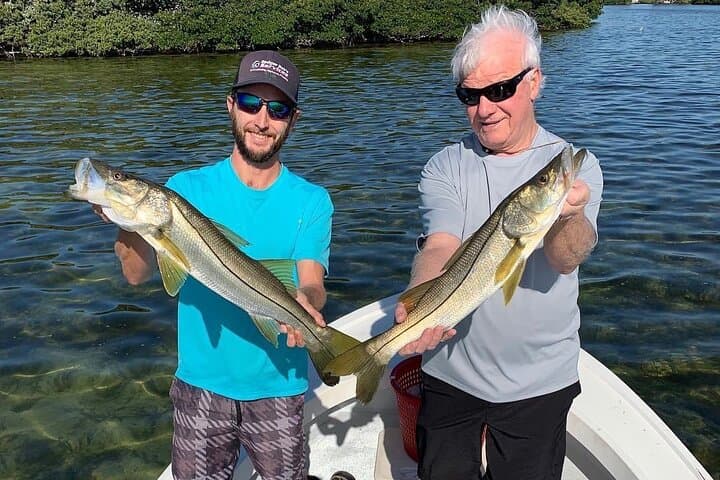
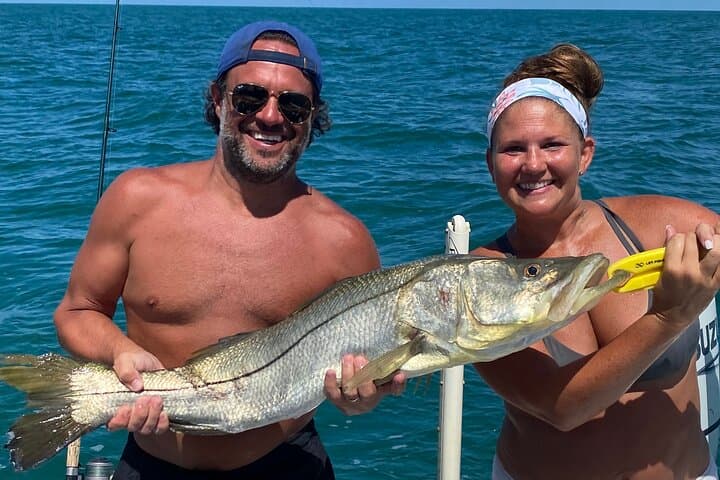
Spend four hours fishing the flats, channels and nearshore reefs around Anna Maria Island with a private captain who teaches all skill levels. Expect redfish, trout, snook and seasonal reef species along with regular dolphin and manatee sightings.
Spend four hours fishing the flats, channels and nearshore reefs around Anna Maria Island with a private captain who teaches all skill levels. Expect redfish, trout, snook and seasonal reef species along with regular dolphin and manatee sightings.
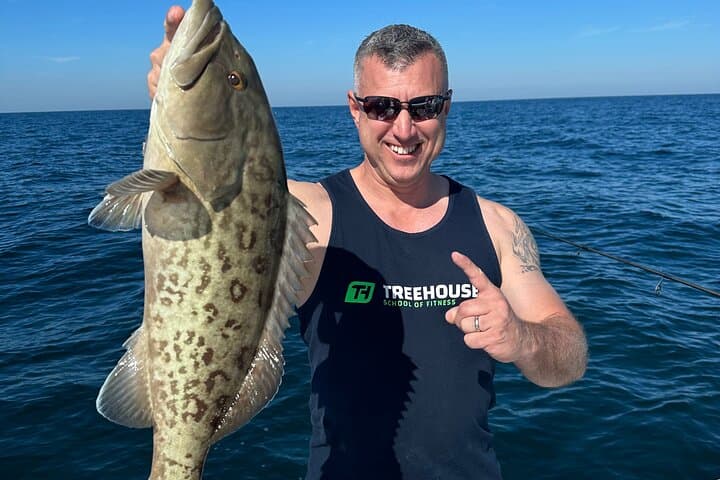
The engine quiets as the island slides aft — gulls cut the light and the mangroves stare back like a green wall daring you to find their edges. In four hours on these shallow flats and nearshore reefs you move from sheltered channels where redfish ghost beneath grass, out to sandbars where snook probe the tides, and beyond to reefs that hold snapper and grouper.
Verified experiences and guided adventures in the surrounding area.
Operated by Gulfcart Fishing Charters · Anna Maria, Florida
The engine quiets as the island slides aft — gulls cut the light and the mangroves stare back like a green wall daring you to find their edges. In four hours on these shallow flats and nearshore reefs you move from sheltered channels where redfish ghost beneath grass, out to sandbars where snook probe the tides, and beyond to reefs that hold snapper and grouper.
This stretch of Florida’s Gulf Coast has a layered story: Indigenous peoples lived here for millennia, Spanish explorers mapped the coast, and a century of commercial and sport fishing shaped small towns along the barrier island. Geology is simple and honest — low-lying carbonate sands, seagrass beds, and offshore limestone ledges that concentrate life and attract predators and anglers alike.
Local crews read the water like a map: current seams, tidal windows and the smell of baitfish. Dolphins and manatees often escort charters; seabirds announce schools. The culture here is informal and instructive — captains teach casting, rigging and responsible handling of species to protect fisheries.
Practical guidance: expect light chop when working nearshore; bring polarized sunglasses, reef-safe sunscreen, and closed-toe non-marking shoes. Motion-sickness meds are a good call if you’re prone. Most charters supply rods, bait and fish packaging; confirm pickup at Annie’s Bait & Tackle or arrange a local AMI pickup. Weather and fish behavior change by season — spring and fall can be most productive for multiple species. Respect no-wake zones and manatee areas, follow state bag limits, and be ready to switch tactics as the captain directs.
easy.
4 hours.
Suitable for most fitness levels; requires ability to board a small boat and stand for short periods
No — these are private charters that welcome beginners; captains provide gear and basic instruction.
Common targets include redfish, spotted sea trout, snook inshore, and seasonal snapper, grouper or cobia nearshore and on reefs.
Pickup is typically at Annie’s Bait & Tackle on Anna Maria Island; captains can arrange other AMI pickup points on request.
Trips are canceled for unsafe weather; this operator lists all sales final but will cancel if conditions are poor — confirm reschedule or refund policy when booking.
The barrier islands served Indigenous communities and later became small fishing villages; modern sport fishing grew in the 20th century, shaping local maritime culture.
Seagrass beds and mangroves are critical nursery habitat; follow bag limits, use non-toxic tackle when possible, and avoid prop-scarring to reduce impact.
Gulfcart Fishing Charters operates guided outdoor trips and adventures with an emphasis on safety, stewardship, and memorable experiences.
The engine quiets as the island slides aft — gulls cut the light and the mangroves stare back like a green wall daring you to find their edges. In four hours on these shallow flats and nearshore reefs you move from sheltered channels where redfish ghost beneath grass, out to sandbars where snook probe the tides, and beyond to reefs that hold snapper and grouper.
The engine quiets as the island slides aft — gulls cut the light and the mangroves stare back like a green wall daring you to find their edges. In four hours on these shallow flats and nearshore reefs you move from sheltered channels where redfish ghost beneath grass, out to sandbars where snook probe the tides, and beyond to reefs that hold snapper and grouper.
This stretch of Florida’s Gulf Coast has a layered story: Indigenous peoples lived here for millennia, Spanish explorers mapped the coast, and a century of commercial and sport fishing shaped small towns along the barrier island. Geology is simple and honest — low-lying carbonate sands, seagrass beds, and offshore limestone ledges that concentrate life and attract predators and anglers alike.
Local crews read the water like a map: current seams, tidal windows and the smell of baitfish. Dolphins and manatees often escort charters; seabirds announce schools. The culture here is informal and instructive — captains teach casting, rigging and responsible handling of species to protect fisheries.
Practical guidance: expect light chop when working nearshore; bring polarized sunglasses, reef-safe sunscreen, and closed-toe non-marking shoes. Motion-sickness meds are a good call if you’re prone. Most charters supply rods, bait and fish packaging; confirm pickup at Annie’s Bait & Tackle or arrange a local AMI pickup. Weather and fish behavior change by season — spring and fall can be most productive for multiple species. Respect no-wake zones and manatee areas, follow state bag limits, and be ready to switch tactics as the captain directs.