THE ADVENTURE COLLECTIVE® · Independent discovery and booking for outdoor travel

Spend five hours in the Magaliesberg foothills with cheetahs, African wild dogs and brown hyenas on a guided educational tour at the Ann van Dyk Cheetah Centre. Learn about breeding, reintroduction and predator ecology, and watch scheduled cheetah runs and feedings.
Spend five hours in the Magaliesberg foothills with cheetahs, African wild dogs and brown hyenas on a guided educational tour at the Ann van Dyk Cheetah Centre. Learn about breeding, reintroduction and predator ecology, and watch scheduled cheetah runs and feedings.
You arrive onto the sun-baked road that skirts the lower shoulders of the Magaliesberg and the air immediately smells of dry grass and dust; somewhere nearby a cheetah’s breath quickens. The Ann van Dyk Cheetah Centre sits low in those foothills, a compact conservation campus where guided groups move between enclosures, observation hides and a short track used for the cheetah run demonstrations.
Verified experiences and guided adventures in the surrounding area.
Operated by lukunda shuttle services · Brits, North West Province
You arrive onto the sun-baked road that skirts the lower shoulders of the Magaliesberg and the air immediately smells of dry grass and dust; somewhere nearby a cheetah’s breath quickens. The Ann van Dyk Cheetah Centre sits low in those foothills, a compact conservation campus where guided groups move between enclosures, observation hides and a short track used for the cheetah run demonstrations.
Founded to breed and reintroduce southern African carnivores, the centre’s work is tied to the region’s history of farming, land use and growing conservation awareness. Geologically the Magaliesberg is old quartzite and schist — ridgelines carved over billions of years that now frame the centre’s short grasslands and riparian pockets. Culturally, tours attract local families and international visitors curious about predator ecology; the centre emphasizes education and hands-off encounters rather than petting or direct contact.
Expect a 5-hour outing that includes guided viewing of cheetahs, African wild dogs, and brown hyenas, plus birdwatching and the timed cheetah run and feeding demonstration. Guides explain tracking, diet and release efforts while volunteers maintain enclosures and monitoring programs. Practicalities: wear closed-toe shoes, sun protection, and bring binoculars and a camera with a zoom lens. The site is largely wheelchair accessible and the tour is suitable for most fitness levels, but it runs on a schedule — arrive early to avoid heat and catch the runs at optimal light.
This is an experience focused on learning and conservation: you’ll leave with clearer ideas about predator recovery in South Africa and tangible next steps if you want to support rewilding efforts.
easy.
5 hours.
Light walking and standing; suitable for most fitness levels
No — encounters are strictly observational for safety and animal welfare; guides explain behavior from a safe distance.
Tours often include air-conditioned transfers from Johannesburg if booked as a package; check your booking details for pickup options.
Yes — the centre is family-friendly and stroller accessible, but children must remain with adults and follow guide instructions.
Yes — the facility and transport options are described as wheelchair accessible, but confirm accessibility needs when booking.
Originally established as De Wildt Cheetah Centre, the site grew under conservationist Ann van Dyk into a leading captive-breeding and reintroduction program for big predators in South Africa.
The centre focuses on breeding, monitoring and reintroduction while using tours to fund research and teach best practices that minimize human-wildlife conflict.
lukunda shuttle services operates guided outdoor trips and adventures with an emphasis on safety, stewardship, and memorable experiences.
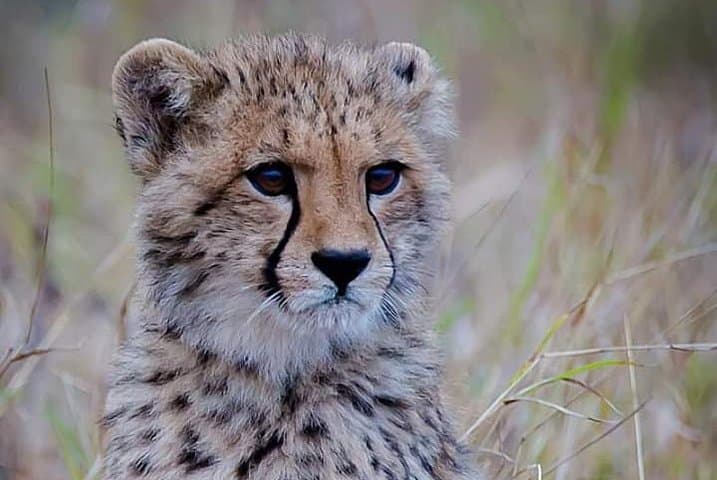
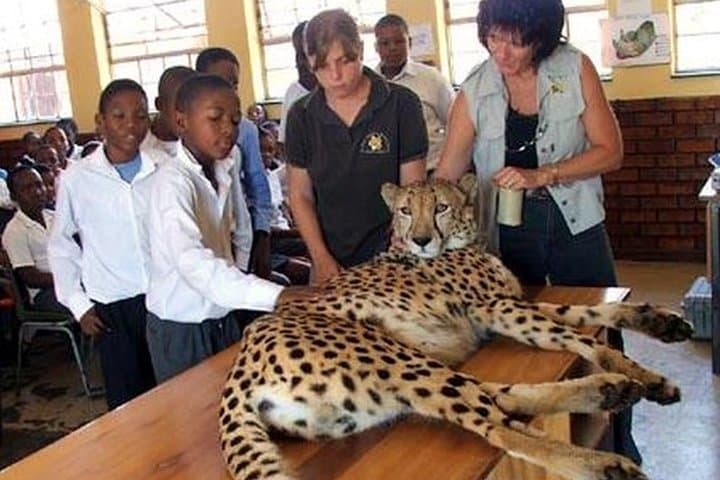
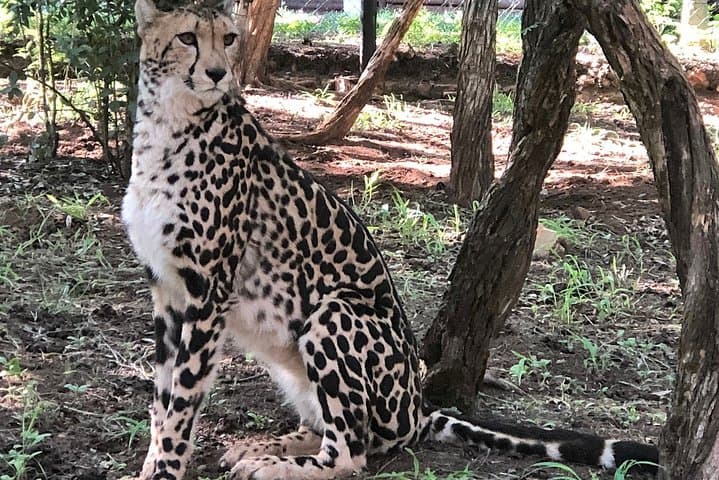
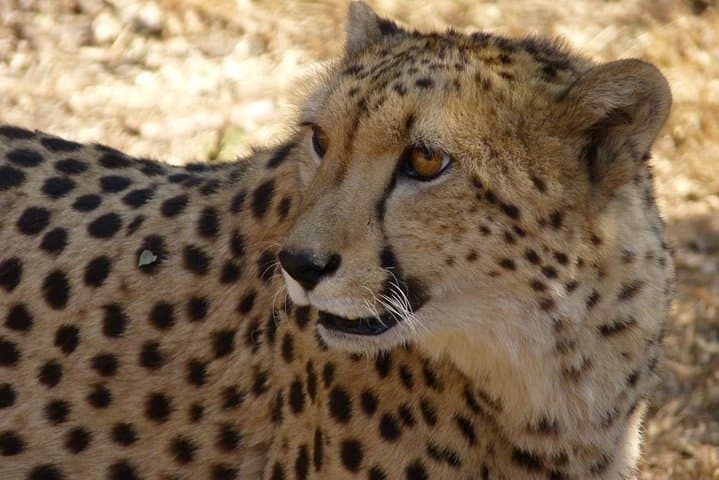
You arrive onto the sun-baked road that skirts the lower shoulders of the Magaliesberg and the air immediately smells of dry grass and dust; somewhere nearby a cheetah’s breath quickens. The Ann van Dyk Cheetah Centre sits low in those foothills, a compact conservation campus where guided groups move between enclosures, observation hides and a short track used for the cheetah run demonstrations.
You arrive onto the sun-baked road that skirts the lower shoulders of the Magaliesberg and the air immediately smells of dry grass and dust; somewhere nearby a cheetah’s breath quickens. The Ann van Dyk Cheetah Centre sits low in those foothills, a compact conservation campus where guided groups move between enclosures, observation hides and a short track used for the cheetah run demonstrations.
Founded to breed and reintroduce southern African carnivores, the centre’s work is tied to the region’s history of farming, land use and growing conservation awareness. Geologically the Magaliesberg is old quartzite and schist — ridgelines carved over billions of years that now frame the centre’s short grasslands and riparian pockets. Culturally, tours attract local families and international visitors curious about predator ecology; the centre emphasizes education and hands-off encounters rather than petting or direct contact.
Expect a 5-hour outing that includes guided viewing of cheetahs, African wild dogs, and brown hyenas, plus birdwatching and the timed cheetah run and feeding demonstration. Guides explain tracking, diet and release efforts while volunteers maintain enclosures and monitoring programs. Practicalities: wear closed-toe shoes, sun protection, and bring binoculars and a camera with a zoom lens. The site is largely wheelchair accessible and the tour is suitable for most fitness levels, but it runs on a schedule — arrive early to avoid heat and catch the runs at optimal light.
This is an experience focused on learning and conservation: you’ll leave with clearer ideas about predator recovery in South Africa and tangible next steps if you want to support rewilding efforts.