THE ADVENTURE COLLECTIVE® · Independent discovery and booking for outdoor travel

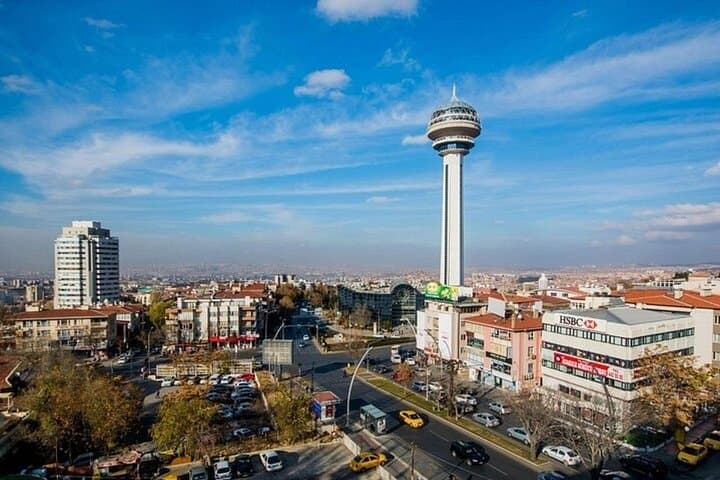
Spend two focused hours moving from Anıtkabir's austere plaza to the narrow lanes beneath Ankara Castle, sampling Ottoman mosques, Roman bath ruins and Ulus Square. This compact guided walk delivers panoramic viewpoints, civic history and practical local insight for first‑time visitors.
Spend two focused hours moving from Anıtkabir's austere plaza to the narrow lanes beneath Ankara Castle, sampling Ottoman mosques, Roman bath ruins and Ulus Square. This compact guided walk delivers panoramic viewpoints, civic history and practical local insight for first‑time visitors.
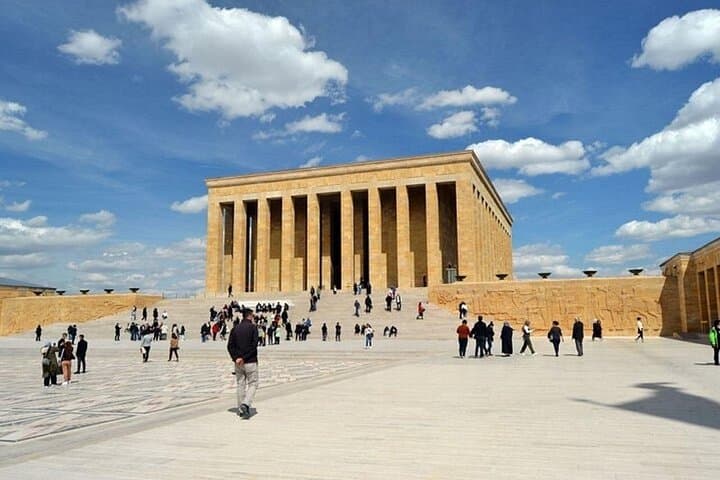
Morning light slides across broad stone steps as you approach Anıtkabir; the mausoleum's clean lines hold the city's civic gravity while vendors set up nearby stalls. The tour moves from that formal opening to the tighter grain of Ulus and the height of Ankara Castle, a compact city walk that folds centuries into two hours.
Verified experiences and guided adventures in the surrounding area.
Operated by Guydeez · Ankara, Ankara
Morning light slides across broad stone steps as you approach Anıtkabir; the mausoleum's clean lines hold the city's civic gravity while vendors set up nearby stalls. The tour moves from that formal opening to the tighter grain of Ulus and the height of Ankara Castle, a compact city walk that folds centuries into two hours.
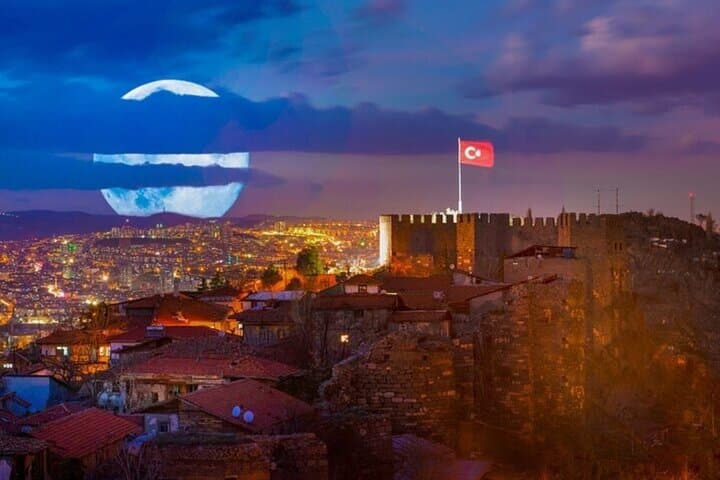
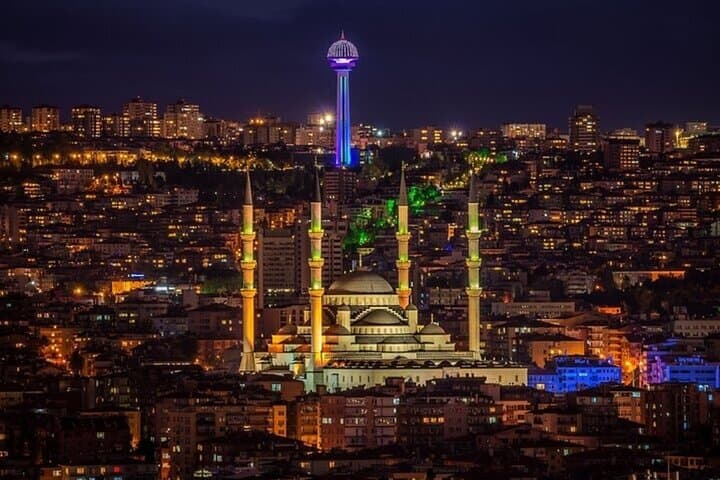
This route threads Ottoman, Roman and republican layers: Hacı Bayram Mosque's Ottoman domes and courtyards; exposed Roman bath foundations with hypocaust fragments; and Atatürk's mausoleum, a 20th‑century proclamation in marble housing exhibits on modern Turkey. The castle sits on an outcrop of Paleozoic limestone and gives a short, handy climb for panoramic views across the plateaus that shape central Anatolia.
Culturally the walk contrasts places of worship, civic commemoration and market life — expect call to prayer from the mosque, brisk conversation in bakery windows, and narrow lanes where artisans still work. The terrain is entirely urban: paved streets, stone steps and short alleyways with an estimated walking distance of 2–3 km and about 50–80 m of cumulative elevation gain when you climb to the citadel.
Practical notes: start early to avoid heat and crowds, wear sturdy walking shoes for cobbles and steps, and bring water and a light layer. The tour is wheelchair‑accessible on public surfaces but does not include interior monument access; guides can help with ticketing logistics. Mobile tickets and small‑group or private options are available; cancelations require 24+ hours for a full refund.
easy.
2 hours.
Suitable for most fitness levels; requires short uphill walks and negotiating steps.
No — this walking tour provides external visits and context; guides can help book entrance tickets separately but entry fees are not included.
Public surfaces on the route are wheelchair accessible, but some monuments and narrow alleys can be difficult to enter; confirm accessibility needs when booking.
In‑person guides are offered in English, Spanish, French and Italian; private tours allow customization of language when available.
For a full refund cancel at least 24 hours before the scheduled departure time; cancellations within 24 hours are non‑refundable.
Anıtkabir commemorates Mustafa Kemal Atatürk, founder of modern Turkey; Ulus and the citadel reflect layers from Roman occupation through Ottoman urban life to republican civic planning.
Archaeological sites are fragile—stay on marked paths, avoid touching exposed mosaics, and follow your guide’s instructions to reduce wear on historic fabric.
Guydeez operates guided outdoor trips and adventures with an emphasis on safety, stewardship, and memorable experiences.
Morning light slides across broad stone steps as you approach Anıtkabir; the mausoleum's clean lines hold the city's civic gravity while vendors set up nearby stalls. The tour moves from that formal opening to the tighter grain of Ulus and the height of Ankara Castle, a compact city walk that folds centuries into two hours.
Morning light slides across broad stone steps as you approach Anıtkabir; the mausoleum's clean lines hold the city's civic gravity while vendors set up nearby stalls. The tour moves from that formal opening to the tighter grain of Ulus and the height of Ankara Castle, a compact city walk that folds centuries into two hours.
This route threads Ottoman, Roman and republican layers: Hacı Bayram Mosque's Ottoman domes and courtyards; exposed Roman bath foundations with hypocaust fragments; and Atatürk's mausoleum, a 20th‑century proclamation in marble housing exhibits on modern Turkey. The castle sits on an outcrop of Paleozoic limestone and gives a short, handy climb for panoramic views across the plateaus that shape central Anatolia.
Culturally the walk contrasts places of worship, civic commemoration and market life — expect call to prayer from the mosque, brisk conversation in bakery windows, and narrow lanes where artisans still work. The terrain is entirely urban: paved streets, stone steps and short alleyways with an estimated walking distance of 2–3 km and about 50–80 m of cumulative elevation gain when you climb to the citadel.
Practical notes: start early to avoid heat and crowds, wear sturdy walking shoes for cobbles and steps, and bring water and a light layer. The tour is wheelchair‑accessible on public surfaces but does not include interior monument access; guides can help with ticketing logistics. Mobile tickets and small‑group or private options are available; cancelations require 24+ hours for a full refund.