THE ADVENTURE COLLECTIVE® · Independent discovery and booking for outdoor travel

Explore Beijing where imperial courtyards meet anime shops: a small-group walking tour that links palace spaces to modern fandom hubs. Expect 4–5 hours of flat walking, cultural insight, and curated stops from Yonghe Palace to Xidan’s Pop Mart.
Explore Beijing where imperial courtyards meet anime shops: a small-group walking tour that links palace spaces to modern fandom hubs. Expect 4–5 hours of flat walking, cultural insight, and curated stops from Yonghe Palace to Xidan’s Pop Mart.
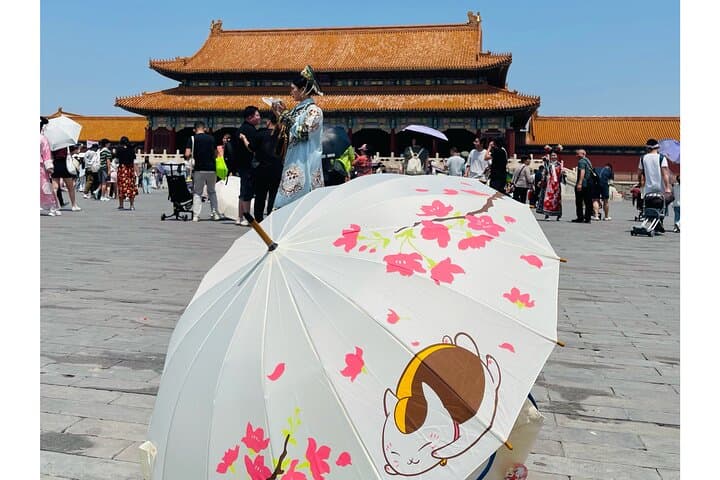
You step through the Meridian Gate and the city shifts: stone courtyards echo with footsteps while a nearby arcade hums with pop–culture chatter. The tour threads imperial architecture and modern fandom, moving from the stately rhythm of palace halls to the neon pull of anime streets and blind-box stalls.
Verified experiences and guided adventures in the surrounding area.
Operated by PackAndGo · Beijing, Beijing
You step through the Meridian Gate and the city shifts: stone courtyards echo with footsteps while a nearby arcade hums with pop–culture chatter. The tour threads imperial architecture and modern fandom, moving from the stately rhythm of palace halls to the neon pull of anime streets and blind-box stalls.
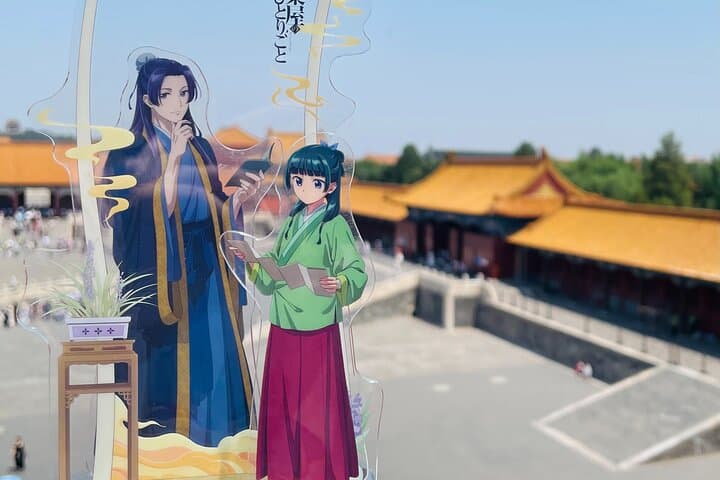
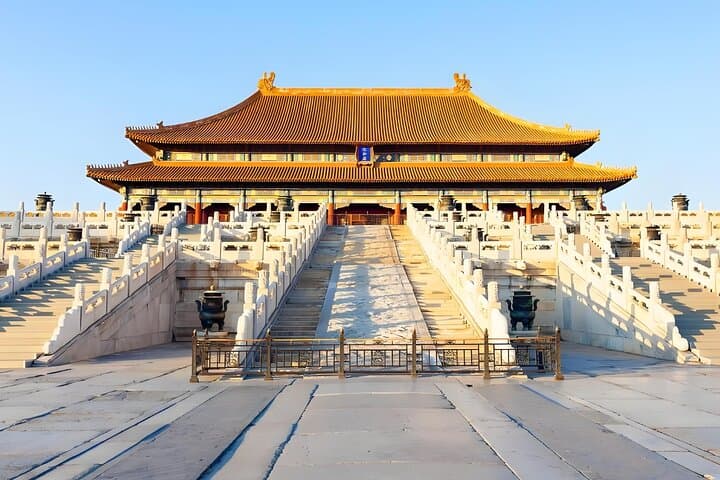
The Forbidden City was the political core of Ming and Qing dynasties; its axial layout and ceremonial spaces shaped court life that anime often dramatizes. Yonghe Palace and an imperial pharmacy hall introduce tangible links to medical lore and court routines, while back gates and service alleys hint at the quieter domestic world that inspires historical fiction and period manga.
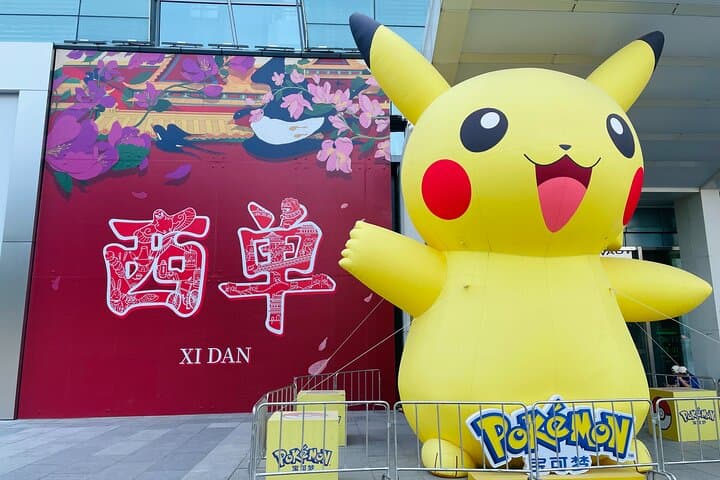
Geology here is urban—granite courtyards, tiled roofs, and the straight lines of imperial planning—but culture layers over stone: storytelling that mixes Confucian ceremony, Qing-era court craft, and contemporary subcultures. Xidan’s Huawei Building and Pop Mart at Joy City show where Beijing’s fan communities gather, bargain, and trade stories.
Practically: expect 4–5 hours of mostly flat walking, frequent stops, and short queues. Purchase Forbidden City tickets in advance if you want entry; this tour can focus on exteriors if tickets aren’t secured. Bring comfortable shoes, a charged phone for digital payments and maps, and a lightweight rain layer in season. The group size is small—up to four—so there’s room for questions, photo stops, and side excursions to hidden shops. Move respectfully through heritage sites, keep noise low in temple spaces, and save time at the end for shopping or a quiet tea break in a side courtyard.
moderate.
4–5 hours.
Suitable for travelers comfortable standing and walking 6–8 km at a relaxed pace with frequent stops.
Not by default—entrance tickets must be purchased in advance or select a tour option that includes them; otherwise the guide will explain exterior landmarks.
Yes; the tour is listed as wheelchair and stroller accessible, though some palace areas require ramps and advance planning for smooth access.
Yes—the guide is English-speaking and anime-savvy, able to link pop-culture references to historical context during the tour.
Yes; stops include Huawei Building Anime Street and Pop Mart in Xidan Joy City where you can shop, though availability and prices vary by vendor.
The Forbidden City served as the Ming and Qing dynastic heart; many interior layouts and room uses shown in popular fiction reflect strict court hierarchies and ceremonial roles.
Respect historic sites by staying on paved paths, avoiding flash photography in sensitive areas, and supporting licensed vendors to help local cultural economies.
PackAndGo operates guided outdoor trips and adventures with an emphasis on safety, stewardship, and memorable experiences.
You step through the Meridian Gate and the city shifts: stone courtyards echo with footsteps while a nearby arcade hums with pop–culture chatter. The tour threads imperial architecture and modern fandom, moving from the stately rhythm of palace halls to the neon pull of anime streets and blind-box stalls.
You step through the Meridian Gate and the city shifts: stone courtyards echo with footsteps while a nearby arcade hums with pop–culture chatter. The tour threads imperial architecture and modern fandom, moving from the stately rhythm of palace halls to the neon pull of anime streets and blind-box stalls.
The Forbidden City was the political core of Ming and Qing dynasties; its axial layout and ceremonial spaces shaped court life that anime often dramatizes. Yonghe Palace and an imperial pharmacy hall introduce tangible links to medical lore and court routines, while back gates and service alleys hint at the quieter domestic world that inspires historical fiction and period manga.
Geology here is urban—granite courtyards, tiled roofs, and the straight lines of imperial planning—but culture layers over stone: storytelling that mixes Confucian ceremony, Qing-era court craft, and contemporary subcultures. Xidan’s Huawei Building and Pop Mart at Joy City show where Beijing’s fan communities gather, bargain, and trade stories.
Practically: expect 4–5 hours of mostly flat walking, frequent stops, and short queues. Purchase Forbidden City tickets in advance if you want entry; this tour can focus on exteriors if tickets aren’t secured. Bring comfortable shoes, a charged phone for digital payments and maps, and a lightweight rain layer in season. The group size is small—up to four—so there’s room for questions, photo stops, and side excursions to hidden shops. Move respectfully through heritage sites, keep noise low in temple spaces, and save time at the end for shopping or a quiet tea break in a side courtyard.