THE ADVENTURE COLLECTIVE® · Independent discovery and booking for outdoor travel

Experience the best of Angkor Park in one sunrise-focused day with a private guide and driver. Visit seven iconic temples while avoiding crowds, learning local history, and getting practical tips for a respectful visit.
Experience the best of Angkor Park in one sunrise-focused day with a private guide and driver. Visit seven iconic temples while avoiding crowds, learning local history, and getting practical tips for a respectful visit.
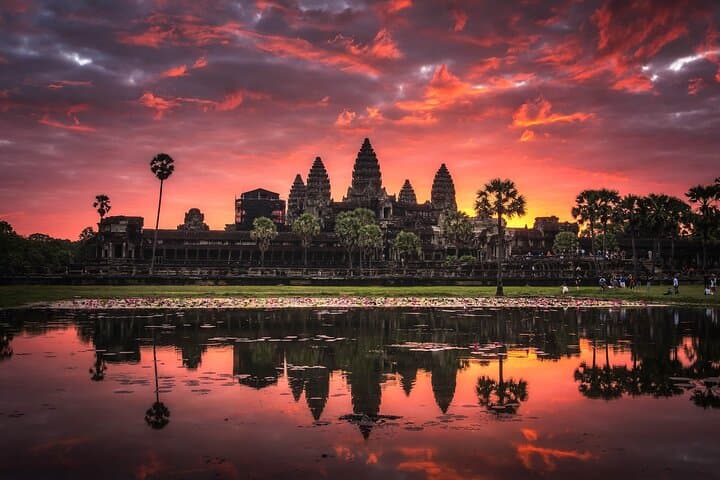
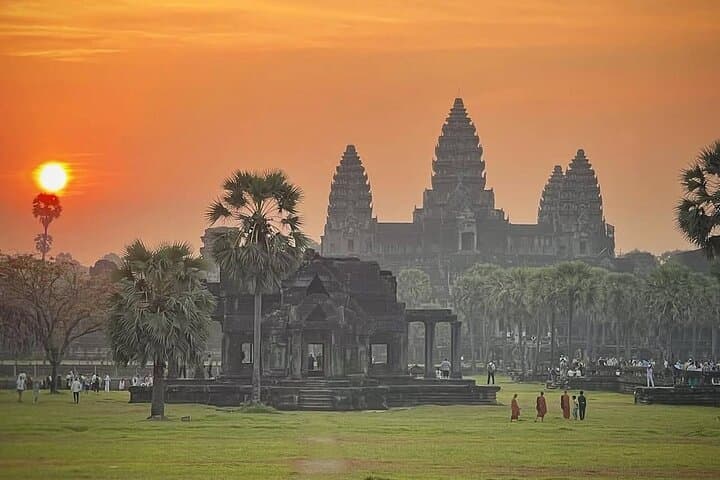
A low mist clings to the moat as headlights cut across the road toward Angkor Park. By the time the bus doors open, prayer flags and carved faces come into focus: the park breathes history and the stones seem to watch you arrive. This private guided tour squeezes the highlights — seven temples — into a single, sunrise-centered day, paced with cool towels, bottled water, and an air-conditioned vehicle to return between sites.
Verified experiences and guided adventures in the surrounding area.
Operated by Around Cambodia Travel · Siem Reap, Siem Reap Province
A low mist clings to the moat as headlights cut across the road toward Angkor Park. By the time the bus doors open, prayer flags and carved faces come into focus: the park breathes history and the stones seem to watch you arrive. This private guided tour squeezes the highlights — seven temples — into a single, sunrise-centered day, paced with cool towels, bottled water, and an air-conditioned vehicle to return between sites.
Angkor's temples span the 9th–13th centuries, built by Khmer kings from laterite and sandstone; Angkor Wat and Bayon bookend a period of imperial ambition and devotional architecture. Geology here is simple but telling: sandstone blocks quarried and hauled from nearby ridges sit atop a laterite foundation that swells and shrinks with seasonal rains, creating the temple lines and sunlit shadow play visitors notice at dawn.
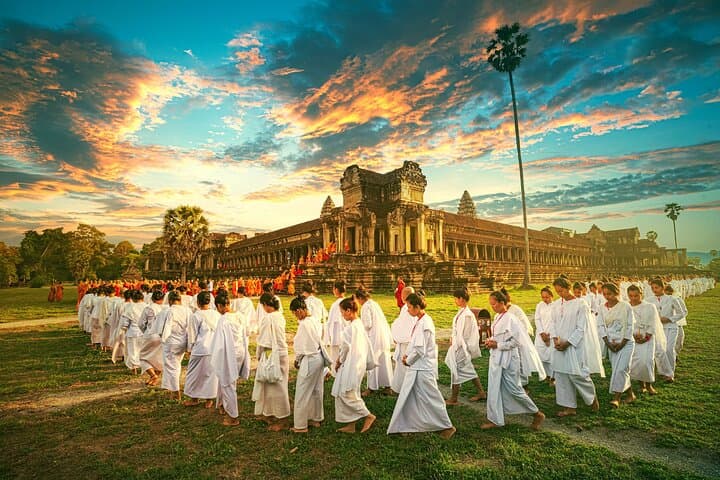
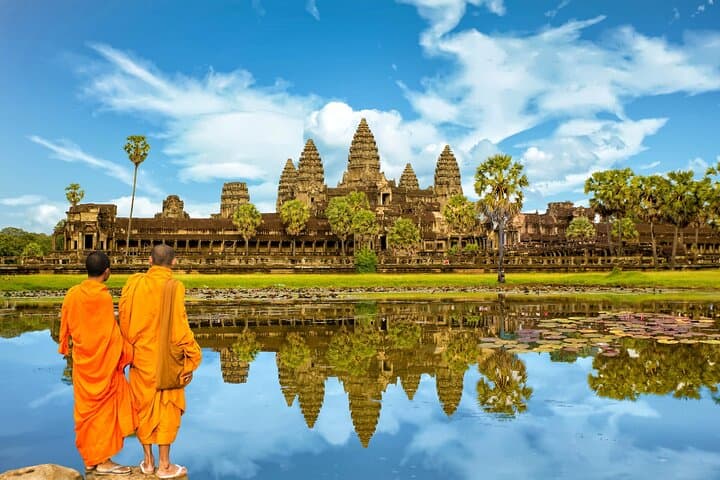
Culturally, the complex remains a living place of worship and memory — monks still chant, and bas-reliefs tell myths and daily life. Local guides point out details a map misses: lintel carvings reused from earlier buildings, water-management features that supported the city, and the little market stalls cropping up by the main gates.
Practical guidance: expect 6–7 hours including transport and breaks; wear modest clothing (knees and shoulders covered), sturdy walking shoes, and bring cash for temple entry and tips. Sunrise means cooler temperatures but an early start — carry water and a light rain layer in the wet season. Move deliberately between sites to avoid midday crowds and use your guide to parse sculpted narratives that would otherwise be easy to miss.
easy.
6–7 hours.
Suitable for those comfortable with several hours of mostly flat walking and multiple short stair sections; low-impact mobility needed for uneven stone and steps.
The private tour lasts about 6–7 hours (360–420 minutes) and is scheduled to include sunrise, so expect an early pickup—typically before dawn to reach Angkor Wat for sunrise.
Temple admission is not included in the tour price; travelers must purchase the Angkor Archaeological Park pass (cash or card where accepted) before entering.
Yes — the itinerary is rated easy and suitable for all fitness levels, though those with limited mobility should note uneven stones and some stairs at temple sites.
This specific listing provides an English-speaking guide; check at booking for additional language needs or requests.
Angkor was the capital of the Khmer Empire from roughly the 9th to the 15th centuries; the sites visited reflect shifts in royal patronage and religious practice from Hinduism to Buddhism.
Visitor foot traffic stresses fragile sandstone and painted surfaces; use established paths, avoid touching carvings, and support local conservation initiatives when possible.
Around Cambodia Travel operates guided outdoor trips and adventures with an emphasis on safety, stewardship, and memorable experiences.
A low mist clings to the moat as headlights cut across the road toward Angkor Park. By the time the bus doors open, prayer flags and carved faces come into focus: the park breathes history and the stones seem to watch you arrive. This private guided tour squeezes the highlights — seven temples — into a single, sunrise-centered day, paced with cool towels, bottled water, and an air-conditioned vehicle to return between sites.
A low mist clings to the moat as headlights cut across the road toward Angkor Park. By the time the bus doors open, prayer flags and carved faces come into focus: the park breathes history and the stones seem to watch you arrive. This private guided tour squeezes the highlights — seven temples — into a single, sunrise-centered day, paced with cool towels, bottled water, and an air-conditioned vehicle to return between sites.
Angkor's temples span the 9th–13th centuries, built by Khmer kings from laterite and sandstone; Angkor Wat and Bayon bookend a period of imperial ambition and devotional architecture. Geology here is simple but telling: sandstone blocks quarried and hauled from nearby ridges sit atop a laterite foundation that swells and shrinks with seasonal rains, creating the temple lines and sunlit shadow play visitors notice at dawn.
Culturally, the complex remains a living place of worship and memory — monks still chant, and bas-reliefs tell myths and daily life. Local guides point out details a map misses: lintel carvings reused from earlier buildings, water-management features that supported the city, and the little market stalls cropping up by the main gates.
Practical guidance: expect 6–7 hours including transport and breaks; wear modest clothing (knees and shoulders covered), sturdy walking shoes, and bring cash for temple entry and tips. Sunrise means cooler temperatures but an early start — carry water and a light rain layer in the wet season. Move deliberately between sites to avoid midday crowds and use your guide to parse sculpted narratives that would otherwise be easy to miss.