THE ADVENTURE COLLECTIVE® · Independent discovery and booking for outdoor travel

See Angkor Wat at sunrise, trace Khmer history through temple complexes, and cool off beneath Phnom Kulen’s waterfall on a focused three‑day route. This tour combines iconic viewpoints with quieter temple visits and practical local insights.
See Angkor Wat at sunrise, trace Khmer history through temple complexes, and cool off beneath Phnom Kulen’s waterfall on a focused three‑day route. This tour combines iconic viewpoints with quieter temple visits and practical local insights.
Morning light slices across Angkor’s causeways as you arrive for sunrise: the moat still, the towers catching color while tuk‑tuks and guides whisper logistics. Over three days this itinerary pushes from the great symmetry of Angkor Wat to the raw, mossed stones of Banteay Srei and the rushing, rock‑carved bed of Phnom Kulen where the river dares you to step closer.
Verified experiences and guided adventures in the surrounding area.
Operated by Angkor Dynasty Travel · Siem Reap, Siem Reap Province
Morning light slices across Angkor’s causeways as you arrive for sunrise: the moat still, the towers catching color while tuk‑tuks and guides whisper logistics. Over three days this itinerary pushes from the great symmetry of Angkor Wat to the raw, mossed stones of Banteay Srei and the rushing, rock‑carved bed of Phnom Kulen where the river dares you to step closer.
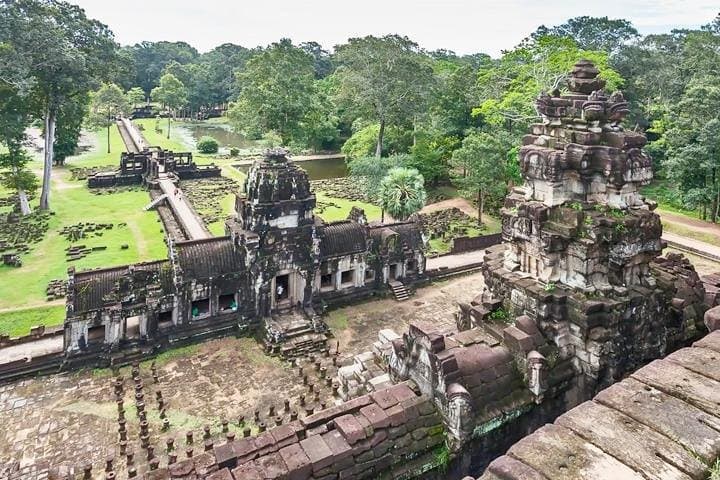
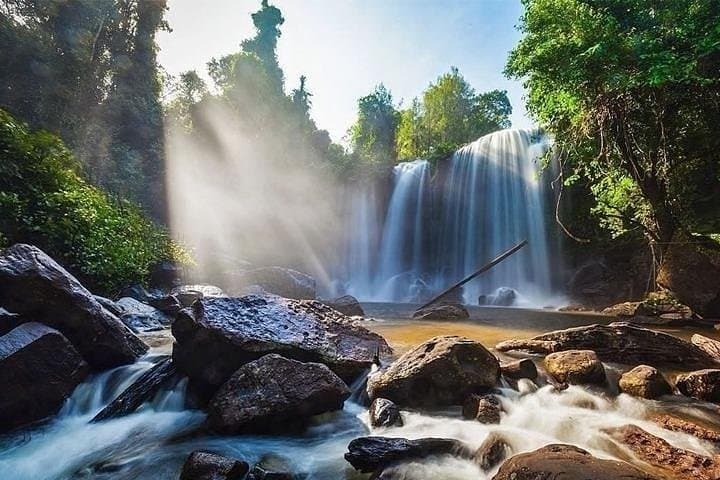
These sites trace the Khmer Empire’s arc — Angkor Wat (12th century) raised by Suryavarman II as a Hindu state temple, later layered with Buddhist practice; Jayavarman VII’s provincial monastic complexes reveal a different, more monumental ambition. Geologically the plains are sandstone and laterite, with Phnom Kulen’s uplands feeding seasonal cascades that shaped the ancient sacred hydraulics, including the carved lingas under the riverbed used for ritual water.
Culture here is hands‑on: stone carvers in Banteay Srei’s village still shape the pink sandstone motifs you’ll study at close range, and local markets sell lacquer and silk as practical souvenirs. Practical matters matter: you’ll need a 3‑day Angkor pass, modest temple dress (shoulders/knees covered), and a guide to manage access to congested spots like Phnom Bakheng at sunset.
Expect long days of walking on uneven stone, short jungle hikes at Kulen, and a mix of air‑conditioned transfers and shaded strolls through ruins. Bring layered, breathable clothing, sun and mosquito protection, refillable water, and modest respect for conservation rules — these monuments are fragile and the best visits are the ones that leave them intact.
moderate.
3 days.
Moderate fitness: several hours of walking on uneven stone and short jungle trails; able to climb temple steps and tolerate full days in heat.
Yes — a 3‑day Angkor pass is included per the itinerary; guides typically arrange or direct you to the ticket center on day one.
Yes, swimming is common where conditions are safe, but watch for slippery rocks and local signage; avoid swimming after heavy rain.
Dress modestly: cover shoulders and knees. Avoid tank tops and short shorts; a sarong or lightweight cover‑up works well.
Sunrise pickups are usually around 4:30–5:00 a.m. depending on season to reach viewpoints before crowds and catch full light on the towers.
Angkor’s monuments reflect an evolving Khmer state: 10th–12th century Hindu foundations later adapted by Buddhist kings like Jayavarman VII, creating layered religious landscapes.
Visitor impact is managed through ticketing and restricted access to vulnerable sites; follow paths, avoid touching bas‑reliefs, and hire licensed guides who support sustainable tourism.
Angkor Dynasty Travel operates guided outdoor trips and adventures with an emphasis on safety, stewardship, and memorable experiences.
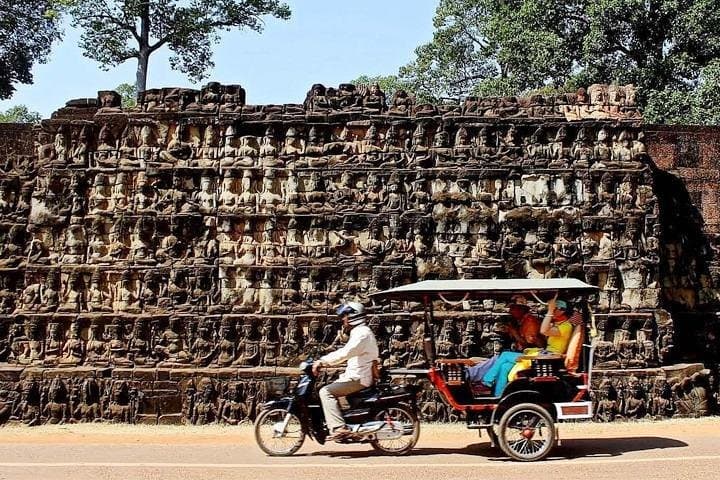
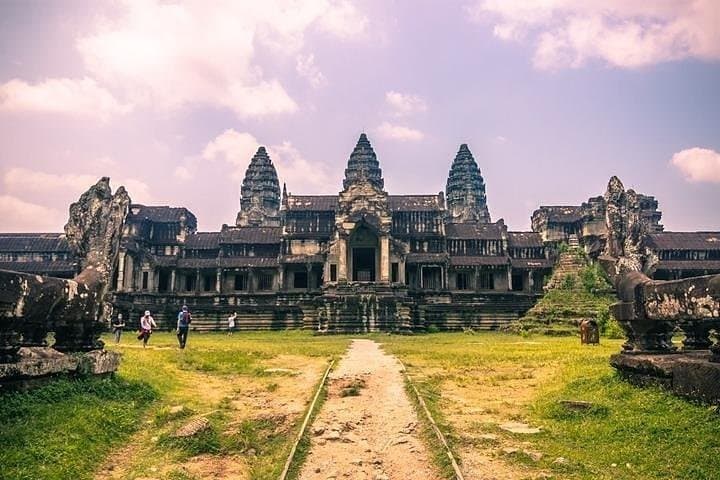
Morning light slices across Angkor’s causeways as you arrive for sunrise: the moat still, the towers catching color while tuk‑tuks and guides whisper logistics. Over three days this itinerary pushes from the great symmetry of Angkor Wat to the raw, mossed stones of Banteay Srei and the rushing, rock‑carved bed of Phnom Kulen where the river dares you to step closer.
Morning light slices across Angkor’s causeways as you arrive for sunrise: the moat still, the towers catching color while tuk‑tuks and guides whisper logistics. Over three days this itinerary pushes from the great symmetry of Angkor Wat to the raw, mossed stones of Banteay Srei and the rushing, rock‑carved bed of Phnom Kulen where the river dares you to step closer.
These sites trace the Khmer Empire’s arc — Angkor Wat (12th century) raised by Suryavarman II as a Hindu state temple, later layered with Buddhist practice; Jayavarman VII’s provincial monastic complexes reveal a different, more monumental ambition. Geologically the plains are sandstone and laterite, with Phnom Kulen’s uplands feeding seasonal cascades that shaped the ancient sacred hydraulics, including the carved lingas under the riverbed used for ritual water.
Culture here is hands‑on: stone carvers in Banteay Srei’s village still shape the pink sandstone motifs you’ll study at close range, and local markets sell lacquer and silk as practical souvenirs. Practical matters matter: you’ll need a 3‑day Angkor pass, modest temple dress (shoulders/knees covered), and a guide to manage access to congested spots like Phnom Bakheng at sunset.
Expect long days of walking on uneven stone, short jungle hikes at Kulen, and a mix of air‑conditioned transfers and shaded strolls through ruins. Bring layered, breathable clothing, sun and mosquito protection, refillable water, and modest respect for conservation rules — these monuments are fragile and the best visits are the ones that leave them intact.