THE ADVENTURE COLLECTIVE® · Independent discovery and booking for outdoor travel

Explore Angkor Wat, Ta Prohm, Angkor Thom and Bayon in a single day from Siem Reap. This guided small‑group tour covers the highlights with hotel pickup, temple history, and practical tips for navigating the park.
Explore Angkor Wat, Ta Prohm, Angkor Thom and Bayon in a single day from Siem Reap. This guided small‑group tour covers the highlights with hotel pickup, temple history, and practical tips for navigating the park.
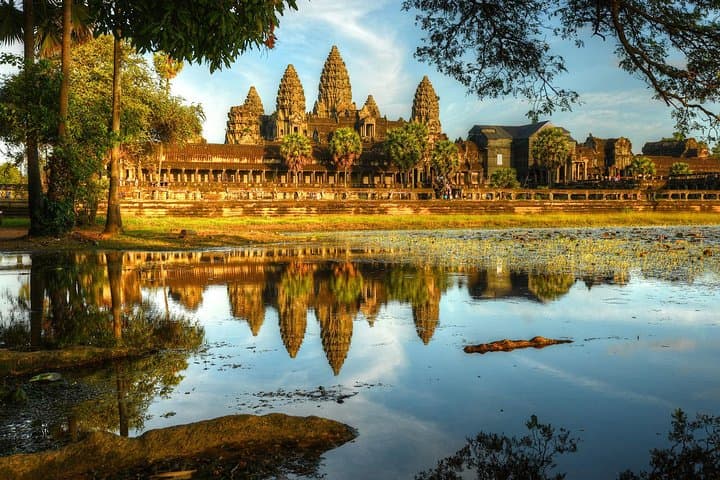
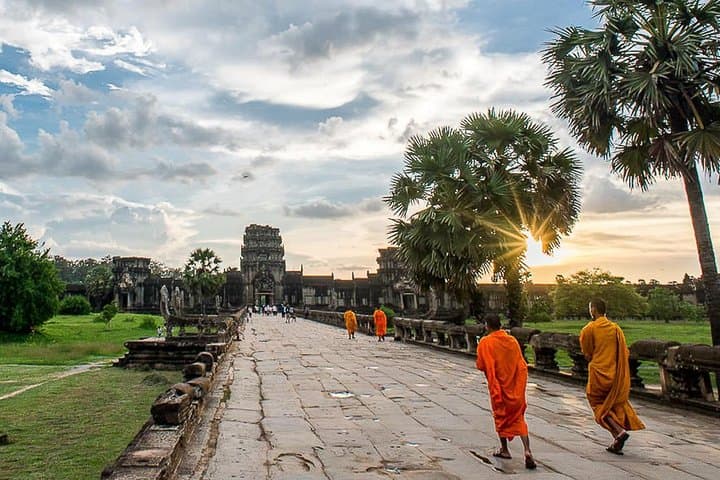
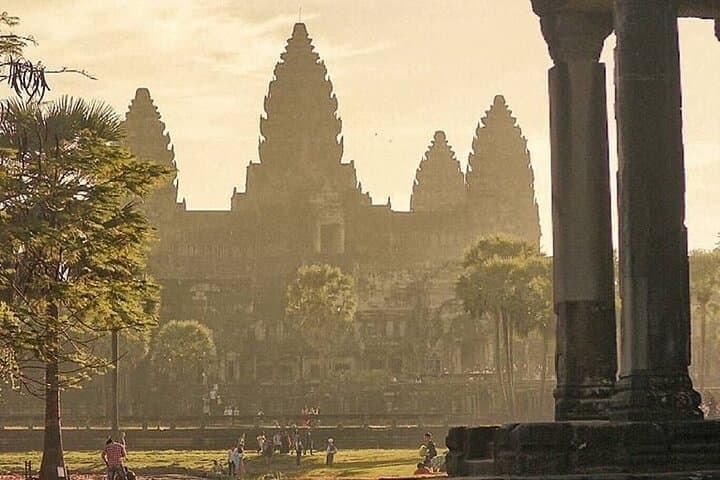
You arrive before the heat, tuk‑tuk idling as the light edges across the broad causeway of Angkor Wat. Stone bas‑reliefs cool under dawn; the first long steps feel like stepping into the Khmer Empire’s memory.
Verified experiences and guided adventures in the surrounding area.
Operated by VHappyTravel · Siem Reap, Siem Reap Province
You arrive before the heat, tuk‑tuk idling as the light edges across the broad causeway of Angkor Wat. Stone bas‑reliefs cool under dawn; the first long steps feel like stepping into the Khmer Empire’s memory.
This full‑day route threads four of Angkor Archaeological Park’s essentials: Angkor Wat’s symmetrical galleries, the jungle‑entwined ruins of Ta Prohm where strangler figs and silk‑cotton trees press roots into sandstone, the fortified plan of Angkor Thom, and Bayon with its forest of carved smiling faces. Geologically the monuments sit on a laterite and sandstone platform that resisted jungle soils, a reason so much of the masonry still stands after a thousand years.
Culturally, these sites map the rise of the Khmer state from the 9th to 15th centuries; your guide will explain temple iconography, hydraulic systems, and daily life from inscriptions and bas‑reliefs.
Practically, expect 5–6 hours of touring with multiple short walks, uneven stone surfaces, and steep temple steps rather than continuous elevation gain. Purchase an Angkor pass at the ticket center (approx. US$37 for a one‑day pass) and bring cash for lunch and donations. Comfortable, modest clothing is required at active temples; early starts avoid heat and crowds. Hydrate frequently, wear sturdy shoes for slippery or worn stone, and allow time at each site to read the carvings—those details are where the history lives.
This itinerary is accessibly paced for most walkers but rewards patience and respect: look, listen, and leave no trace.
moderate.
5–6 hours.
Moderate fitness for repeated short walks, stair climbs and standing during explanations; able to walk several kilometers on uneven ground.
Yes—an Angkor pass is required. You can buy it at the official ticket center near the park; some tour operators may include the pass, so confirm before you go.
Expect several short walks across temple grounds totaling a few kilometers, plus steep stone steps and uneven surfaces; the day is paced with stops and explanations.
Basic restrooms and small food stalls exist near major temples and the ticket center; plan to bring cash for lunch and snacks during the tour.
Early morning (sunrise at Angkor Wat) and late afternoon offer the best light and slightly fewer visitors; midday can be very crowded and hot.
The Angkor complex was the political and religious center of the Khmer Empire from roughly the 9th to 15th centuries; temple iconography reflects Hindu and later Buddhist influences.
Visitor pressure and tropical vegetation challenge preservation; follow marked paths, avoid touching carvings, and support local guides who promote site protection.
VHappyTravel operates guided outdoor trips and adventures with an emphasis on safety, stewardship, and memorable experiences.

You arrive before the heat, tuk‑tuk idling as the light edges across the broad causeway of Angkor Wat. Stone bas‑reliefs cool under dawn; the first long steps feel like stepping into the Khmer Empire’s memory.
You arrive before the heat, tuk‑tuk idling as the light edges across the broad causeway of Angkor Wat. Stone bas‑reliefs cool under dawn; the first long steps feel like stepping into the Khmer Empire’s memory.
This full‑day route threads four of Angkor Archaeological Park’s essentials: Angkor Wat’s symmetrical galleries, the jungle‑entwined ruins of Ta Prohm where strangler figs and silk‑cotton trees press roots into sandstone, the fortified plan of Angkor Thom, and Bayon with its forest of carved smiling faces. Geologically the monuments sit on a laterite and sandstone platform that resisted jungle soils, a reason so much of the masonry still stands after a thousand years.
Culturally, these sites map the rise of the Khmer state from the 9th to 15th centuries; your guide will explain temple iconography, hydraulic systems, and daily life from inscriptions and bas‑reliefs.
Practically, expect 5–6 hours of touring with multiple short walks, uneven stone surfaces, and steep temple steps rather than continuous elevation gain. Purchase an Angkor pass at the ticket center (approx. US$37 for a one‑day pass) and bring cash for lunch and donations. Comfortable, modest clothing is required at active temples; early starts avoid heat and crowds. Hydrate frequently, wear sturdy shoes for slippery or worn stone, and allow time at each site to read the carvings—those details are where the history lives.
This itinerary is accessibly paced for most walkers but rewards patience and respect: look, listen, and leave no trace.