THE ADVENTURE COLLECTIVE® · Independent discovery and booking for outdoor travel

A one-day, long-distance tour from Phnom Penh to Angkor Park covering Angkor Wat, Ta Prohm and Bayon; expect heavy travel time, warm conditions, and concentrated walking on uneven stone. Read on for what to pack and how to handle the logistics.
A one-day, long-distance tour from Phnom Penh to Angkor Park covering Angkor Wat, Ta Prohm and Bayon; expect heavy travel time, warm conditions, and concentrated walking on uneven stone. Read on for what to pack and how to handle the logistics.
You arrive before dawn to a cooling stretch of red earth and the silhouettes of towers—Angkor’s stone faces and strangler figs outline the skyline like a city awakening.
Verified experiences and guided adventures in the surrounding area.
Operated by Cambodia Taxi Driver · Siem Reap, Siem Reap Province
You arrive before dawn to a cooling stretch of red earth and the silhouettes of towers—Angkor’s stone faces and strangler figs outline the skyline like a city awakening.
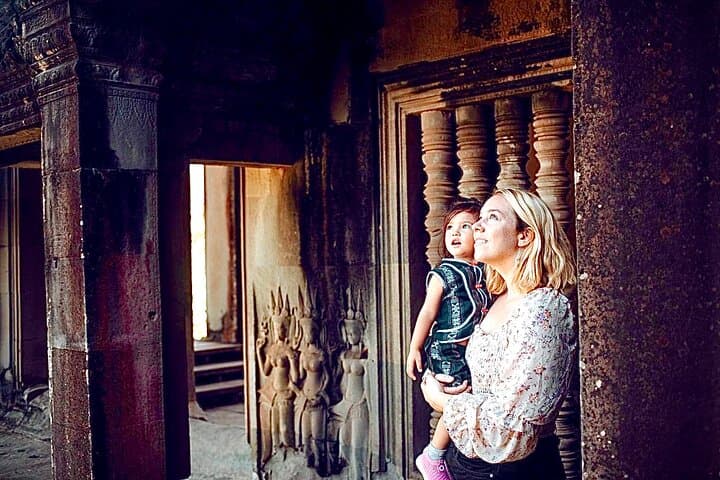
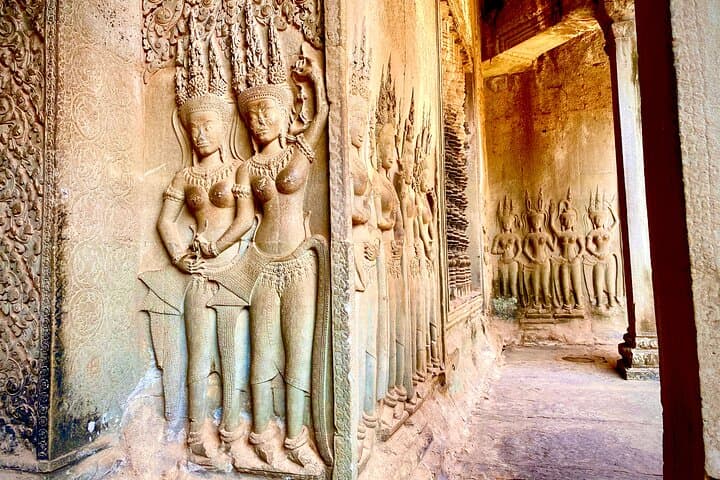
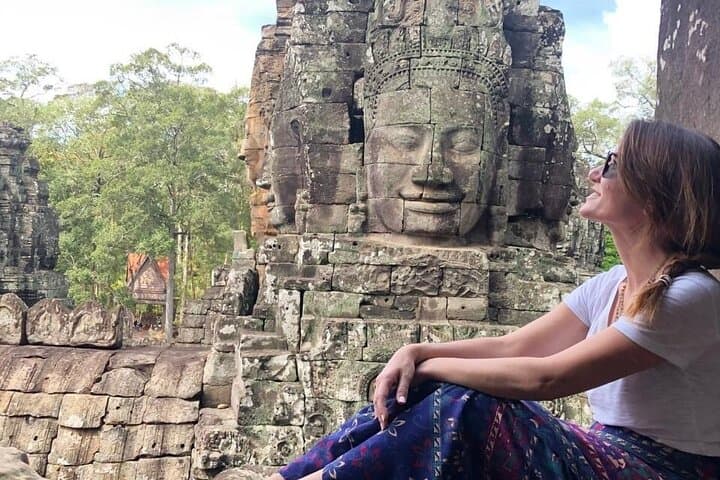
This full-day circuit from Phnom Penh moves fast: a five- to six-hour transfer to Siem Reap, a walk through the bas-reliefs of Angkor Wat, lunch, a trapped-forest scene at Ta Prohm, and the Buddha faces of Bayon within Angkor Thom. The temples sit on an alluvial plain formed by the Tonlé Sap basin; their sandstone blocks and laterite cores were quarried and moved by Khmer engineers during the empire’s peak from the 9th to 13th centuries.
Culturally the site spans Hindu and Mahayana Buddhist iconography, with later restorations layered over centuries. Local guides link inscriptions and bas-reliefs to ceremony, agriculture and the reign of Jayavarman VII, who shaped Bayon’s monumental faces.
Practical notes: buy the Angkor Archaeological Park pass at the ticket center (current day-pass fee applies), wear breathable, respectful clothing that covers shoulders and knees, and expect uneven laterite steps and shaded ruins where tree roots will tug at sandals. Bring cash for tickets, tips and lunches; phone service and ATMs are available in Siem Reap but limited inside the park.
This itinerary is long—plan for a 16–18 hour day including transit—so hydrate, pace your photography, and let the stones set the rhythm. If you prefer a gentler visit, consider staying overnight in Siem Reap to split the temples across two half-days.
moderate.
16–18 hours.
Good stamina for a long travel day; able to walk on uneven ground for up to 2–3 hours total with short breaks.
Expect roughly five to six hours each way by road including short restroom and coffee stops—weekend and holiday traffic can extend travel time.
Admission is not included in most day-trip prices; purchase the Angkor Archaeological Park pass at the official ticket center (day-pass fee applies).
Yes—the itinerary typically includes an English-speaking guide who accompanies you at key temples and a driver who handles transfers and photo stops as requested.
Lunch is generally not included; the schedule allows a 45–60 minute lunch/coffee break in Siem Reap where you can choose from local restaurants.
Angkor was the political and spiritual heart of the Khmer Empire (9th–15th centuries); many temples were built as state temples and later repurposed with Buddhist imagery under rulers like Jayavarman VII.
Angkor Archaeological Park is managed by APSARA Authority; visitors should stay on marked paths, avoid climbing unstable structures, and minimize single-use plastics to reduce wear on the monuments and surrounding environment.
Cambodia Taxi Driver operates guided outdoor trips and adventures with an emphasis on safety, stewardship, and memorable experiences.

You arrive before dawn to a cooling stretch of red earth and the silhouettes of towers—Angkor’s stone faces and strangler figs outline the skyline like a city awakening.
You arrive before dawn to a cooling stretch of red earth and the silhouettes of towers—Angkor’s stone faces and strangler figs outline the skyline like a city awakening.
This full-day circuit from Phnom Penh moves fast: a five- to six-hour transfer to Siem Reap, a walk through the bas-reliefs of Angkor Wat, lunch, a trapped-forest scene at Ta Prohm, and the Buddha faces of Bayon within Angkor Thom. The temples sit on an alluvial plain formed by the Tonlé Sap basin; their sandstone blocks and laterite cores were quarried and moved by Khmer engineers during the empire’s peak from the 9th to 13th centuries.
Culturally the site spans Hindu and Mahayana Buddhist iconography, with later restorations layered over centuries. Local guides link inscriptions and bas-reliefs to ceremony, agriculture and the reign of Jayavarman VII, who shaped Bayon’s monumental faces.
Practical notes: buy the Angkor Archaeological Park pass at the ticket center (current day-pass fee applies), wear breathable, respectful clothing that covers shoulders and knees, and expect uneven laterite steps and shaded ruins where tree roots will tug at sandals. Bring cash for tickets, tips and lunches; phone service and ATMs are available in Siem Reap but limited inside the park.
This itinerary is long—plan for a 16–18 hour day including transit—so hydrate, pace your photography, and let the stones set the rhythm. If you prefer a gentler visit, consider staying overnight in Siem Reap to split the temples across two half-days.