THE ADVENTURE COLLECTIVE® · Independent discovery and booking for outdoor travel

Catch Angkor Wat at its most luminous on a private sunrise tour that pairs iconic viewpoints with quieter temple circuits. This full‑day guide gives context, timing and practical steps to make the most of the complex’s history and heat.
Catch Angkor Wat at its most luminous on a private sunrise tour that pairs iconic viewpoints with quieter temple circuits. This full‑day guide gives context, timing and practical steps to make the most of the complex’s history and heat.
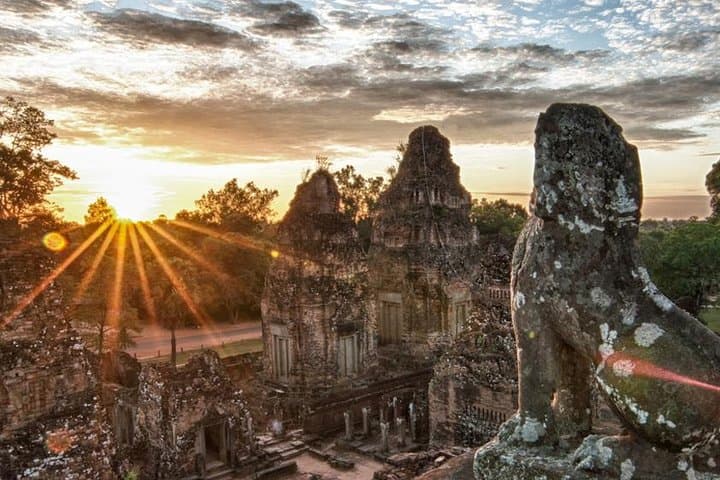
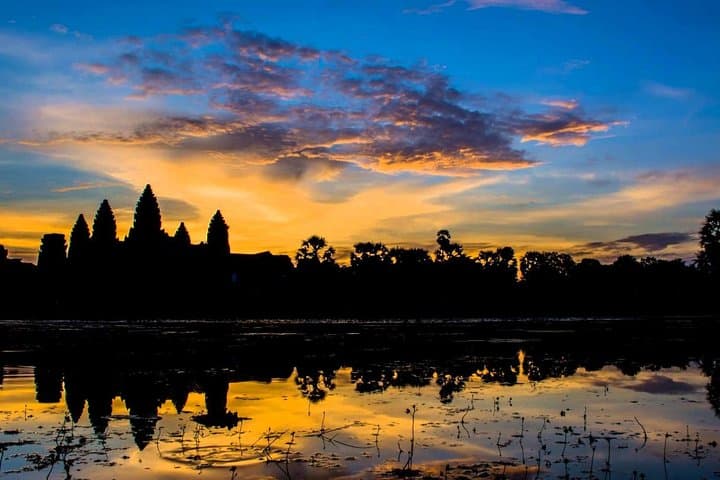
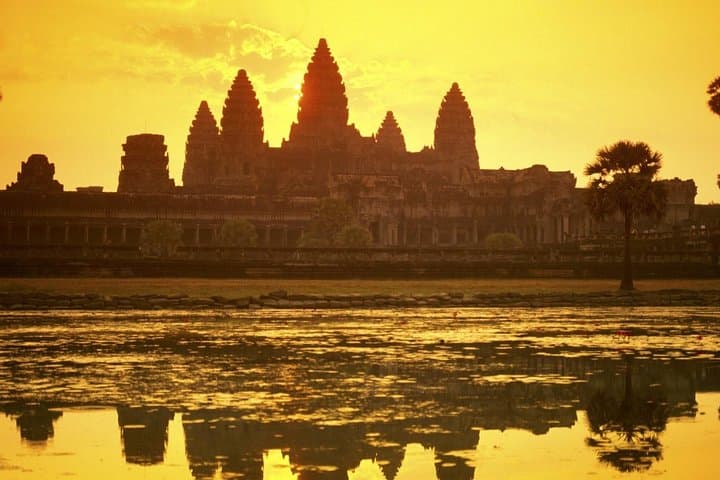
Before dawn the moat mirrors the sky and stone silhouettes sharpen into relief: this is the window when Angkor wakes. You will arrive by private vehicle while the light is still thin, the air humid and cooler than the midday heat that follows. As the sun edges up behind Angkor Wat’s central towers, reflections tremble and the site feels less like a tourist stop and more like an awakening.
Verified experiences and guided adventures in the surrounding area.
Operated by Angkor Wat Travel Tour · Siem Reap, Siem Reap Province
Before dawn the moat mirrors the sky and stone silhouettes sharpen into relief: this is the window when Angkor wakes. You will arrive by private vehicle while the light is still thin, the air humid and cooler than the midday heat that follows. As the sun edges up behind Angkor Wat’s central towers, reflections tremble and the site feels less like a tourist stop and more like an awakening.
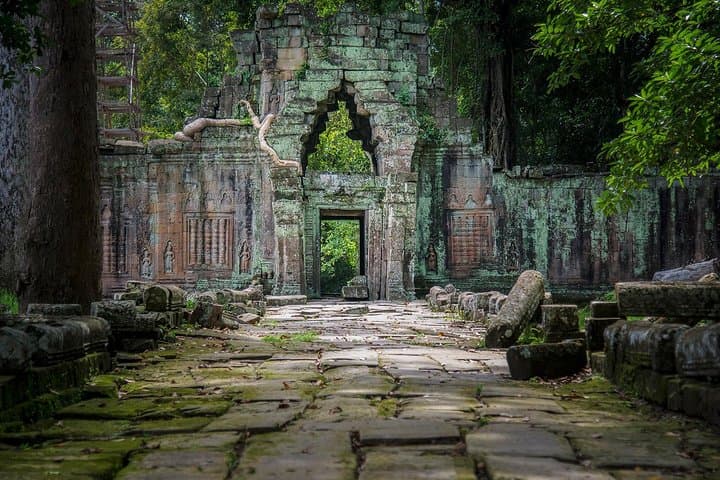
Angkor Wat itself dates to the early 12th century, built as a state-temple by King Suryavarman II; nearby Angkor Thom and its Bayon faces were finished under Jayavarman VII in the late 12th century. The temples are carved from sandstone and laterite, their galleries telling stories in bas‑relief while roots and fig trees press against creaking lintels at Ta Prohm.
A private guide moves the day efficiently—timing sunrise shots, steering through corridors at Angkor Thom, and explaining the ritual and royal functions of terraces and chapels. Expect a mix of flat causeways, stepped temple platforms and uneven stone floors; humidity, insects and crowds shape the practical rhythm of the day.
Plan to buy an Angkor pass before entering, dress conservatively (shoulders and knees covered), and bring water, sun protection and a light rain layer depending on season. Photography is excellent at first light and again late afternoon; mid‑day is best for quieter inner galleries. The tour offers air‑conditioned transport, cold towels and a knowledgeable English guide, but temple admission isn’t included — factor that into timing and budget. Move deliberately and respectfully here: these ruins are active cultural touchstones under ongoing restoration.
easy.
8 hours.
Suitable for most fitness levels; plan on moderate walking on uneven stone, short stair climbs and standing for photo stops.
No — the tour description indicates admission is not included; buy your Angkor pass at the official ticket office (passport required) before entry.
Conservative clothing that covers shoulders and knees is required for most temple sanctuaries; lightweight fabrics are recommended for humidity.
Yes, but children must be accompanied by an adult and infants may be required to sit on a lap during transport; check the operator’s age policies when booking.
Yes — sunrise photography is popular; tripods and drones may be restricted in certain areas, so follow guide and onsite rules.
Angkor Wat was constructed in the early 12th century by King Suryavarman II as a Hindu state temple and later became a major Buddhist site; Angkor Thom and the Bayon were largely completed under Jayavarman VII in the late 12th century.
Conservation is ongoing under Cambodia’s APSARA Authority and international teams; stay on designated paths, avoid touching fragile carvings, and support local guides to reduce impact.
Angkor Wat Travel Tour operates guided outdoor trips and adventures with an emphasis on safety, stewardship, and memorable experiences.
Before dawn the moat mirrors the sky and stone silhouettes sharpen into relief: this is the window when Angkor wakes. You will arrive by private vehicle while the light is still thin, the air humid and cooler than the midday heat that follows. As the sun edges up behind Angkor Wat’s central towers, reflections tremble and the site feels less like a tourist stop and more like an awakening.
Before dawn the moat mirrors the sky and stone silhouettes sharpen into relief: this is the window when Angkor wakes. You will arrive by private vehicle while the light is still thin, the air humid and cooler than the midday heat that follows. As the sun edges up behind Angkor Wat’s central towers, reflections tremble and the site feels less like a tourist stop and more like an awakening.
Angkor Wat itself dates to the early 12th century, built as a state-temple by King Suryavarman II; nearby Angkor Thom and its Bayon faces were finished under Jayavarman VII in the late 12th century. The temples are carved from sandstone and laterite, their galleries telling stories in bas‑relief while roots and fig trees press against creaking lintels at Ta Prohm.
A private guide moves the day efficiently—timing sunrise shots, steering through corridors at Angkor Thom, and explaining the ritual and royal functions of terraces and chapels. Expect a mix of flat causeways, stepped temple platforms and uneven stone floors; humidity, insects and crowds shape the practical rhythm of the day.
Plan to buy an Angkor pass before entering, dress conservatively (shoulders and knees covered), and bring water, sun protection and a light rain layer depending on season. Photography is excellent at first light and again late afternoon; mid‑day is best for quieter inner galleries. The tour offers air‑conditioned transport, cold towels and a knowledgeable English guide, but temple admission isn’t included — factor that into timing and budget. Move deliberately and respectfully here: these ruins are active cultural touchstones under ongoing restoration.