THE ADVENTURE COLLECTIVE® · Independent discovery and booking for outdoor travel

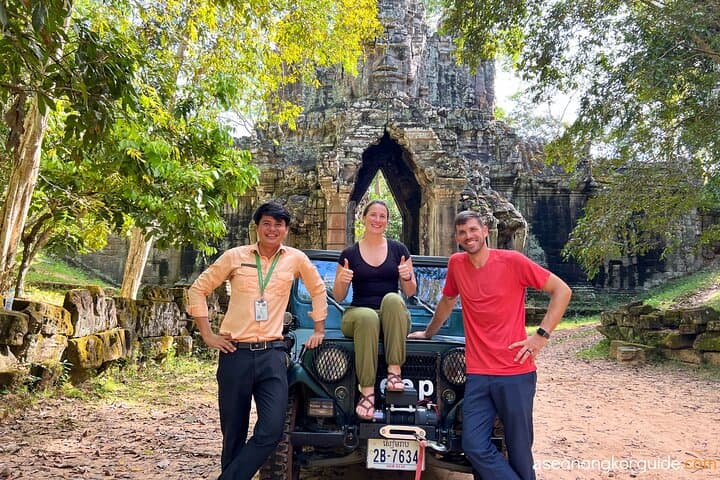
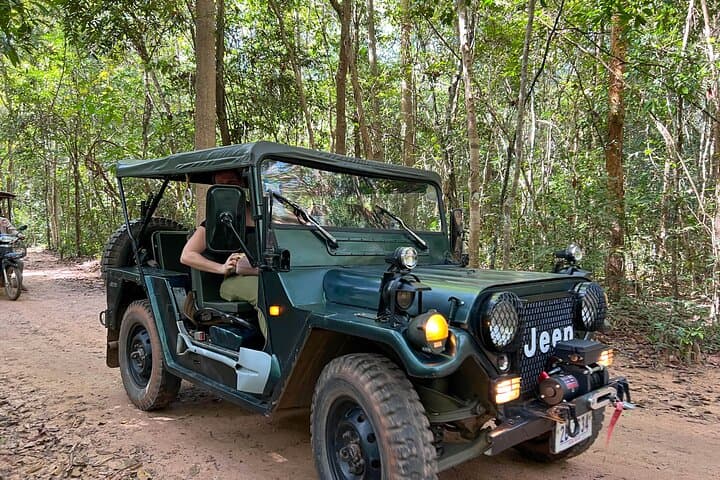
Watch sunrise illuminate Angkor Wat, then follow a private jeep route through Ta Prohm, Pre Rup and Angkor Thom with a local guide. The morning market and village breakfast add cultural context to a full, 7–8 hour temple circuit.
Watch sunrise illuminate Angkor Wat, then follow a private jeep route through Ta Prohm, Pre Rup and Angkor Thom with a local guide. The morning market and village breakfast add cultural context to a full, 7–8 hour temple circuit.
The jeep bumps through humid pre-dawn roads and the silhouette of Angkor Wat sharpens against a widening wash of orange—this is the moment the complex seems to hold its breath. You’ll stand on temple steps as the first light draws relief across carved sandstone, then move deeper into the park to temples where roots push through lintels and visitors thin out.
Verified experiences and guided adventures in the surrounding area.
Operated by Asean Angkor Guide · Siem Reap, Siem Reap
The jeep bumps through humid pre-dawn roads and the silhouette of Angkor Wat sharpens against a widening wash of orange—this is the moment the complex seems to hold its breath. You’ll stand on temple steps as the first light draws relief across carved sandstone, then move deeper into the park to temples where roots push through lintels and visitors thin out.
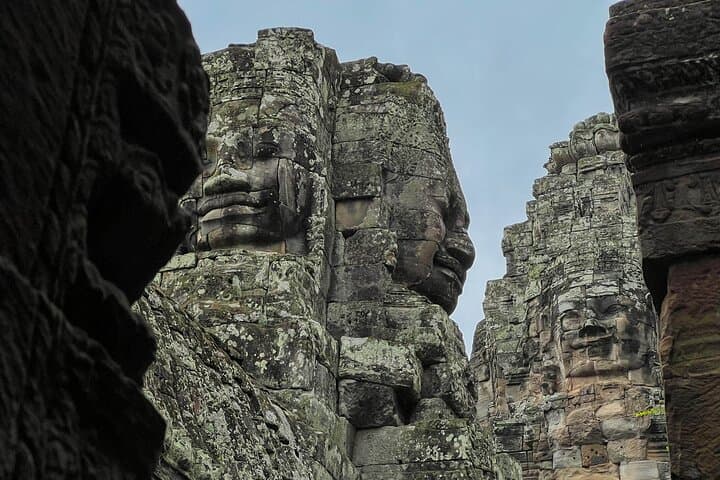
Angkor was the heart of the Khmer Empire; Angkor Wat was completed in the early 12th century under Suryavarman II. The tour threads history and geology—sandstone galleries, laterite foundations, and the man-made East Baray reservoir that once fed irrigation systems. Ta Prohm arrives like a story of reclamation, its strangler figs and silk-cotton trees daring you to read centuries in their roots. Bayon, Baphoun, Pre Rup and the terraces of Angkor Thom show shifts from Hindu to Buddhist iconography and statecraft.
Morning market stops add local texture: vendors selling rice noodles, palm cake and fresh coconut, and a short village breakfast hosted by a family offers a direct link to community-based tourism.
Practically, expect a 7–8 hour morning: early hotel pickup by jeep, plenty of walking on uneven stone, and humid conditions by mid-morning. Bring modest, quick-dry clothing (shoulders and knees covered), sturdy closed-toe shoes, sun protection and refillable water. Angkor Park tickets are required and help fund conservation. Your guide will steer you through lines, explain iconography, and suggest quieter corners—watch your step around tree roots and be ready for sudden crowds at the most iconic viewpoints.
moderate.
7–8 hours.
Moderate fitness recommended — several hours of walking on uneven surfaces with some standing at viewpoints.
The tour runs about 7–8 hours with an early pickup (before sunrise) to get you to Angkor Wat for first light.
Park admission is not listed as included—expect to buy an Angkor Archaeological Park pass separately on arrival if required.
Paths are generally short but uneven and can be slippery; good footwear and a steady pace make it accessible to most fitness levels.
Yes — a village breakfast, seasonal fruit and fresh coconut are part of the itinerary and there’s time at a morning market for snacks.
Angkor Wat was built in the early 12th century under King Suryavarman II; later sites like Bayon reflect the Buddhist turn under Jayavarman VII in the late 12th century.
Entrance fees to Angkor Archaeological Park support conservation managed by the APSARA Authority; visitors are asked to stay on paths, avoid climbing fragile carvings and support community-run vendors.
Asean Angkor Guide operates guided outdoor trips and adventures with an emphasis on safety, stewardship, and memorable experiences.
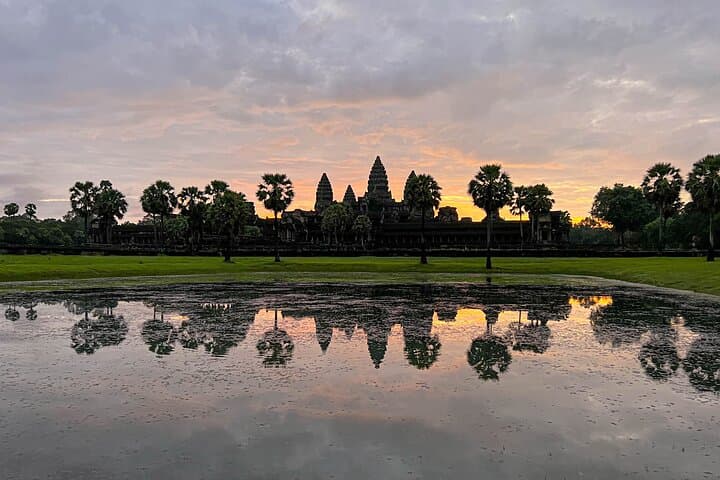
The jeep bumps through humid pre-dawn roads and the silhouette of Angkor Wat sharpens against a widening wash of orange—this is the moment the complex seems to hold its breath. You’ll stand on temple steps as the first light draws relief across carved sandstone, then move deeper into the park to temples where roots push through lintels and visitors thin out.
The jeep bumps through humid pre-dawn roads and the silhouette of Angkor Wat sharpens against a widening wash of orange—this is the moment the complex seems to hold its breath. You’ll stand on temple steps as the first light draws relief across carved sandstone, then move deeper into the park to temples where roots push through lintels and visitors thin out.
Angkor was the heart of the Khmer Empire; Angkor Wat was completed in the early 12th century under Suryavarman II. The tour threads history and geology—sandstone galleries, laterite foundations, and the man-made East Baray reservoir that once fed irrigation systems. Ta Prohm arrives like a story of reclamation, its strangler figs and silk-cotton trees daring you to read centuries in their roots. Bayon, Baphoun, Pre Rup and the terraces of Angkor Thom show shifts from Hindu to Buddhist iconography and statecraft.
Morning market stops add local texture: vendors selling rice noodles, palm cake and fresh coconut, and a short village breakfast hosted by a family offers a direct link to community-based tourism.
Practically, expect a 7–8 hour morning: early hotel pickup by jeep, plenty of walking on uneven stone, and humid conditions by mid-morning. Bring modest, quick-dry clothing (shoulders and knees covered), sturdy closed-toe shoes, sun protection and refillable water. Angkor Park tickets are required and help fund conservation. Your guide will steer you through lines, explain iconography, and suggest quieter corners—watch your step around tree roots and be ready for sudden crowds at the most iconic viewpoints.