THE ADVENTURE COLLECTIVE® · Independent discovery and booking for outdoor travel

Explore Angkor Wat, Bayon, Ta Prohm and Phnom Bakheng in a single private-transport day trip from Siem Reap. This full-day small-circuit itinerary pairs air-conditioned comfort with on-foot exploration of the Khmer Empire's best-loved temples.
Explore Angkor Wat, Bayon, Ta Prohm and Phnom Bakheng in a single private-transport day trip from Siem Reap. This full-day small-circuit itinerary pairs air-conditioned comfort with on-foot exploration of the Khmer Empire's best-loved temples.
You slide into an air-conditioned minivan in Siem Reap and the road opens toward a skyline of stone towers crowned by early-morning light. Close to the moat, Angkor Wat rises in tiers of carved sandstone; later the minivan threads between gnarled roots at Ta Prohm and the enigmatic faces of Bayon peer down from Angkor Thom. The day moves with the subtle rhythm of the ruins—slow passages, short climbs, sudden open views.
Verified experiences and guided adventures in the surrounding area.
Operated by Angkor Express Boat · Siem Reap, Siem Reap Province
You slide into an air-conditioned minivan in Siem Reap and the road opens toward a skyline of stone towers crowned by early-morning light. Close to the moat, Angkor Wat rises in tiers of carved sandstone; later the minivan threads between gnarled roots at Ta Prohm and the enigmatic faces of Bayon peer down from Angkor Thom. The day moves with the subtle rhythm of the ruins—slow passages, short climbs, sudden open views.
Built in the early 12th century by King Suryavarman II, Angkor Wat began as a Hindu state temple and evolved into a major Buddhist site. The complex sits on sandstone laid over older laterite foundations; centuries of monsoon weather and jungle growth shaped the site's current look. Khmer religious life and royal power are carved into bas-reliefs that track war, myth and everyday labor.
Culturally the temples are still active places; modest dress and quiet behavior are expected. Locals rely on tourism, so you'll see a mix of vendors, guides and conservation crews working to stabilize towers.
Practically: this private transport option covers the small circuit in roughly eight hours with hotel pickup, bottled water and a cool towel supplied. Bring your Angkor pass (purchase at the ticket center), carry cash for lunch and donations, and wear breathable, respectful clothing plus a comfortable pair of shoes—the stone surfaces are uneven and can be slippery when wet. Time your visit to arrive early at Angkor Wat and reserve Phnom Bakheng for sunset if you want dramatic views. The tour balances comfort with walking between closely placed monuments—expect moderate exertion and a day full of cultural payoff.
moderate.
8 hours.
Requires moderate fitness: walking on uneven stone, short stepped climbs and several hours on your feet.
You must have an Angkor pass (available as 1‑day, 3‑day or 7‑day) issued at the official Angkor ticket center; bring passport or ID for purchase.
The tour involves uneven paths and stone steps; those with limited mobility may find some temples difficult, though transport is private and drop‑offs can be arranged nearby.
Entrance fees (Angkor pass) and lunch are not included—expect to pay on site for food and any additional admissions not listed as included by the operator.
Photography for personal use is allowed, but drones are restricted and require special permits from Cambodian authorities—check current regulations before you travel.
Angkor rose to prominence under the Khmer Empire in the 9th–15th centuries; Angkor Wat was built in the early 12th century by King Suryavarman II and later became a major Buddhist site.
Angkor is a UNESCO World Heritage site with ongoing restoration projects; follow posted routes, avoid climbing on fragile carvings and support local guides to help sustain conservation efforts.
Angkor Express Boat operates guided outdoor trips and adventures with an emphasis on safety, stewardship, and memorable experiences.


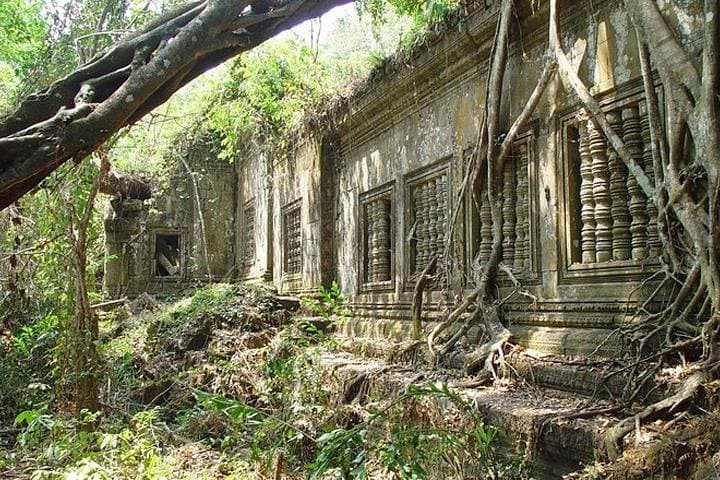
You slide into an air-conditioned minivan in Siem Reap and the road opens toward a skyline of stone towers crowned by early-morning light. Close to the moat, Angkor Wat rises in tiers of carved sandstone; later the minivan threads between gnarled roots at Ta Prohm and the enigmatic faces of Bayon peer down from Angkor Thom. The day moves with the subtle rhythm of the ruins—slow passages, short climbs, sudden open views.
You slide into an air-conditioned minivan in Siem Reap and the road opens toward a skyline of stone towers crowned by early-morning light. Close to the moat, Angkor Wat rises in tiers of carved sandstone; later the minivan threads between gnarled roots at Ta Prohm and the enigmatic faces of Bayon peer down from Angkor Thom. The day moves with the subtle rhythm of the ruins—slow passages, short climbs, sudden open views.
Built in the early 12th century by King Suryavarman II, Angkor Wat began as a Hindu state temple and evolved into a major Buddhist site. The complex sits on sandstone laid over older laterite foundations; centuries of monsoon weather and jungle growth shaped the site's current look. Khmer religious life and royal power are carved into bas-reliefs that track war, myth and everyday labor.
Culturally the temples are still active places; modest dress and quiet behavior are expected. Locals rely on tourism, so you'll see a mix of vendors, guides and conservation crews working to stabilize towers.
Practically: this private transport option covers the small circuit in roughly eight hours with hotel pickup, bottled water and a cool towel supplied. Bring your Angkor pass (purchase at the ticket center), carry cash for lunch and donations, and wear breathable, respectful clothing plus a comfortable pair of shoes—the stone surfaces are uneven and can be slippery when wet. Time your visit to arrive early at Angkor Wat and reserve Phnom Bakheng for sunset if you want dramatic views. The tour balances comfort with walking between closely placed monuments—expect moderate exertion and a day full of cultural payoff.