THE ADVENTURE COLLECTIVE® · Independent discovery and booking for outdoor travel

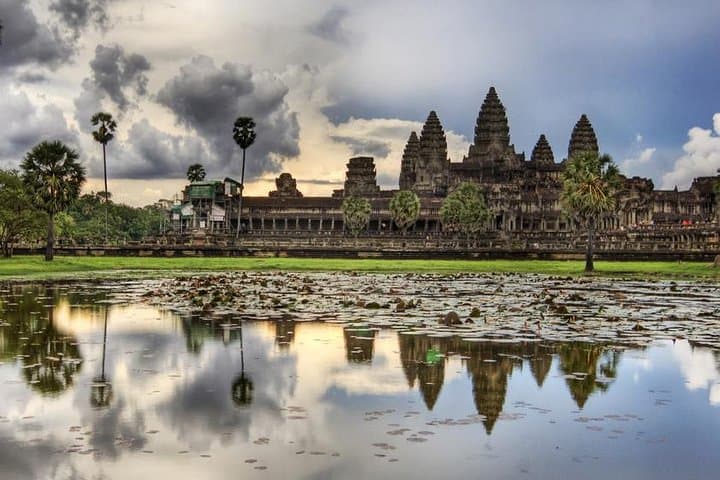
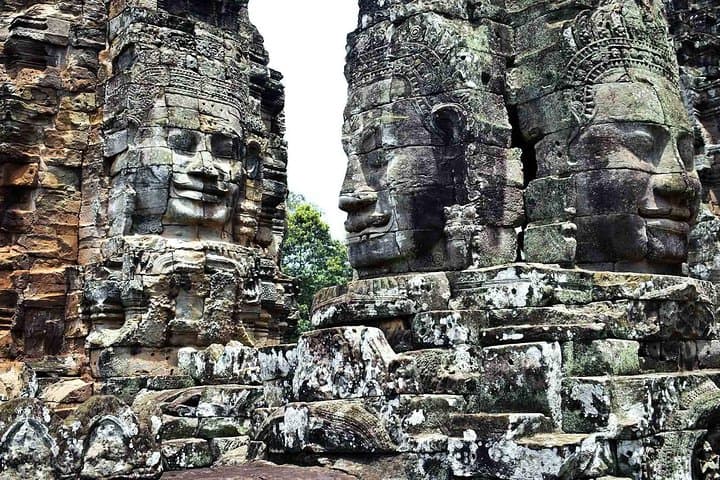
Spend a full day exploring Angkor’s greatest monuments with a private guide: Angkor Wat at golden hour, the face towers of the Bayon, and the tree-clad corridors of Ta Prohm. This practical guide explains what to expect and how to prepare.
Spend a full day exploring Angkor’s greatest monuments with a private guide: Angkor Wat at golden hour, the face towers of the Bayon, and the tree-clad corridors of Ta Prohm. This practical guide explains what to expect and how to prepare.
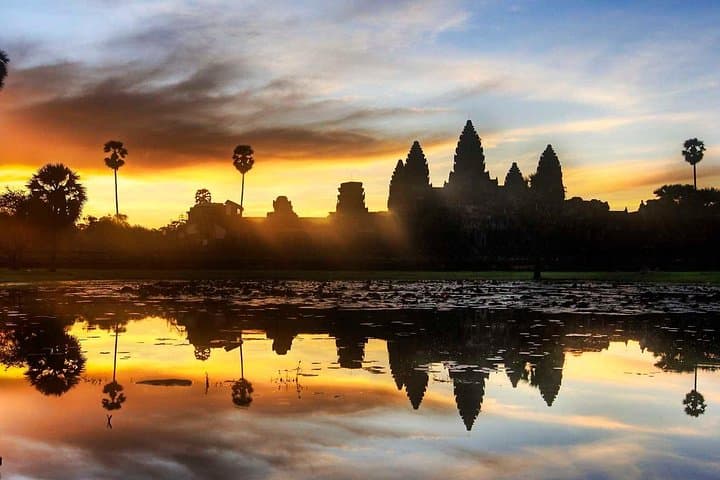
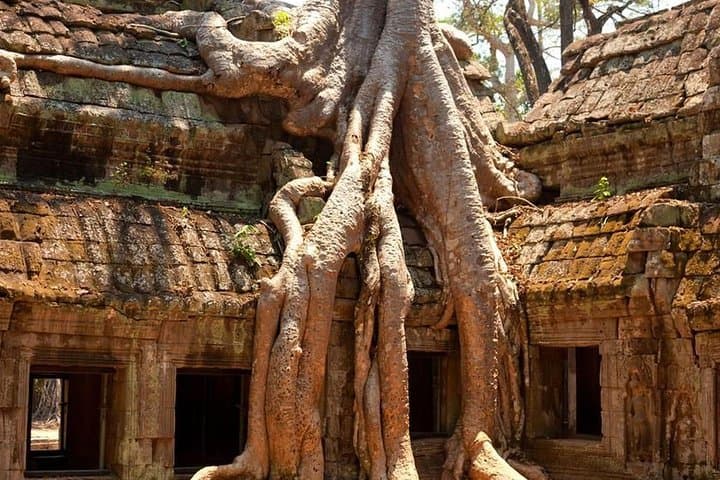
The day begins before the sky lightens: your vehicle eases through rice paddies and the jungle breathes around the complex as temple silhouettes sharpen against the horizon. At Angkor Wat the stone reads like a slow-moving story—bas-reliefs sliding from gods to warriors—while Ta Prohm wears tree roots like armor, actively remapping walls and corridors.
Verified experiences and guided adventures in the surrounding area.
Operated by Angkor Wat Travel Tour · Siem Reap, Siem Reap Province
The day begins before the sky lightens: your vehicle eases through rice paddies and the jungle breathes around the complex as temple silhouettes sharpen against the horizon. At Angkor Wat the stone reads like a slow-moving story—bas-reliefs sliding from gods to warriors—while Ta Prohm wears tree roots like armor, actively remapping walls and corridors.
This private-day itinerary threads key sites across the Angkor Archaeological Park. Built in the early 12th century under King Suryavarman II, Angkor Wat was dedicated to Vishnu and later adopted by Buddhists; nearby Angkor Thom and the Bayon reveal the later Khmer shift under Jayavarman VII. Geologically the temples rest on compacted sand and laterite; ongoing conservation balances heavy visitor flow with fragile mortar and shifting roots. Local culture remains visible: monks in saffron walk temple grounds and village life spills into the approach roads.
Expect paved causeways, compacted-sand courtyards and uneven stone steps — short bursts of walking are punctuated by long periods of standing and photography. Plan for heat, sticky humidity and sudden shade when trees crowd the path. Practical measures pay off: carry water, wear closed-toe shoes with grip, and bring modest clothing that covers shoulders and knees for shrine access.
Your guide will handle entry logistics and pacing: aim for early morning light at Angkor Wat, midday exploration of Bayon and Ta Prohm when roots press against ruins, then finish watching the sun lower behind the central towers. Respect temple rules, take breaks in shaded areas, and budget time for slow, deliberate observation—these stones reward patience.
moderate.
8 hours.
Light to moderate fitness; comfortable walking for several hours, climbing uneven temple steps, and standing for extended periods.
Yes—entry requires an Angkor Archaeological Park pass (1-, 3-, or 7-day options). Your guide typically assists with purchase at the official ticket center.
The private tour is suitable for all ages; however, it involves walking and some stair climbing—request a slower pace or more vehicle time if mobility is limited.
Sunrise and sunset are possible but typically require early starts and careful pacing; this private itinerary schedules the sunset at Angkor Wat while avoiding the busiest spots earlier in the day.
Most temple complexes have uneven terrain and steps; some areas are partially accessible but full access is limited—confirm accessibility needs with your operator in advance.
Angkor Wat was constructed in the early 12th century by King Suryavarman II as a Hindu state temple and later became a major Buddhist pilgrimage site; nearby Angkor Thom and Bayon reflect the 12–13th century shift under Jayavarman VII.
Visitor management and restoration programs are ongoing; stick to marked paths, avoid touching bas-reliefs, and follow guide instructions to reduce wear on fragile stone and root-stabilized structures.
Angkor Wat Travel Tour operates guided outdoor trips and adventures with an emphasis on safety, stewardship, and memorable experiences.
The day begins before the sky lightens: your vehicle eases through rice paddies and the jungle breathes around the complex as temple silhouettes sharpen against the horizon. At Angkor Wat the stone reads like a slow-moving story—bas-reliefs sliding from gods to warriors—while Ta Prohm wears tree roots like armor, actively remapping walls and corridors.
The day begins before the sky lightens: your vehicle eases through rice paddies and the jungle breathes around the complex as temple silhouettes sharpen against the horizon. At Angkor Wat the stone reads like a slow-moving story—bas-reliefs sliding from gods to warriors—while Ta Prohm wears tree roots like armor, actively remapping walls and corridors.
This private-day itinerary threads key sites across the Angkor Archaeological Park. Built in the early 12th century under King Suryavarman II, Angkor Wat was dedicated to Vishnu and later adopted by Buddhists; nearby Angkor Thom and the Bayon reveal the later Khmer shift under Jayavarman VII. Geologically the temples rest on compacted sand and laterite; ongoing conservation balances heavy visitor flow with fragile mortar and shifting roots. Local culture remains visible: monks in saffron walk temple grounds and village life spills into the approach roads.
Expect paved causeways, compacted-sand courtyards and uneven stone steps — short bursts of walking are punctuated by long periods of standing and photography. Plan for heat, sticky humidity and sudden shade when trees crowd the path. Practical measures pay off: carry water, wear closed-toe shoes with grip, and bring modest clothing that covers shoulders and knees for shrine access.
Your guide will handle entry logistics and pacing: aim for early morning light at Angkor Wat, midday exploration of Bayon and Ta Prohm when roots press against ruins, then finish watching the sun lower behind the central towers. Respect temple rules, take breaks in shaded areas, and budget time for slow, deliberate observation—these stones reward patience.