THE ADVENTURE COLLECTIVE® · Independent discovery and booking for outdoor travel

Start before sunrise with a private A/C vehicle to see Angkor Wat twice—first in the calm morning light, then again at golden hour. This 11–13 hour small-circle tour pairs major temples with five quieter “extras,” a 3.5 km hike, and a knowledgeable English-speaking guide.
Start before sunrise with a private A/C vehicle to see Angkor Wat twice—first in the calm morning light, then again at golden hour. This 11–13 hour small-circle tour pairs major temples with five quieter “extras,” a 3.5 km hike, and a knowledgeable English-speaking guide.
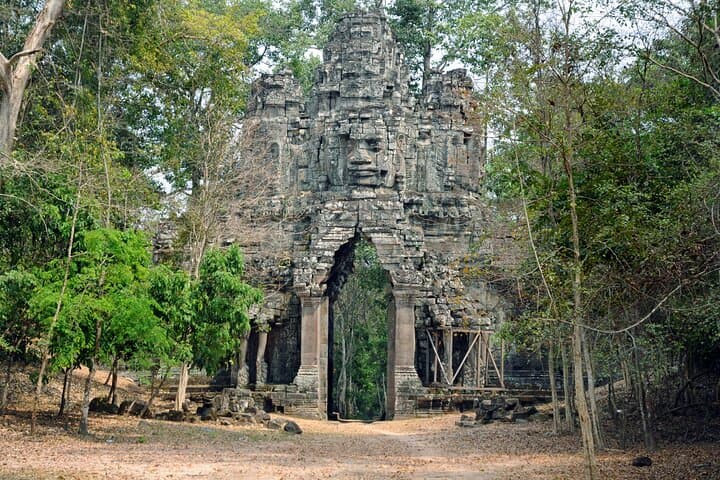
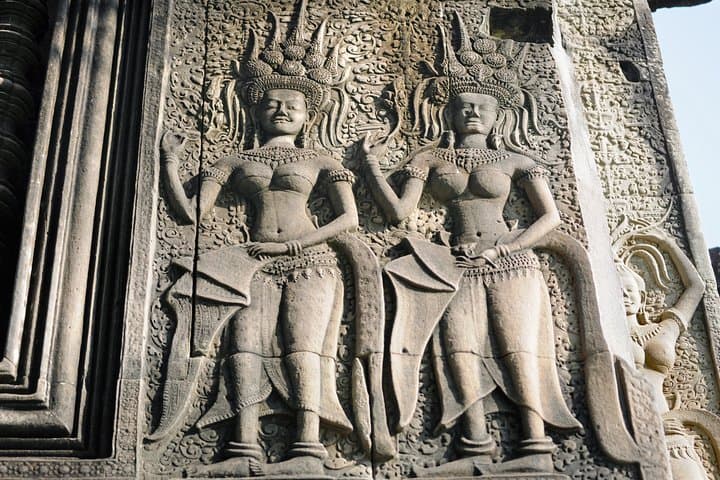
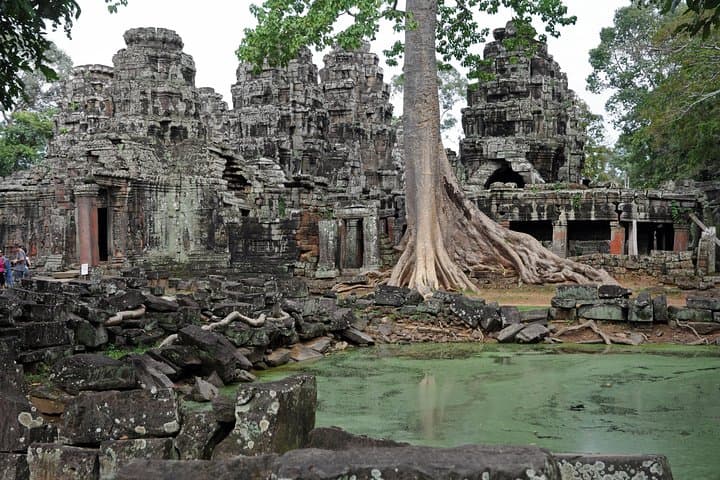
Dawn slides across the moat and the towers of Angkor Wat sharpen into silhouette as your private A/C vehicle eases through the East Gate. You arrive before the crowds; cool air and reflected towers frame the morning. The day unfolds like a field guide: brick carvings at Prasat Kravan, the massive roots and ruined corridors of Ta Prohm, a quiet 3.5 km hike from Victory Gate along Angkor Thom’s eastern wall, and a clutch of lesser-visited jewels—Ta Nei and Mangalartha—that feel reclaimed by jungle and time.
Verified experiences and guided adventures in the surrounding area.
Operated by Angkor-Travel Tours · Siem Reap, Siem Reap Province
Dawn slides across the moat and the towers of Angkor Wat sharpen into silhouette as your private A/C vehicle eases through the East Gate. You arrive before the crowds; cool air and reflected towers frame the morning. The day unfolds like a field guide: brick carvings at Prasat Kravan, the massive roots and ruined corridors of Ta Prohm, a quiet 3.5 km hike from Victory Gate along Angkor Thom’s eastern wall, and a clutch of lesser-visited jewels—Ta Nei and Mangalartha—that feel reclaimed by jungle and time.
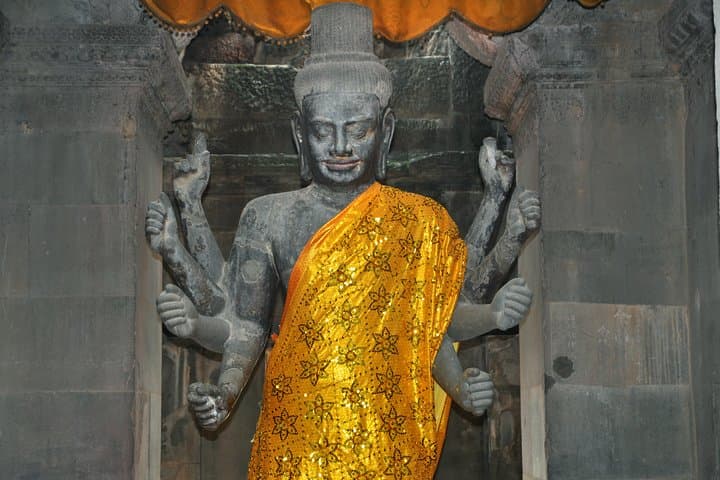
This landscape is the product of the Khmer Empire’s ambition and local geology: laterite foundations and vast sandstone blocks quarried and carved between the 9th and 13th centuries. The precincts hosted Hindu then Buddhist rites; inscriptions at Bat Chum and other sites chart that religious shift. Srah Srang, a ceremonial basin, provides a lunch stop and a sense of how water shaped ceremonial life here.
Practical guidance: the full itinerary runs 11–13 hours with many short walks and one planned 3.5 km hike on compacted earth and gravel—expect heat, sun, and sporadic shade. Angkor Park tickets are required and not included. Wear supportive walking shoes, sun protection, and carry 2–3 liters of water. Respect signs and ropes; many ruins are fragile. The private driver-guide setup keeps transitions tight—use the guide’s local knowledge to prioritize photo timing or a quieter window at Ta Prohm.
Timing, hydration, and respectful behavior are the small but decisive choices that turn a long, intense day of temple-hopping into a memorable, responsible encounter with one of Southeast Asia’s great archaeological landscapes.
moderate.
11–13 hours.
Moderate endurance for a long day on your feet; comfortable walking 3–5 km over uneven surfaces and some steps.
No—Angkor Park tickets must be purchased separately; guides can advise the best ticket type for your schedule.
The tour typically starts around 6:30 AM to catch Angkor Wat in the best morning light and avoid crowds at major temples.
Yes—there is a scheduled lunch break at Srah Srang or nearby restaurants; brief rest stops are built into the long itinerary.
The hike is moderate distance on compacted earth and paths with minimal elevation; wear comfortable shoes and bring water.
The Angkor complex grew from 9th–13th century Khmer statecraft; many temples shifted from Hindu to Buddhist use over centuries under rulers like Jayavarman VII.
Visitor impact is managed through designated paths and restricted areas—follow guides and signage, avoid climbing fragile masonry, and don’t remove any artifacts.
Angkor-Travel Tours operates guided outdoor trips and adventures with an emphasis on safety, stewardship, and memorable experiences.
Dawn slides across the moat and the towers of Angkor Wat sharpen into silhouette as your private A/C vehicle eases through the East Gate. You arrive before the crowds; cool air and reflected towers frame the morning. The day unfolds like a field guide: brick carvings at Prasat Kravan, the massive roots and ruined corridors of Ta Prohm, a quiet 3.5 km hike from Victory Gate along Angkor Thom’s eastern wall, and a clutch of lesser-visited jewels—Ta Nei and Mangalartha—that feel reclaimed by jungle and time.
Dawn slides across the moat and the towers of Angkor Wat sharpen into silhouette as your private A/C vehicle eases through the East Gate. You arrive before the crowds; cool air and reflected towers frame the morning. The day unfolds like a field guide: brick carvings at Prasat Kravan, the massive roots and ruined corridors of Ta Prohm, a quiet 3.5 km hike from Victory Gate along Angkor Thom’s eastern wall, and a clutch of lesser-visited jewels—Ta Nei and Mangalartha—that feel reclaimed by jungle and time.
This landscape is the product of the Khmer Empire’s ambition and local geology: laterite foundations and vast sandstone blocks quarried and carved between the 9th and 13th centuries. The precincts hosted Hindu then Buddhist rites; inscriptions at Bat Chum and other sites chart that religious shift. Srah Srang, a ceremonial basin, provides a lunch stop and a sense of how water shaped ceremonial life here.
Practical guidance: the full itinerary runs 11–13 hours with many short walks and one planned 3.5 km hike on compacted earth and gravel—expect heat, sun, and sporadic shade. Angkor Park tickets are required and not included. Wear supportive walking shoes, sun protection, and carry 2–3 liters of water. Respect signs and ropes; many ruins are fragile. The private driver-guide setup keeps transitions tight—use the guide’s local knowledge to prioritize photo timing or a quieter window at Ta Prohm.
Timing, hydration, and respectful behavior are the small but decisive choices that turn a long, intense day of temple-hopping into a memorable, responsible encounter with one of Southeast Asia’s great archaeological landscapes.