
Angkor Wat by Tuk Tuk: Private Full-Day Temple Tour from Siem Reap
Ride a tuk-tuk from Siem Reap through the Angkor Archaeological Park on a private full-day tour—see Angkor Wat, Bayon’s stone faces and Ta Prohm’s tree-clad galleries while a guide explains centuries of Khmer history. Practical tips cover tickets, dress code and timing to beat the heat.
An Adventure In Siem Reap.
Ride a tuk-tuk from Siem Reap through the Angkor Archaeological Park on a private full-day tour—see Angkor Wat, Bayon’s stone faces and Ta Prohm’s tree-clad galleries while a guide explains centuries of Khmer history. Practical tips cover tickets, dress code and timing to beat the heat.
Read the full experience
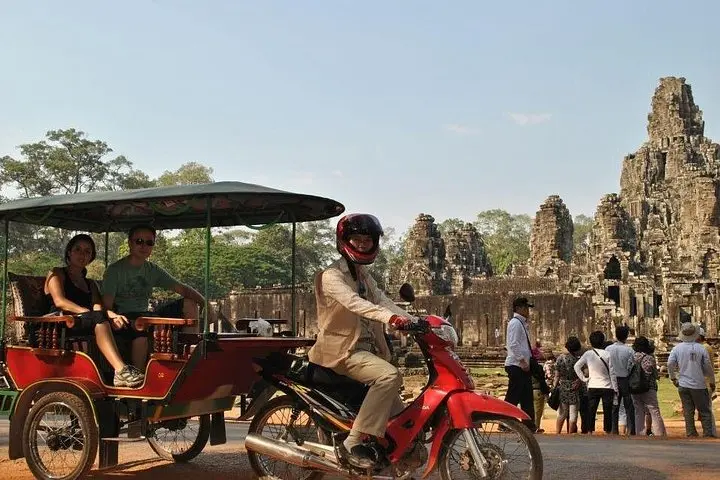
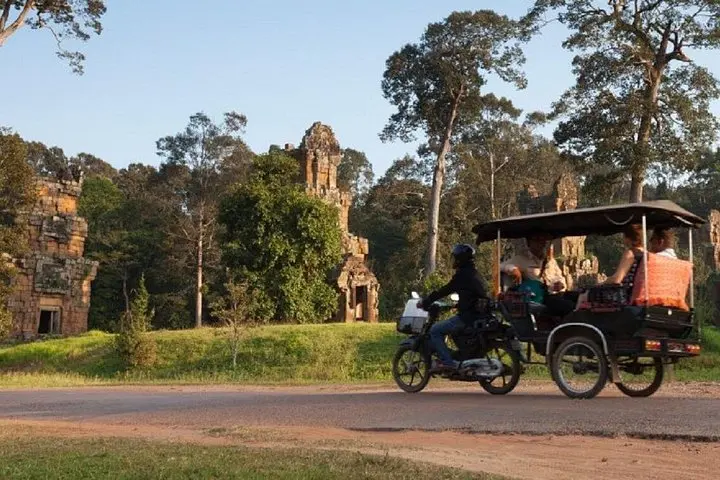
The morning air at Angkor is warm and dry, the scent of dust and frangipani drifting as a tuk-tuk threadily slips through a lane of crumbling laterite walls. You arrive at Angkor Wat’s west entrance as the first shafts of sun pick out bas-reliefs; later the tuk-tuk hums between carved stone faces at Bayon and the root-entwined galleries of Ta Prohm.
The morning air at Angkor is warm and dry, the scent of dust and frangipani drifting as a tuk-tuk threadily slips through a lane of crumbling laterite walls. You arrive at Angkor Wat’s west entrance as the first shafts of sun pick out bas-reliefs; later the tuk-tuk hums between carved stone faces at Bayon and the root-entwined galleries of Ta Prohm.
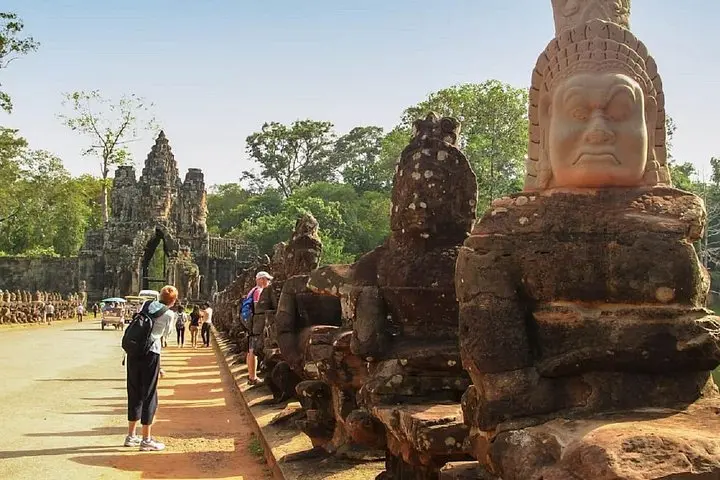
This landscape was carved by the Khmer Empire between the 9th and 13th centuries—Angkor Wat itself raised in the early 12th century as a state-temple and mausoleum by Suryavarman II. Bayon’s many smiling faces date to Jayavarman VII; Ta Prohm preserves the uncanny encounter of rainforest and masonry. Geologically, the monuments rest on sandstone blocks quarried and dressed into finely detailed friezes that now weather under tropical conditions. Local culture remains visible in surrounding villages, rice paddies, and the daily rhythms of Siem Reap.
Practically, a private tuk-tuk tour covers large distances efficiently while offering nimble access to narrow approaches and quieter viewpoints. Expect walking on uneven stone and steps, intermittent shade, and midday heat. Bring modest clothing for temple entry, a refillable water bottle, sun protection, and cash for Angkor Passes and tips. Start early to avoid crowds and mid-afternoon storms during the wet season. Guides offer archaeological context and help navigate ticketing rules—Angkor Passes are required and not typically included. Move respectfully: avoid climbing on fragile carvings and follow your guide’s directions to preserve the site for generations to come.
Frequently asked questions
No. Angkor Passes are purchased separately at the official ticket center; guides typically handle directions but entry fees are not part of the tuk-tuk tour price.
Yes—paths are suitable for most ages but expect uneven stone, short staircases, and heat; arrange a slower pace or shaded breaks if needed.
Photography is allowed at most sites but avoid flash where signs prohibit it, and be respectful during prayer or when locals are present.
Temples in Angkor are spread over several kilometers; a tuk-tuk provides efficient, flexible transport between dispersed sites and tight approaches that larger buses can’t reach.
About This Experience
Bayon Tabi Tour operates guided outdoor trips and adventures with an emphasis on safety, stewardship, and memorable experiences.
Adventure tips
Recommended gear
- Lightweight, modest clothing: Covers shoulders and knees for temple etiquette while staying breathable in tropical heat.
- Comfortable walking shoes: Supportive soles for uneven sandstone, stairs, and soft dirt paths between sites.
- Wide-brim hat & sunscreen: Protects against strong sun during midday stretches between shaded temples.
- Refillable water bottle: Staying hydrated is critical in Cambodia’s heat; many guides provide bottled water but refills save plastic.
Photos of the experience

Related adventures & guides
Read the full experience
The morning air at Angkor is warm and dry, the scent of dust and frangipani drifting as a tuk-tuk threadily slips through a lane of crumbling laterite walls. You arrive at Angkor Wat’s west entrance as the first shafts of sun pick out bas-reliefs; later the tuk-tuk hums between carved stone faces at Bayon and the root-entwined galleries of Ta Prohm.
The morning air at Angkor is warm and dry, the scent of dust and frangipani drifting as a tuk-tuk threadily slips through a lane of crumbling laterite walls. You arrive at Angkor Wat’s west entrance as the first shafts of sun pick out bas-reliefs; later the tuk-tuk hums between carved stone faces at Bayon and the root-entwined galleries of Ta Prohm.
This landscape was carved by the Khmer Empire between the 9th and 13th centuries—Angkor Wat itself raised in the early 12th century as a state-temple and mausoleum by Suryavarman II. Bayon’s many smiling faces date to Jayavarman VII; Ta Prohm preserves the uncanny encounter of rainforest and masonry. Geologically, the monuments rest on sandstone blocks quarried and dressed into finely detailed friezes that now weather under tropical conditions. Local culture remains visible in surrounding villages, rice paddies, and the daily rhythms of Siem Reap.
Practically, a private tuk-tuk tour covers large distances efficiently while offering nimble access to narrow approaches and quieter viewpoints. Expect walking on uneven stone and steps, intermittent shade, and midday heat. Bring modest clothing for temple entry, a refillable water bottle, sun protection, and cash for Angkor Passes and tips. Start early to avoid crowds and mid-afternoon storms during the wet season. Guides offer archaeological context and help navigate ticketing rules—Angkor Passes are required and not typically included. Move respectfully: avoid climbing on fragile carvings and follow your guide’s directions to preserve the site for generations to come.
Make a day of it nearby.
Verified experiences and guided adventures in the surrounding area.