THE ADVENTURE COLLECTIVE® · Independent discovery and booking for outdoor travel

This private two-day tour from Siem Reap pairs Angkor’s major temples with Phnom Kulen’s waterfall and a Tonle Sap boat visit. Expect early starts, temple etiquette, short hikes, and a mix of cultural and natural highlights.
This private two-day tour from Siem Reap pairs Angkor’s major temples with Phnom Kulen’s waterfall and a Tonle Sap boat visit. Expect early starts, temple etiquette, short hikes, and a mix of cultural and natural highlights.
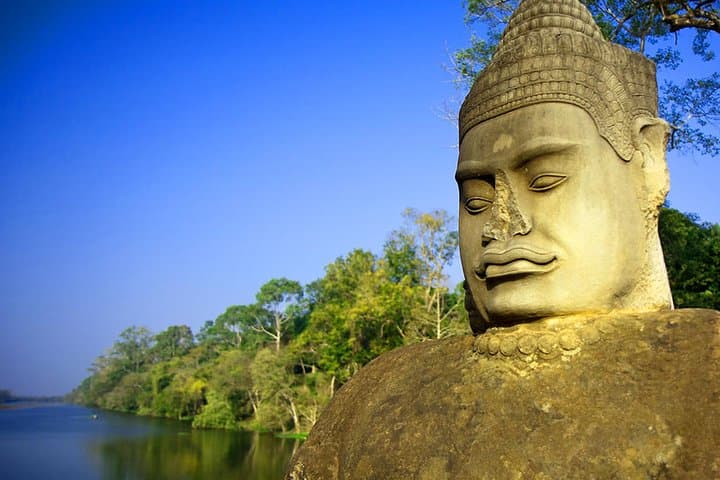
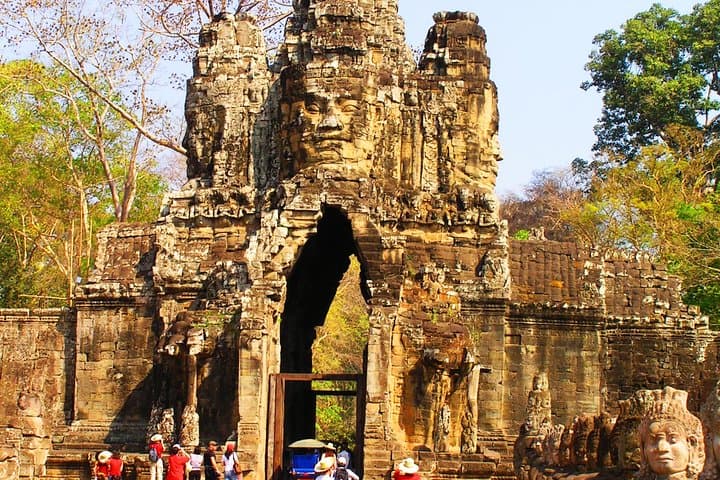
At first light the carved faces of Bayon step out of the jungle like guardians; later the Tonle Sap will rock a floating village as if the lake itself were measuring life by the tides. This private two-day circuit from Siem Reap moves quickly from the concentric galleries of Angkor Thom and the low-slung terraces of Angkor Wat to the forested plateau and pools of Phnom Kulen, finishing with a boat ride across Cambodia’s great freshwater lake.
Verified experiences and guided adventures in the surrounding area.
Operated by Peacock Asia Tours · Siem Reap, Siem Reap Province
At first light the carved faces of Bayon step out of the jungle like guardians; later the Tonle Sap will rock a floating village as if the lake itself were measuring life by the tides. This private two-day circuit from Siem Reap moves quickly from the concentric galleries of Angkor Thom and the low-slung terraces of Angkor Wat to the forested plateau and pools of Phnom Kulen, finishing with a boat ride across Cambodia’s great freshwater lake.
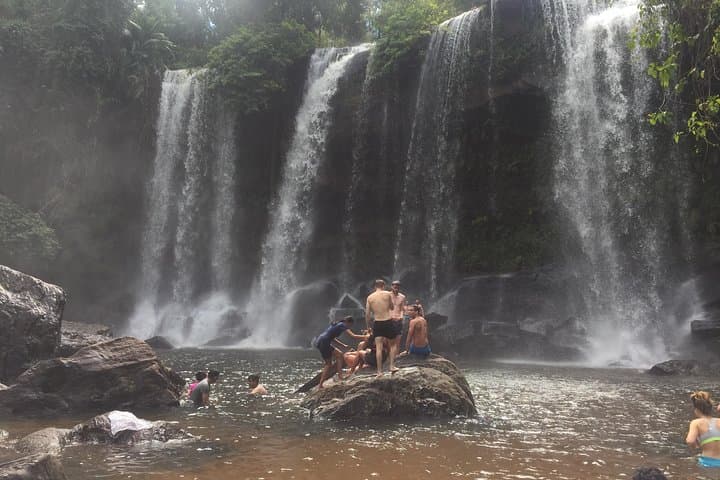
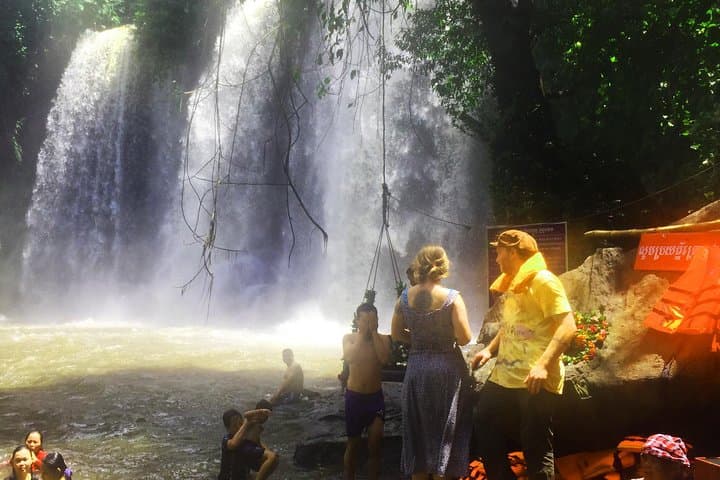
The route sketches centuries of Khmer history: Angkor Wat’s 12th-century bas-reliefs and monumental galleries; Bayon’s smiling faces from Jayavarman VII’s Buddhist era; Ta Prohm’s trees and masonry made famous by film. Phnom Kulen predates much of that, the first Khmer capital with carved lingams in the river and a 16th-century reclining Buddha above a cool cascade where locals swim.
Geology is blunt and obvious—sandstone blocks, laterite foundations and monsoon-fed rivers that gouge channels and feed Tonle Sap’s seasonal pulse. Culture here is equally hands-on: temple etiquette, rice-farming rhythms, and lakeside communities living with the lake’s rise and fall.
Practical guidance: start early to avoid heat and crowds, carry 2–3 liters of water, sun protection and a light rain layer in wet months. Dress respectfully—knees and shoulders covered for temple entry—and wear sturdy, non-slip shoes for uneven stone and slippery trails at Kulen. Expect several short hikes between ruins, a brief swim at the waterfall, and basic wooden-boat travel on Tonle Sap. The tour favors curiosity over speed; bring patience and a camera, and let the layers of stone and water tell their history.
moderate.
2 days.
Light-to-moderate walking fitness; able to manage uneven stone steps and short uphill sections at Phnom Kulen.
No, Angkor Park tickets are usually purchased separately at the official pass office; check current pass types (1-, 3-, or 7-day) before arrival.
Yes — the floating village and lakeshore are reached by small motor or wooden boat; conditions are calm in dry months but choppier during monsoon transitions.
Yes, there are designated pools where swimming is common, but exercise caution on slippery rocks and follow guide instructions.
The itinerary is family-friendly with car transfers and short walks; infants may need to sit on laps and parents should bring sun protection and frequent snacks.
Angkor’s major monuments record the rise of the Khmer Empire from the 9th to 12th centuries; Jayavarman VII’s building program left Bayon’s faces and many Buddhist sites seen today.
Angkor and Tonle Sap face pressure from tourism and seasonal fishing; follow site rules, avoid touching carvings, and support community-run services to reduce impact.
Peacock Asia Tours operates guided outdoor trips and adventures with an emphasis on safety, stewardship, and memorable experiences.
At first light the carved faces of Bayon step out of the jungle like guardians; later the Tonle Sap will rock a floating village as if the lake itself were measuring life by the tides. This private two-day circuit from Siem Reap moves quickly from the concentric galleries of Angkor Thom and the low-slung terraces of Angkor Wat to the forested plateau and pools of Phnom Kulen, finishing with a boat ride across Cambodia’s great freshwater lake.
At first light the carved faces of Bayon step out of the jungle like guardians; later the Tonle Sap will rock a floating village as if the lake itself were measuring life by the tides. This private two-day circuit from Siem Reap moves quickly from the concentric galleries of Angkor Thom and the low-slung terraces of Angkor Wat to the forested plateau and pools of Phnom Kulen, finishing with a boat ride across Cambodia’s great freshwater lake.
The route sketches centuries of Khmer history: Angkor Wat’s 12th-century bas-reliefs and monumental galleries; Bayon’s smiling faces from Jayavarman VII’s Buddhist era; Ta Prohm’s trees and masonry made famous by film. Phnom Kulen predates much of that, the first Khmer capital with carved lingams in the river and a 16th-century reclining Buddha above a cool cascade where locals swim.
Geology is blunt and obvious—sandstone blocks, laterite foundations and monsoon-fed rivers that gouge channels and feed Tonle Sap’s seasonal pulse. Culture here is equally hands-on: temple etiquette, rice-farming rhythms, and lakeside communities living with the lake’s rise and fall.
Practical guidance: start early to avoid heat and crowds, carry 2–3 liters of water, sun protection and a light rain layer in wet months. Dress respectfully—knees and shoulders covered for temple entry—and wear sturdy, non-slip shoes for uneven stone and slippery trails at Kulen. Expect several short hikes between ruins, a brief swim at the waterfall, and basic wooden-boat travel on Tonle Sap. The tour favors curiosity over speed; bring patience and a camera, and let the layers of stone and water tell their history.