THE ADVENTURE COLLECTIVE® · Independent discovery and booking for outdoor travel

A private seven-hour circuit of Angkor’s headline temples—Bayon, Ta Prohm, Angkor Wat and more—offering a concentrated, guided look at Khmer art, engineering and jungle-reclaimed ruins. Ideal for first-time visitors who want history, photos and practical logistics handled in one day.
A private seven-hour circuit of Angkor’s headline temples—Bayon, Ta Prohm, Angkor Wat and more—offering a concentrated, guided look at Khmer art, engineering and jungle-reclaimed ruins. Ideal for first-time visitors who want history, photos and practical logistics handled in one day.
You step out of the minivan and the heat and limestone dust hit like an invitation—wide stone causeways lead away under a low, blue sky while carved faces watch from a distance. For seven hours a private guide threads you through the great monuments of Angkor: the stone faces of Bayon, the collapsed jungle rooms of Ta Prohm, the long terraces of the Royal enclosure and the silhouette of Angkor Wat itself.
Verified experiences and guided adventures in the surrounding area.
Operated by beyond. unique escapes · Siem Reap, Siem Reap Province
You step out of the minivan and the heat and limestone dust hit like an invitation—wide stone causeways lead away under a low, blue sky while carved faces watch from a distance. For seven hours a private guide threads you through the great monuments of Angkor: the stone faces of Bayon, the collapsed jungle rooms of Ta Prohm, the long terraces of the Royal enclosure and the silhouette of Angkor Wat itself.
This landscape was shaped by the Khmer Empire between the 9th and 13th centuries; sandstone blocks quarried from the Kulen hills were raised into temples, moats and reservoirs that engineered water across the plain. Culture and faith are carved into every lintel and bas-relief—Hindu cosmology, later Buddhist conversion, and kingship all read in the stones.
Expect uneven paths, short flights of worn steps and periods of standing while the guide explains scenes of daily life and myth. Ta Prohm’s roots still pull at masonry, while Bayon’s 216 faces shift expression as you move around them. Local life threads the park’s edges: farmers, pagoda courtyards and markets where sticky rice and skewers refuel you.
Practical edge: bring closed-toe shoes with grip, carry sunscreen and a refillable bottle (bottled water is often included), and wear shoulders-and-knee-covering clothes for temple respect. Mornings are cooler and light is best for photography; afternoons bring cloud and, in monsoon season, heavy showers. Your private guide and transport make moving between sites efficient—book an early slot to beat heat and crowds and leave space to sit and read the carvings rather than rush past them.
moderate.
7 hours.
Light to moderate fitness; able to walk several kilometers on uneven terrain and climb short flights of temple steps.
No, admission to the Angkor Archaeological Park is typically not included and must be purchased separately at the official ticket center.
Expect several kilometers of walking spread over the day with short climbs of worn stone steps at many sites.
Yes—this private tour includes an English-speaking guide and private transportation as listed in the inclusions.
Full refund is available if you cancel at least 24 hours before departure; check your booking confirmation for specifics.
Angkor was the heart of the Khmer Empire (9th–13th centuries); Angkor Wat was built in the early 12th century by King Suryavarman II and later adapted to Buddhist use.
High visitor numbers stress fragile stone and ecosystems; stick to marked paths, avoid climbing protected structures and support local guides to promote sustainable tourism.
beyond. unique escapes operates guided outdoor trips and adventures with an emphasis on safety, stewardship, and memorable experiences.
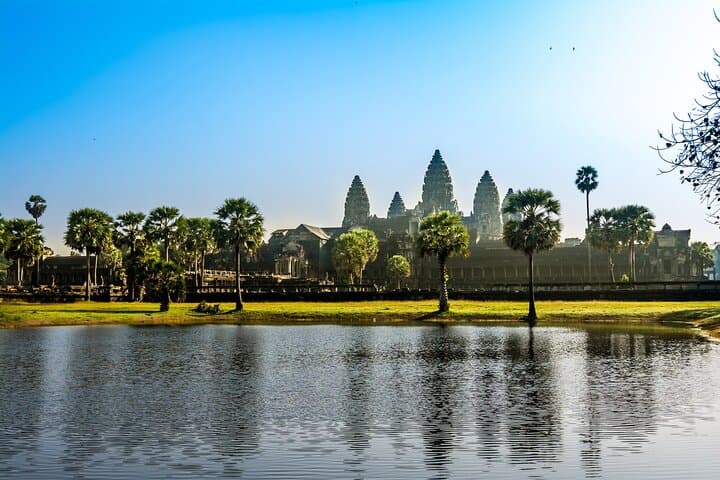
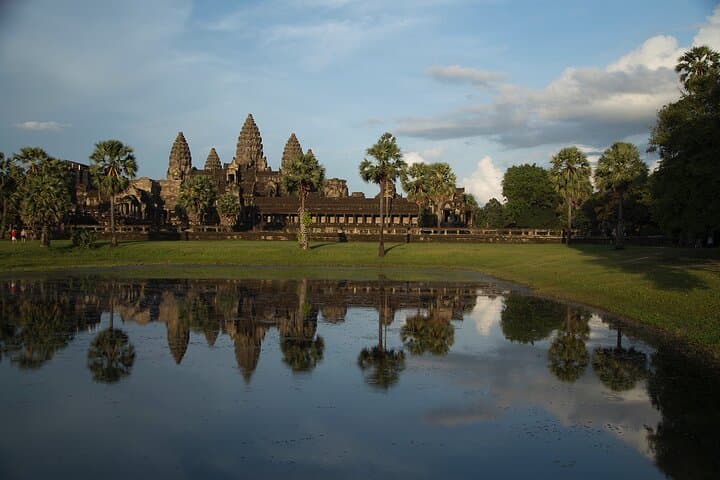
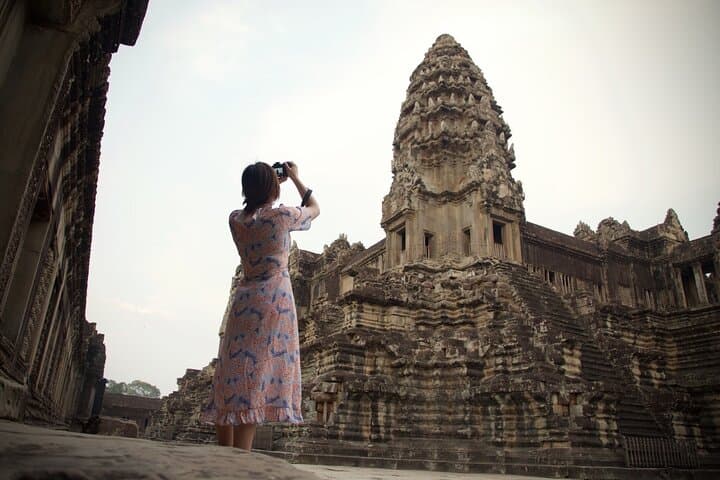
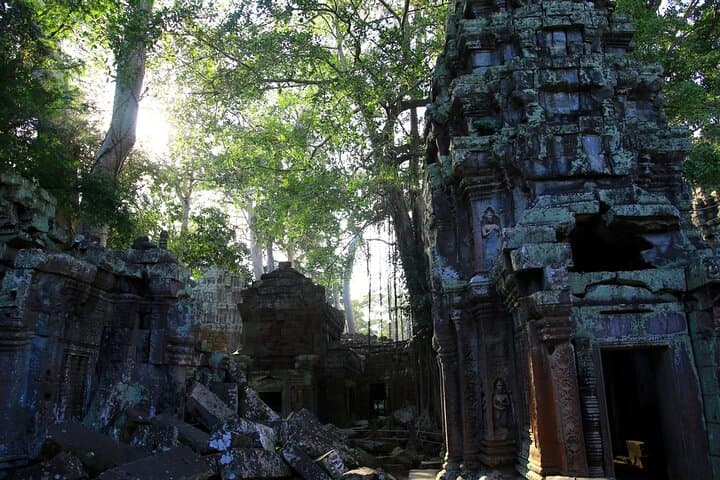
You step out of the minivan and the heat and limestone dust hit like an invitation—wide stone causeways lead away under a low, blue sky while carved faces watch from a distance. For seven hours a private guide threads you through the great monuments of Angkor: the stone faces of Bayon, the collapsed jungle rooms of Ta Prohm, the long terraces of the Royal enclosure and the silhouette of Angkor Wat itself.
You step out of the minivan and the heat and limestone dust hit like an invitation—wide stone causeways lead away under a low, blue sky while carved faces watch from a distance. For seven hours a private guide threads you through the great monuments of Angkor: the stone faces of Bayon, the collapsed jungle rooms of Ta Prohm, the long terraces of the Royal enclosure and the silhouette of Angkor Wat itself.
This landscape was shaped by the Khmer Empire between the 9th and 13th centuries; sandstone blocks quarried from the Kulen hills were raised into temples, moats and reservoirs that engineered water across the plain. Culture and faith are carved into every lintel and bas-relief—Hindu cosmology, later Buddhist conversion, and kingship all read in the stones.
Expect uneven paths, short flights of worn steps and periods of standing while the guide explains scenes of daily life and myth. Ta Prohm’s roots still pull at masonry, while Bayon’s 216 faces shift expression as you move around them. Local life threads the park’s edges: farmers, pagoda courtyards and markets where sticky rice and skewers refuel you.
Practical edge: bring closed-toe shoes with grip, carry sunscreen and a refillable bottle (bottled water is often included), and wear shoulders-and-knee-covering clothes for temple respect. Mornings are cooler and light is best for photography; afternoons bring cloud and, in monsoon season, heavy showers. Your private guide and transport make moving between sites efficient—book an early slot to beat heat and crowds and leave space to sit and read the carvings rather than rush past them.