THE ADVENTURE COLLECTIVE® · Independent discovery and booking for outdoor travel

Spend a single, well-paced day exploring Angkor’s major monuments—from Angkor Thom’s carved terraces to Angkor Wat’s galleries—ending with sunset from Bakheng or Pre Rup. Practical, full-day routing for first-time visitors.
Spend a single, well-paced day exploring Angkor’s major monuments—from Angkor Thom’s carved terraces to Angkor Wat’s galleries—ending with sunset from Bakheng or Pre Rup. Practical, full-day routing for first-time visitors.
You step out of the air-conditioned van into a heat that presses at the skin; dust and incense drift between stone trees and carved faces as the guide points down a shaded causeway.
Verified experiences and guided adventures in the surrounding area.
Operated by Peacock Asia Tours · Siem Reap, Siem Reap Province
You step out of the air-conditioned van into a heat that presses at the skin; dust and incense drift between stone trees and carved faces as the guide points down a shaded causeway.
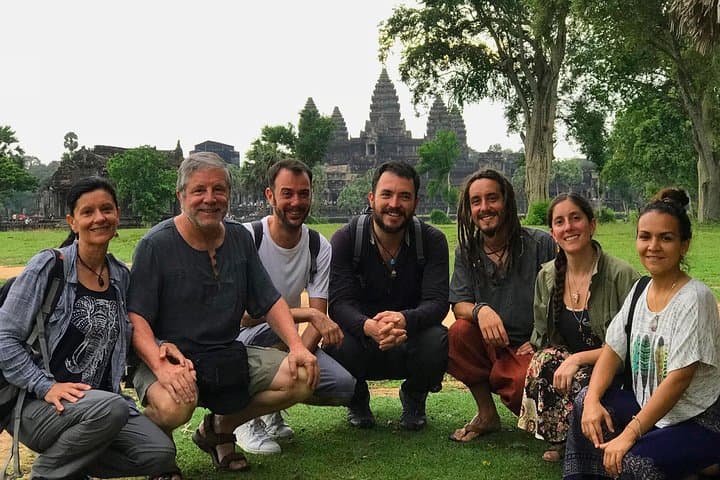
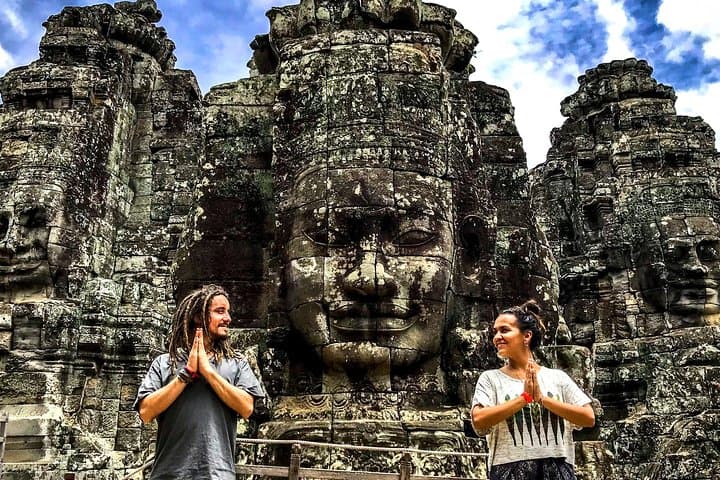
This full-day circuit threads the great sites of Angkor: the South Gate and terraces of Angkor Thom, the many-faced towers of Bayon, broad courtyards of Angkor Wat, and a sunset finish at Bakheng or Pre Rup. The stones here are sandstone and laterite—compressed and quarried from nearby deposits—carving the history of the Khmer empire across the 12th century.
Culturally the complex moves from Hindu cosmology to Buddhist practice; bas-reliefs tell stories of war, trade, and ritual, while modern pagodas and monks remain active around the ruins. The area’s low, palm-streaked forest and seasonal ponds shape how you move through the sites: shaded paths cool the midday walk, while the large moats reflect the temples’ geometric order.
Practical guidance: plan for 8–10 hours on foot and by vehicle, with many short walks between ruins. Bring a reusable water bottle, sunscreen, and respect modest dress—knees and shoulders covered are required. Temple tickets are purchased separately (single-day pass applies) and conserve funds support restoration.
Timing matters: mornings are cooler and less crowded at outer sites; the tour’s sunset slot offers dramatic silhouettes but can be busy—arrive early to claim a viewpoint. Stay on marked paths, avoid climbing fragile carvings, and carry local cash for small purchases and tips. This tour is an efficient, grounded way to see Angkor’s major features in a single, memorable day.
easy.
8–10 hours.
Suitable for most fitness levels; expect several hours of walking with short hikes up temple steps.
You can buy single-day passes at the official ticket center near Angkor; peak season queues form, so consider purchasing ahead or arriving early.
Yes—this private tour is rated easy and includes vehicle transfers between sites; participants should be prepared for walking on uneven ground and some steps.
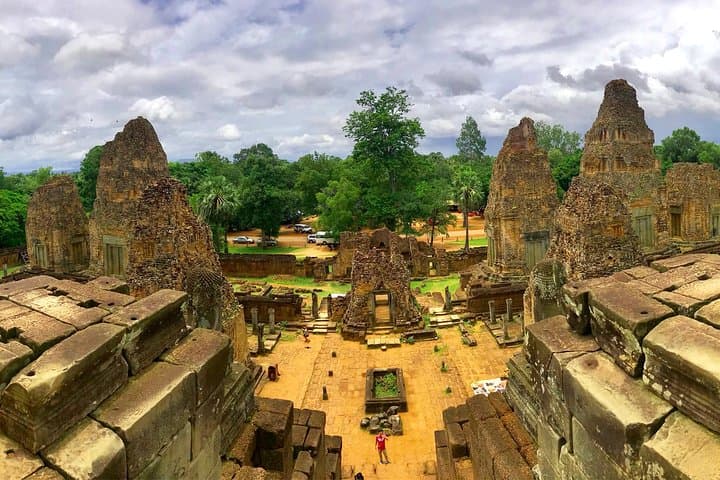
Arrive at least 30–45 minutes before sunset at Bakheng or Pre Rup; colors intensify as the sun drops and viewpoints fill quickly.
Lunch is typically arranged in or near Angkor Park; carry snacks if you prefer specific diets or have long gaps between stops.
Angkor Wat was built in the early 12th century under King Suryavarman II as a Hindu temple, later becoming a major Buddhist pilgrimage site; Angkor Thom was the later walled capital.
Entrance fees fund restoration and site management; stay on established paths, avoid touching bas-reliefs, and use local guides to support sustainable tourism.
Peacock Asia Tours operates guided outdoor trips and adventures with an emphasis on safety, stewardship, and memorable experiences.
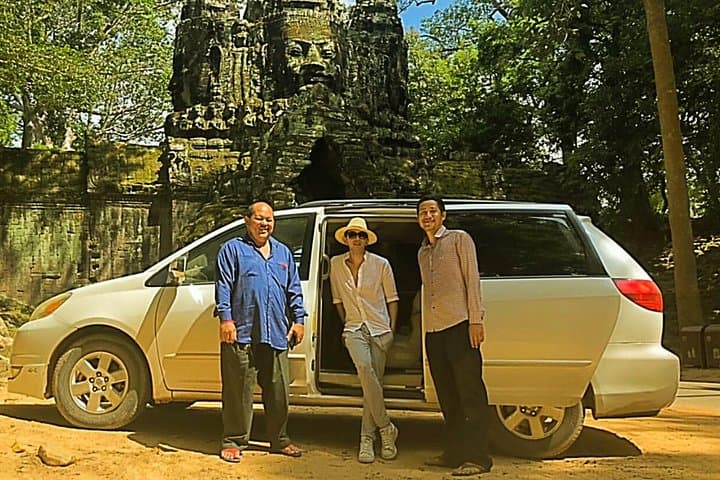
You step out of the air-conditioned van into a heat that presses at the skin; dust and incense drift between stone trees and carved faces as the guide points down a shaded causeway.
You step out of the air-conditioned van into a heat that presses at the skin; dust and incense drift between stone trees and carved faces as the guide points down a shaded causeway.
This full-day circuit threads the great sites of Angkor: the South Gate and terraces of Angkor Thom, the many-faced towers of Bayon, broad courtyards of Angkor Wat, and a sunset finish at Bakheng or Pre Rup. The stones here are sandstone and laterite—compressed and quarried from nearby deposits—carving the history of the Khmer empire across the 12th century.
Culturally the complex moves from Hindu cosmology to Buddhist practice; bas-reliefs tell stories of war, trade, and ritual, while modern pagodas and monks remain active around the ruins. The area’s low, palm-streaked forest and seasonal ponds shape how you move through the sites: shaded paths cool the midday walk, while the large moats reflect the temples’ geometric order.
Practical guidance: plan for 8–10 hours on foot and by vehicle, with many short walks between ruins. Bring a reusable water bottle, sunscreen, and respect modest dress—knees and shoulders covered are required. Temple tickets are purchased separately (single-day pass applies) and conserve funds support restoration.
Timing matters: mornings are cooler and less crowded at outer sites; the tour’s sunset slot offers dramatic silhouettes but can be busy—arrive early to claim a viewpoint. Stay on marked paths, avoid climbing fragile carvings, and carry local cash for small purchases and tips. This tour is an efficient, grounded way to see Angkor’s major features in a single, memorable day.