THE ADVENTURE COLLECTIVE® · Independent discovery and booking for outdoor travel

Explore Angkor’s monumental temples and the waterfalls of Phnom Kulen over two days. This itinerary pairs sunrise views at Angkor Wat with jungle trails, river carvings and a cooling waterfall — ideal for travelers who want cultural depth and active exploration.
Explore Angkor’s monumental temples and the waterfalls of Phnom Kulen over two days. This itinerary pairs sunrise views at Angkor Wat with jungle trails, river carvings and a cooling waterfall — ideal for travelers who want cultural depth and active exploration.
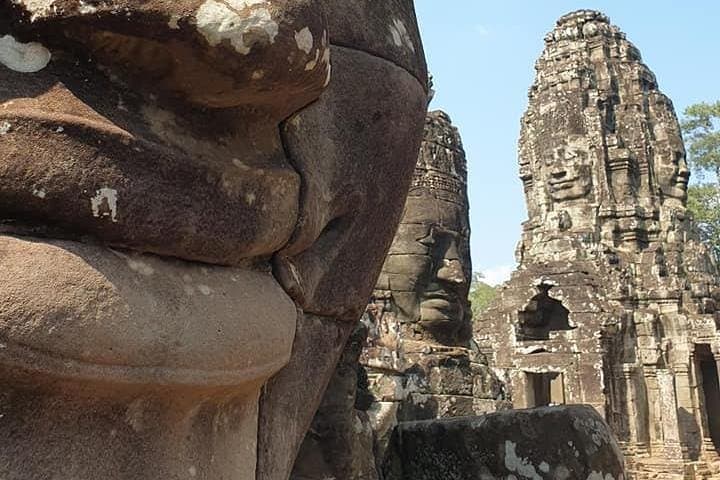
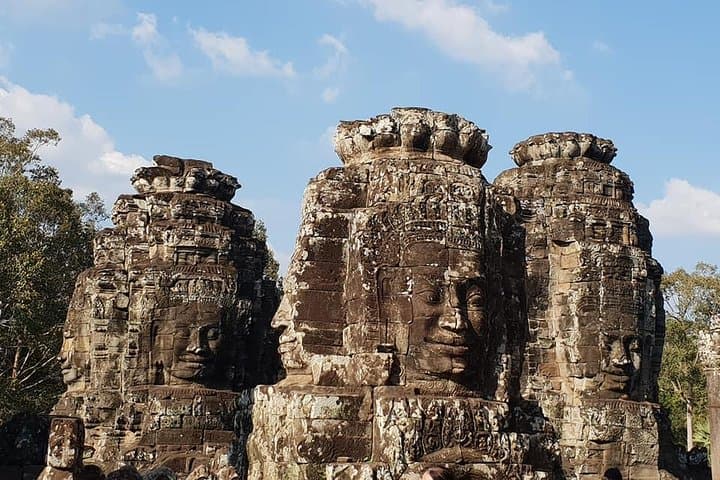
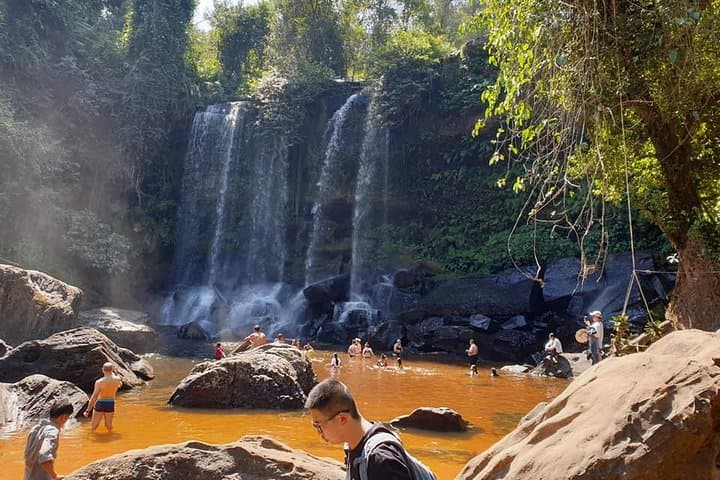
Dawn lifts over the west-facing moat of Angkor Wat and the air turns sticky with heat as the first light strikes polished sandstone. You move through corridors of carved apsaras at Angkor Wat, the smiling faces of Bayon, and the root-choked galleries of Ta Prohm; by the second day the landscape changes to the jungle-roughened ridges of Phnom Kulen, where a reclining Buddha and a tumbling waterfall wait.
Verified experiences and guided adventures in the surrounding area.
Operated by Angkor One Tour · Siem Reap, Siem Reap Province
Dawn lifts over the west-facing moat of Angkor Wat and the air turns sticky with heat as the first light strikes polished sandstone. You move through corridors of carved apsaras at Angkor Wat, the smiling faces of Bayon, and the root-choked galleries of Ta Prohm; by the second day the landscape changes to the jungle-roughened ridges of Phnom Kulen, where a reclining Buddha and a tumbling waterfall wait.
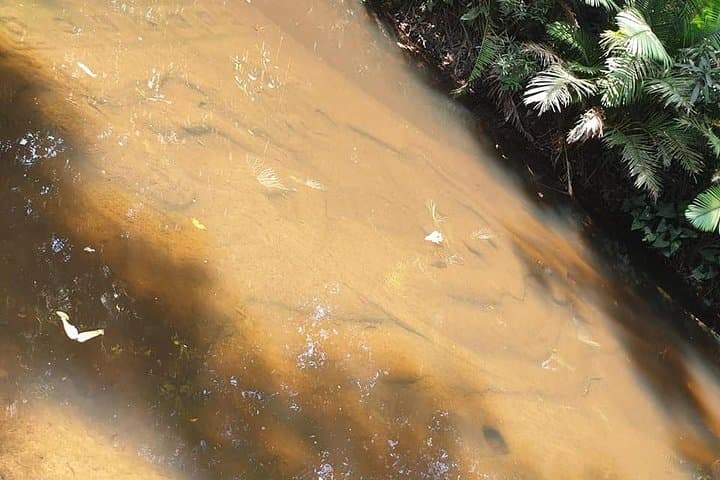
This route threads two eras: 12th-century royal devotion expressed in Angkor Wat’s terraces and bas-reliefs, and the earlier mythic gravity of Kulen—where Jayavarman II proclaimed the Khmer polity in 802 CE. Geologically, the park is carved from sandstone and laterite; Phnom Kulen’s higher elevation produces cooler air, sandstone outcrops and streams that sculpt the River of a Thousand Lingas.
Local culture is visible in village markets and riverside shrines; guides trained by Cambodia’s Ministry of Tourism can interpret iconography, offering context on Hindu-Buddhist syncretism and recent conservation choices.
Practical guidance: buy an Angkor Pass in advance (1- or 3-day options) and start temple visits at sunrise to avoid heat and crowds. Wear lightweight, modest clothing that covers shoulders and knees; a good pair of walking shoes will handle uneven temple steps. Expect about 1.5 hours of driving to Phnom Kulen from Siem Reap and plan for wet shoes if you visit the waterfall after rain. Carry cash for small stalls, bring sun protection and insect repellent, and allow at least two full days to cover the main sites without rushing.
moderate.
2 days (approx. 8–10 hours/day).
Moderate fitness required: comfortable walking over uneven ground and stairs for several hours, and short hikes at Phnom Kulen.
Yes — Angkor Archaeological Park requires a purchased pass (1-, 3-, or 7-day) available at the park entrance or online via official channels.
Most local operators include hotel pickup in Siem Reap; confirm pickup point and time when booking since shared tours may have set collection windows.
Yes, but caution is needed around steep steps and riverine areas; infants are typically required to sit on laps for transport.
Yes, but access and trail conditions vary: the dry season offers easier trails, while the wet season can make paths slippery and the waterfall more powerful.
Angkor was the political and religious center of the Khmer Empire; Phnom Kulen is traditionally cited as the site where Jayavarman II declared independence in 802 CE.
Angkor Archaeological Park is a UNESCO World Heritage site with active conservation to manage tourism impacts — follow guides, avoid touching carvings, and minimize plastic waste.
Angkor One Tour operates guided outdoor trips and adventures with an emphasis on safety, stewardship, and memorable experiences.
Dawn lifts over the west-facing moat of Angkor Wat and the air turns sticky with heat as the first light strikes polished sandstone. You move through corridors of carved apsaras at Angkor Wat, the smiling faces of Bayon, and the root-choked galleries of Ta Prohm; by the second day the landscape changes to the jungle-roughened ridges of Phnom Kulen, where a reclining Buddha and a tumbling waterfall wait.
Dawn lifts over the west-facing moat of Angkor Wat and the air turns sticky with heat as the first light strikes polished sandstone. You move through corridors of carved apsaras at Angkor Wat, the smiling faces of Bayon, and the root-choked galleries of Ta Prohm; by the second day the landscape changes to the jungle-roughened ridges of Phnom Kulen, where a reclining Buddha and a tumbling waterfall wait.
This route threads two eras: 12th-century royal devotion expressed in Angkor Wat’s terraces and bas-reliefs, and the earlier mythic gravity of Kulen—where Jayavarman II proclaimed the Khmer polity in 802 CE. Geologically, the park is carved from sandstone and laterite; Phnom Kulen’s higher elevation produces cooler air, sandstone outcrops and streams that sculpt the River of a Thousand Lingas.
Local culture is visible in village markets and riverside shrines; guides trained by Cambodia’s Ministry of Tourism can interpret iconography, offering context on Hindu-Buddhist syncretism and recent conservation choices.
Practical guidance: buy an Angkor Pass in advance (1- or 3-day options) and start temple visits at sunrise to avoid heat and crowds. Wear lightweight, modest clothing that covers shoulders and knees; a good pair of walking shoes will handle uneven temple steps. Expect about 1.5 hours of driving to Phnom Kulen from Siem Reap and plan for wet shoes if you visit the waterfall after rain. Carry cash for small stalls, bring sun protection and insect repellent, and allow at least two full days to cover the main sites without rushing.