THE ADVENTURE COLLECTIVE® · Independent discovery and booking for outdoor travel

Spend two nights in Siem Reap and a full day immersed in the Angkor complex: Angkor Wat, Bayon, Ta Prohm and more, guided with private transport and cultural context. Learn practical tips for timing, dress code and what to expect on long temple walks.
Spend two nights in Siem Reap and a full day immersed in the Angkor complex: Angkor Wat, Bayon, Ta Prohm and more, guided with private transport and cultural context. Learn practical tips for timing, dress code and what to expect on long temple walks.
Dawn over the Angkor moat is a slow, deliberate thing—mist lifts from still water, and the western towers of Angkor Wat silhouette like a city waking. On day two, tuk-tuk quiet replaced by the measured cadence of footsteps across stone causeways as your guide steers you through carved bas-reliefs and jungle-clasped galleries.
Verified experiences and guided adventures in the surrounding area.
Operated by Tour East Cambodia · Siem Reap, Siem Reap Province
Dawn over the Angkor moat is a slow, deliberate thing—mist lifts from still water, and the western towers of Angkor Wat silhouette like a city waking. On day two, tuk-tuk quiet replaced by the measured cadence of footsteps across stone causeways as your guide steers you through carved bas-reliefs and jungle-clasped galleries.
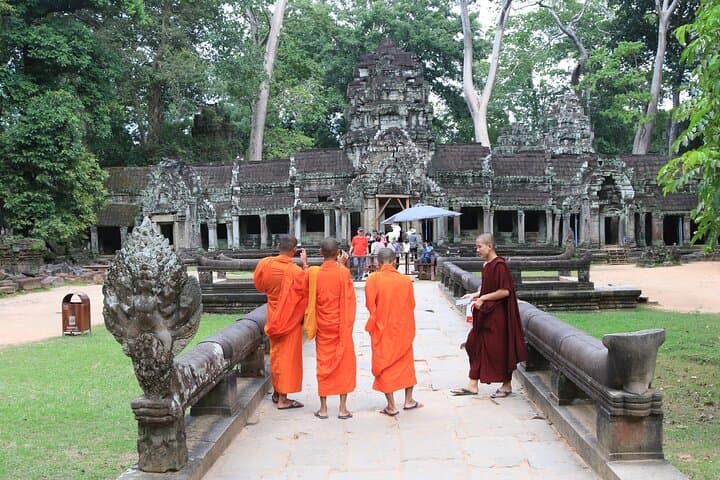
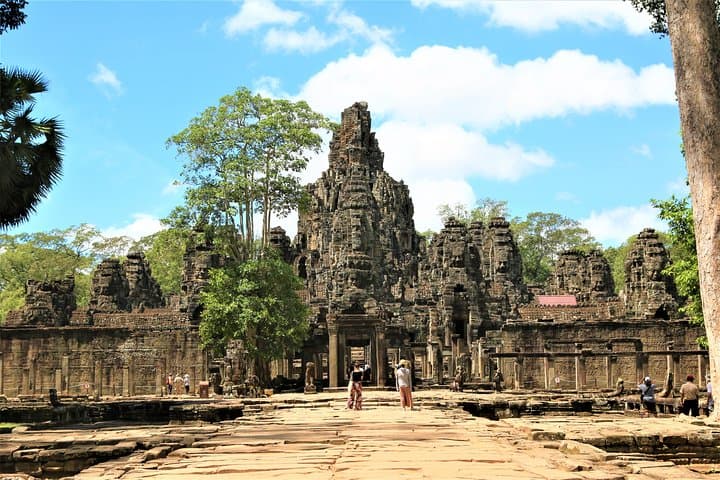
The three-day rhythm centers on history and architecture: Angkor Wat (12th century, Suryavarman II), the walled capital of Angkor Thom with the Bayon’s many smiling faces, and the root-entwined drama of Ta Prohm. Geology here is sandstone and laterite—soft in the weathered reliefs, durable in the palace terraces—shaped by monsoon cycles and centuries of human work. Local culture threads through the experience: Khmer cuisine at a midday meal, Buddhist observance around temple etiquette, and the modern stewardship that follows UNESCO designation in 1992.
Practically, this private package bundles two nights’ lodging, airport transfers, a one-day Angkor pass and an English-speaking guide—leaving mornings clear for cooler light and afternoons for the largest sites. Expect uneven stone, steep temple steps and long walking days; modest dress is enforced at sacred sites (shoulders and knees covered). Carry water, sun protection and small local currency for donations or souvenirs. If you want sunrise at Angkor Wat, plan an early start and confirm tower access on Buddhist dates. The tour treads both celebrated monuments and quieter corners, letting history speak while giving you tools—timing, dress, hydration—to make the most of one of Southeast Asia’s most readable landscapes.
easy.
2–3 days.
Suitable for most fitness levels; expect several hours walking on uneven stone and climbing steep temple steps.
This package includes a one-day Angkor pass; multi-day passes must be purchased separately if you wish to return to the park on other days.
Shoulders and knees must be covered in sacred areas—avoid shorts, sleeveless tops and short skirts to prevent denial of entry.
Transport is wheelchair accessible and the tour is suitable for many fitness levels, but many temple areas have steps and uneven ground—confirm specific needs with the operator.
December–February offers the coolest, driest conditions and is popular; visiting on weekdays and arriving at sunrise helps avoid the largest crowds.
Angkor was the heart of the Khmer Empire (9th–15th centuries); Angkor Wat was constructed in the early 12th century and the complex later became a UNESCO World Heritage site in 1992.
High visitor numbers stress fragile sandstone and jungle-claimed structures; follow marked paths, avoid climbing unrestored walls and support local conservation fees through official park tickets.
Tour East Cambodia operates guided outdoor trips and adventures with an emphasis on safety, stewardship, and memorable experiences.
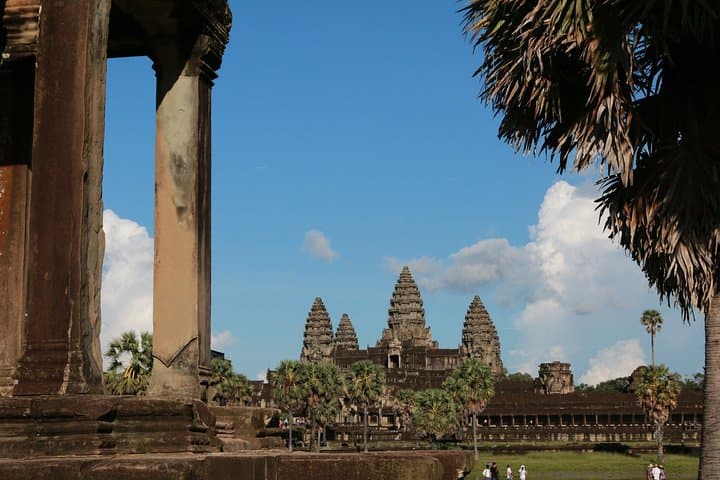
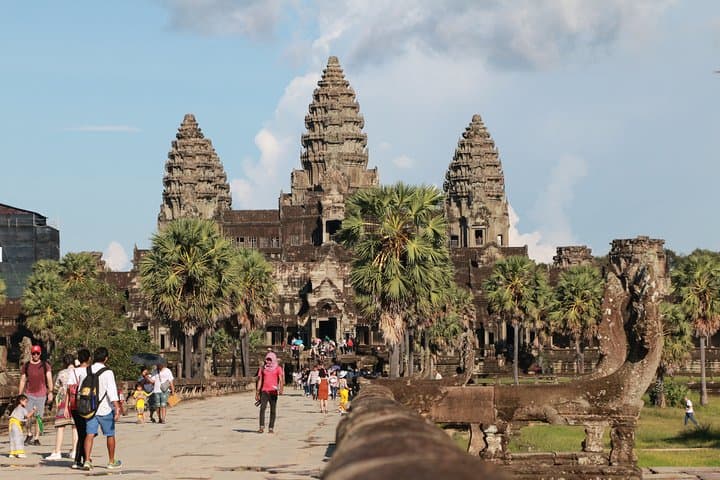
Dawn over the Angkor moat is a slow, deliberate thing—mist lifts from still water, and the western towers of Angkor Wat silhouette like a city waking. On day two, tuk-tuk quiet replaced by the measured cadence of footsteps across stone causeways as your guide steers you through carved bas-reliefs and jungle-clasped galleries.
Dawn over the Angkor moat is a slow, deliberate thing—mist lifts from still water, and the western towers of Angkor Wat silhouette like a city waking. On day two, tuk-tuk quiet replaced by the measured cadence of footsteps across stone causeways as your guide steers you through carved bas-reliefs and jungle-clasped galleries.
The three-day rhythm centers on history and architecture: Angkor Wat (12th century, Suryavarman II), the walled capital of Angkor Thom with the Bayon’s many smiling faces, and the root-entwined drama of Ta Prohm. Geology here is sandstone and laterite—soft in the weathered reliefs, durable in the palace terraces—shaped by monsoon cycles and centuries of human work. Local culture threads through the experience: Khmer cuisine at a midday meal, Buddhist observance around temple etiquette, and the modern stewardship that follows UNESCO designation in 1992.
Practically, this private package bundles two nights’ lodging, airport transfers, a one-day Angkor pass and an English-speaking guide—leaving mornings clear for cooler light and afternoons for the largest sites. Expect uneven stone, steep temple steps and long walking days; modest dress is enforced at sacred sites (shoulders and knees covered). Carry water, sun protection and small local currency for donations or souvenirs. If you want sunrise at Angkor Wat, plan an early start and confirm tower access on Buddhist dates. The tour treads both celebrated monuments and quieter corners, letting history speak while giving you tools—timing, dress, hydration—to make the most of one of Southeast Asia’s most readable landscapes.