THE ADVENTURE COLLECTIVE® · Independent discovery and booking for outdoor travel

A focused two-day private tour through Angkor’s highlights — Angkor Wat, Bayon, Ta Prohm and the jungle-ruin Beng Mealea — led by certified guides with hotel pickup. Early starts and local insight keep you ahead of the crowds and deep into Khmer history.
A focused two-day private tour through Angkor’s highlights — Angkor Wat, Bayon, Ta Prohm and the jungle-ruin Beng Mealea — led by certified guides with hotel pickup. Early starts and local insight keep you ahead of the crowds and deep into Khmer history.
Dawn breaks over the moat and the silhouette of Angkor Wat sharpens against pink sky. Your private guide leads the way along causeways slick with early light, the temple’s reflection trembling with the breeze as vendors roll out the day’s first stalls. Over two days you move from the monumental calm of Angkor Wat to the maze-like Bayon, the root-clad stones of Ta Prohm, and the jungle-sprawled mystery of Beng Mealea — each change of scale a new rhythm underfoot.
Verified experiences and guided adventures in the surrounding area.
Operated by Asia Private Guide Service · Siem Reap, Siem Reap Province
Dawn breaks over the moat and the silhouette of Angkor Wat sharpens against pink sky. Your private guide leads the way along causeways slick with early light, the temple’s reflection trembling with the breeze as vendors roll out the day’s first stalls. Over two days you move from the monumental calm of Angkor Wat to the maze-like Bayon, the root-clad stones of Ta Prohm, and the jungle-sprawled mystery of Beng Mealea — each change of scale a new rhythm underfoot.
This landscape remembers the Khmer Empire: 9th–13th century stonework hewn from sandstone and laterite, shaped by kings like Jayavarman VII and decorated with bas-reliefs that map mythology and daily life. The geology is straightforward — soft sandstone carved into fine detail, laterite foundations that resist humidity — but the slow return of forest gives many sites a lived-in, animated quality.
Expect Khmer hospitality in Siem Reap, morning markets near the temples, and certified guides who thread history and local stories into the route. Practicalities matter: your guide will help buy the Angkor Pass, and access rules change by site and season.
Bring comfortable walking shoes, sun protection, and a sense of patience for photography lines at signature sites. Start early to avoid heat and mid-day crowds; pockets of quiet exist if you detour to offbeat temples like Ta Nei. Over two active days you’ll cover varied terrain — paved causeways, stone steps and soft jungle ground — so hydrate, dress respectfully for religious sites, and leave room in your schedule for slow, attentive observation of carvings and light on stone.
moderate.
2 days (8–10 hours per day).
Suitable for average fitness: expect several hours of walking on uneven stone and soft ground each day.
Passes are purchased at the official checkpoint; your guide will assist you on arrival, but expect lines at peak times.
Some itineraries include fees while others don’t; confirm before booking — this tour notes admission is generally not included for certain temples.
Yes — the pace is adjustable and guides tailor routes, but prepare for uneven ground and heat; request a gentler itinerary if needed.
Photography is allowed in most areas, but avoid tripods in crowded spots and follow signage or guide instructions near conservation-sensitive carvings.
The Angkor complex grew under successive Khmer kings; Jayavarman VII (12th century) left a strong imprint with Bayon and many Buddhist monuments.
Angkor is a UNESCO World Heritage Site with active conservation programs; visitors should avoid touching bas-reliefs, follow marked routes and support local conservation fees.
Asia Private Guide Service operates guided outdoor trips and adventures with an emphasis on safety, stewardship, and memorable experiences.
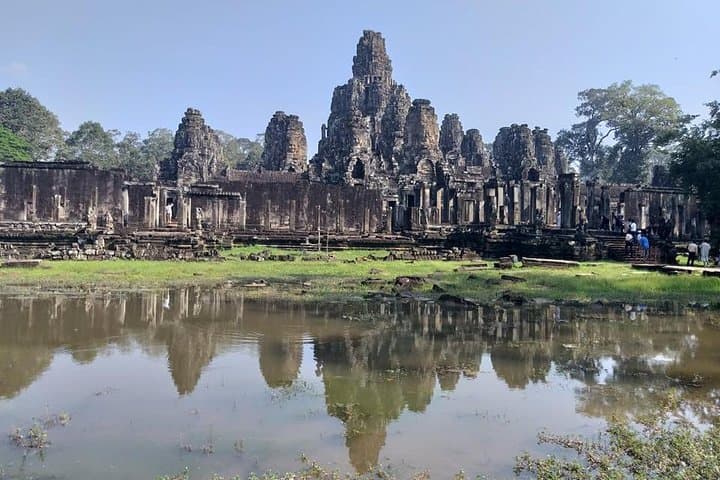
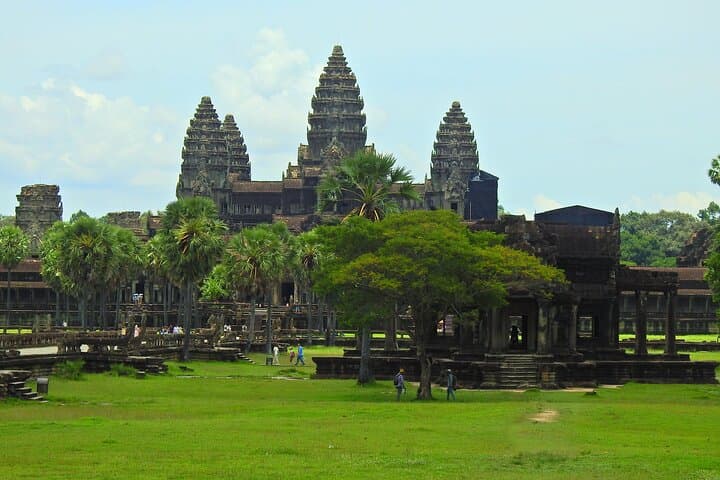


Dawn breaks over the moat and the silhouette of Angkor Wat sharpens against pink sky. Your private guide leads the way along causeways slick with early light, the temple’s reflection trembling with the breeze as vendors roll out the day’s first stalls. Over two days you move from the monumental calm of Angkor Wat to the maze-like Bayon, the root-clad stones of Ta Prohm, and the jungle-sprawled mystery of Beng Mealea — each change of scale a new rhythm underfoot.
Dawn breaks over the moat and the silhouette of Angkor Wat sharpens against pink sky. Your private guide leads the way along causeways slick with early light, the temple’s reflection trembling with the breeze as vendors roll out the day’s first stalls. Over two days you move from the monumental calm of Angkor Wat to the maze-like Bayon, the root-clad stones of Ta Prohm, and the jungle-sprawled mystery of Beng Mealea — each change of scale a new rhythm underfoot.
This landscape remembers the Khmer Empire: 9th–13th century stonework hewn from sandstone and laterite, shaped by kings like Jayavarman VII and decorated with bas-reliefs that map mythology and daily life. The geology is straightforward — soft sandstone carved into fine detail, laterite foundations that resist humidity — but the slow return of forest gives many sites a lived-in, animated quality.
Expect Khmer hospitality in Siem Reap, morning markets near the temples, and certified guides who thread history and local stories into the route. Practicalities matter: your guide will help buy the Angkor Pass, and access rules change by site and season.
Bring comfortable walking shoes, sun protection, and a sense of patience for photography lines at signature sites. Start early to avoid heat and mid-day crowds; pockets of quiet exist if you detour to offbeat temples like Ta Nei. Over two active days you’ll cover varied terrain — paved causeways, stone steps and soft jungle ground — so hydrate, dress respectfully for religious sites, and leave room in your schedule for slow, attentive observation of carvings and light on stone.