THE ADVENTURE COLLECTIVE® · Independent discovery and booking for outdoor travel

A full-day culture-and-nature circuit from Siem Reap that pairs the sacred falls and lingas of Phnom Kulen with the overgrown ruins of Beng Mealea and a late-afternoon Sampan ride through Kampong Phluk. Expect swimming, temple scrambling, and a close look at life on Tonle Sap.
A full-day culture-and-nature circuit from Siem Reap that pairs the sacred falls and lingas of Phnom Kulen with the overgrown ruins of Beng Mealea and a late-afternoon Sampan ride through Kampong Phluk. Expect swimming, temple scrambling, and a close look at life on Tonle Sap.
You start before dawn on the road out of Siem Reap, dust lifting as the tuk-tuk or private van winds toward the green backbone of Phnom Kulen. The mountain’s stream dares you to cool off beneath a wide cascade; downstream the riverbed bears a grid of carved lingas that have waited here since the ninth century.
Verified experiences and guided adventures in the surrounding area.
Operated by Siem Reap Guide · Siem Reap, Siem Reap Province
You start before dawn on the road out of Siem Reap, dust lifting as the tuk-tuk or private van winds toward the green backbone of Phnom Kulen. The mountain’s stream dares you to cool off beneath a wide cascade; downstream the riverbed bears a grid of carved lingas that have waited here since the ninth century.
This full-day loop stitches together Khmer history and seasonal life on Tonle Sap. Phnom Kulen was Mahendraparvarta in the Angkorian era, a sacred highland where carving and devotion met jungle. Beng Mealea, by contrast, wears the slow claim of banyan and fig roots—temple blocks half-swallowed by vegetation and ideal for quiet exploration if you have a valid Angkor pass. By late afternoon, Sampan skiffs in Kampong Phluk slide alongside stilts and floating gardens, an adaptive culture shaped by the lake’s rise and fall.
Geology here is sandstone and alluvial plain—rock that holds bas-relief and fractures into ruinous blocks—while the Tonle Sap’s flood pulse defines local livelihoods. Expect uneven stone, muddy trails after rain, and close-up views of stilted houses at water level.
Practical guidance: carry cash for Beng Mealea admission if it’s not included, wear sturdy, closed-toe shoes for temple rubble, and bring swimwear and a towel for Phnom Kulen’s waterfall. Start early to beat traffic and late-day heat; sunscreen, insect repellent and a reusable water bottle will keep you moving. The day rewards steady pacing: archaeology, a cooling swim, and a sunset glide across Cambodia’s great lake.
moderate.
8–9 hours.
Moderate fitness; able to walk uneven trails and manage short climbs over temple rubble.
Yes — Beng Mealea is within the Angkor Archaeological Park system; a valid Angkor pass is required and may be checked on entry.
Yes, swimming is common at designated pool areas, but exercise caution on slick rocks and follow local guide instructions.
Most tours include hotel pickup and drop-off within Siem Reap; confirm your pickup time when booking.
US dollars are widely accepted for admissions and tips; smaller denominations are recommended for on-site fees.
Phnom Kulen was an early Angkorian religious center called Mahendraparvarta; the carved lingas in the riverbed date to the 9th century while the Reclining Buddha at Preah Ang Thom was shaped later around the 16th century.
Tonle Sap’s unique flood cycle supports fish stocks and communities but is sensitive to upstream development and overfishing; visitors should avoid single-use plastics and follow local guidance to minimize impact.
Siem Reap Guide operates guided outdoor trips and adventures with an emphasis on safety, stewardship, and memorable experiences.
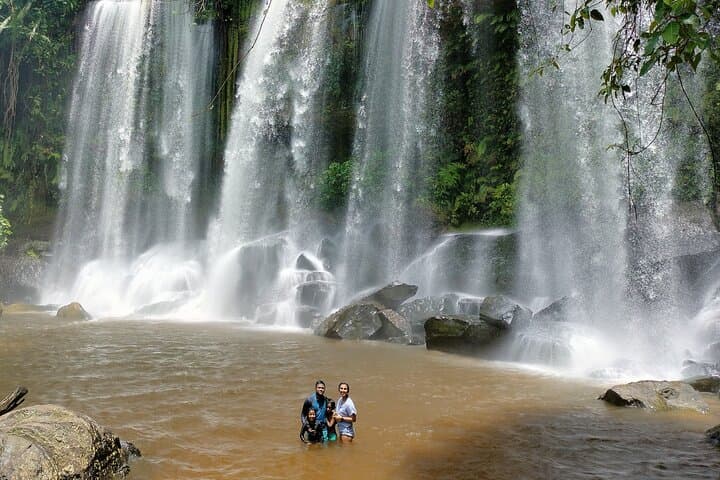
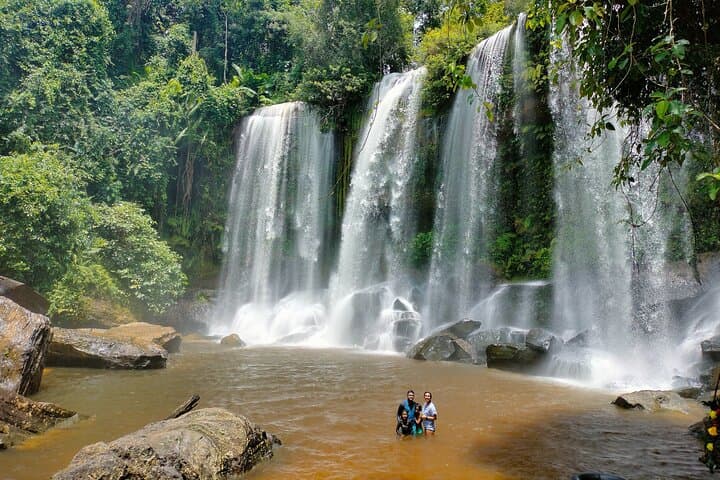
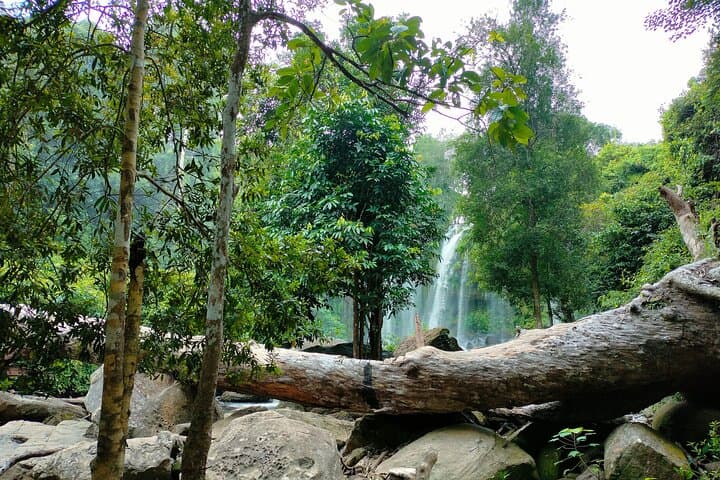
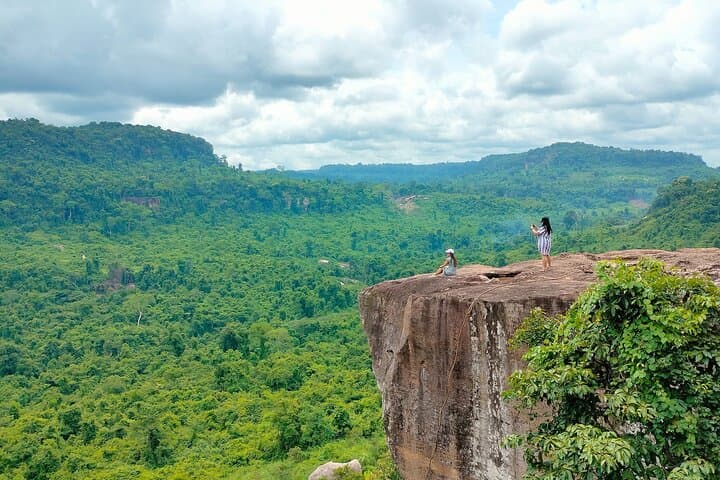
You start before dawn on the road out of Siem Reap, dust lifting as the tuk-tuk or private van winds toward the green backbone of Phnom Kulen. The mountain’s stream dares you to cool off beneath a wide cascade; downstream the riverbed bears a grid of carved lingas that have waited here since the ninth century.
You start before dawn on the road out of Siem Reap, dust lifting as the tuk-tuk or private van winds toward the green backbone of Phnom Kulen. The mountain’s stream dares you to cool off beneath a wide cascade; downstream the riverbed bears a grid of carved lingas that have waited here since the ninth century.
This full-day loop stitches together Khmer history and seasonal life on Tonle Sap. Phnom Kulen was Mahendraparvarta in the Angkorian era, a sacred highland where carving and devotion met jungle. Beng Mealea, by contrast, wears the slow claim of banyan and fig roots—temple blocks half-swallowed by vegetation and ideal for quiet exploration if you have a valid Angkor pass. By late afternoon, Sampan skiffs in Kampong Phluk slide alongside stilts and floating gardens, an adaptive culture shaped by the lake’s rise and fall.
Geology here is sandstone and alluvial plain—rock that holds bas-relief and fractures into ruinous blocks—while the Tonle Sap’s flood pulse defines local livelihoods. Expect uneven stone, muddy trails after rain, and close-up views of stilted houses at water level.
Practical guidance: carry cash for Beng Mealea admission if it’s not included, wear sturdy, closed-toe shoes for temple rubble, and bring swimwear and a towel for Phnom Kulen’s waterfall. Start early to beat traffic and late-day heat; sunscreen, insect repellent and a reusable water bottle will keep you moving. The day rewards steady pacing: archaeology, a cooling swim, and a sunset glide across Cambodia’s great lake.