THE ADVENTURE COLLECTIVE® · Independent discovery and booking for outdoor travel

A full-day private drive from Siem Reap to Preah Vihear, Koh Ker and Beng Mealea that blends remote temple exploration with long rural drives. Expect stair climbs, overgrown corridors, panoramic ridge-top views and local roadside culture.
A full-day private drive from Siem Reap to Preah Vihear, Koh Ker and Beng Mealea that blends remote temple exploration with long rural drives. Expect stair climbs, overgrown corridors, panoramic ridge-top views and local roadside culture.
You arrive before dawn as the road unfurls north from Siem Reap — rice paddies slide by and, gradually, the soundtrack changes from scooters to birds and distant engine hum. By midmorning you’re climbing toward Preah Vihear’s rooftop perch; the temple sits above the plain at about 645 meters, its terraces breathing wind and long views that dare you to look across Cambodia’s borderlands.
Verified experiences and guided adventures in the surrounding area.
Operated by Siem Reap Guide · Siem Reap, Siem Reap Province
You arrive before dawn as the road unfurls north from Siem Reap — rice paddies slide by and, gradually, the soundtrack changes from scooters to birds and distant engine hum. By midmorning you’re climbing toward Preah Vihear’s rooftop perch; the temple sits above the plain at about 645 meters, its terraces breathing wind and long views that dare you to look across Cambodia’s borderlands.
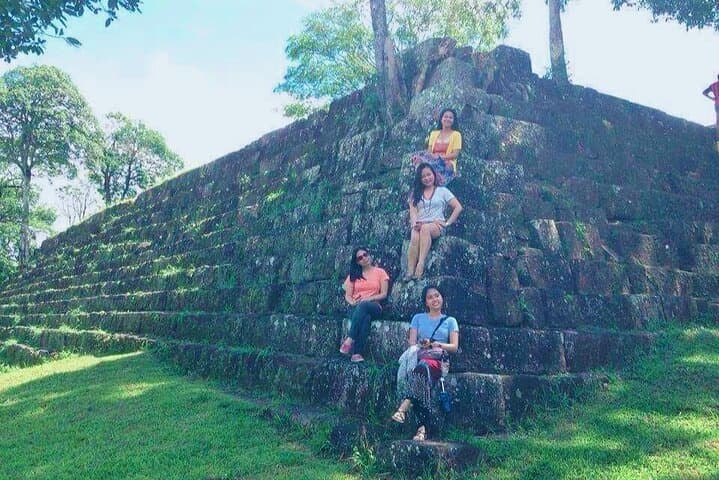
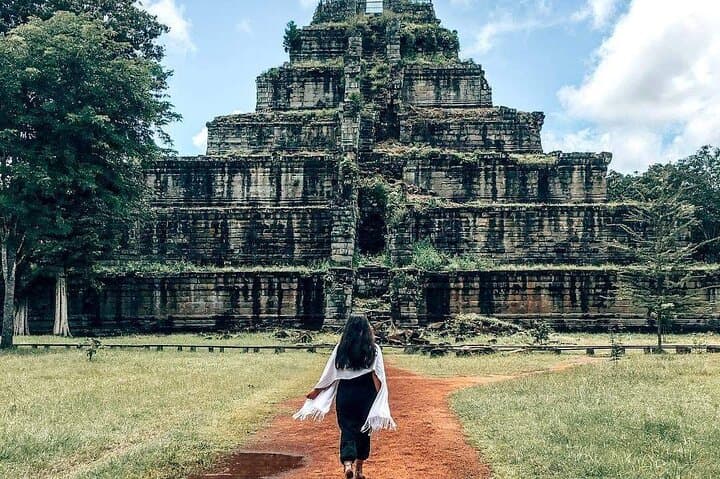
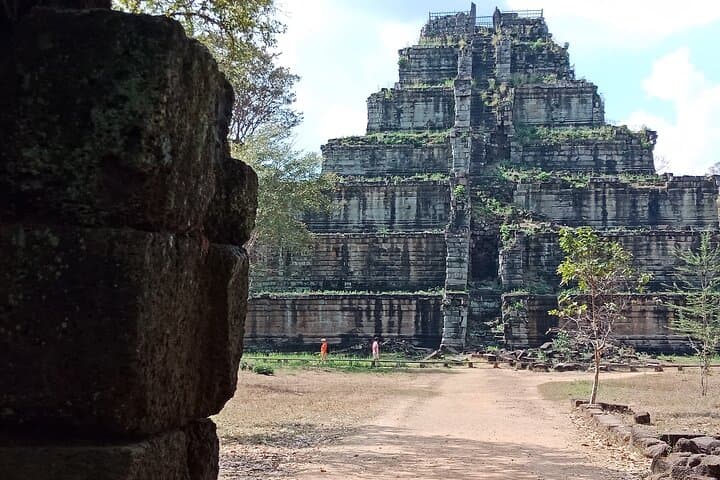
These sites map three chapters of Angkor-era expansion and rural life. Koh Ker was briefly a capital in the 10th–11th centuries and Prasat Thom’s seven-tiered pyramid reads like an experimental architectural claim. Beng Mealea is the classic overgrown ruin — corridors half-swallowed by fig and vine — while Preah Vihear’s mountaintop placement made it a contested sacred site with a strategic view across provinces.
Geology here is red sandstone and laterite; temples were quarried and stacked, then weathered by monsoon and forest. Local communities still practice rice farming and traditional crafts along the route; expect roadside markets and simple kiosks serving banana and coffee.
Practical guidance: this is a long (10–12 hour) private day tour with several short walks, stair climbs and uneven stone. Wear closed-toe walking shoes, cover shoulders and knees for temple respect, and bring 2–3 liters of water. Start early to avoid midday heat, keep a small towel for sweat, and charge spare batteries — the light is great at dawn and late afternoon. If you’re prone to motion sickness, take precautions for long rural drives. Check temple entry requirements (Angkor/Preah Vihear passes may apply) and allow time for photography; the remote sites reward patience.
moderate.
10–12 hours.
Moderate fitness: able to handle multiple short climbs, stairs and a full day of walking interspersed with long drives.
Koh Ker is roughly 100–120 km north of Siem Reap (about 2–3 hours by road), Beng Mealea around 60–70 km (1.5–2 hours), and Preah Vihear requires longer drives onto higher terrain — plan a full day.
Koh Ker and Beng Mealea are part of the wider Angkor archaeological area and may require a ticket; Preah Vihear has its own access rules — confirm with your operator before travel and carry ID for pass purchases.
Sites involve uneven steps and rocky paths; travelers should have basic mobility. Infants must sit on laps for vehicle travel; those with spinal or heart conditions should consult a doctor before booking.
Drone rules in Cambodia are strict and often require permits; check local regulations and your guide’s policy — many sites prohibit drones without prior authorization.
Koh Ker served briefly as Angkor’s capital in the 10th–11th century and shows experimental pyramid forms; Preah Vihear sits on a sacred ridge with centuries of religious significance.
These temples face pressure from weathering, vegetation growth and visitor impact; stick to paths, avoid touching carved surfaces and support local guides who practice low-impact tourism.
Siem Reap Guide operates guided outdoor trips and adventures with an emphasis on safety, stewardship, and memorable experiences.
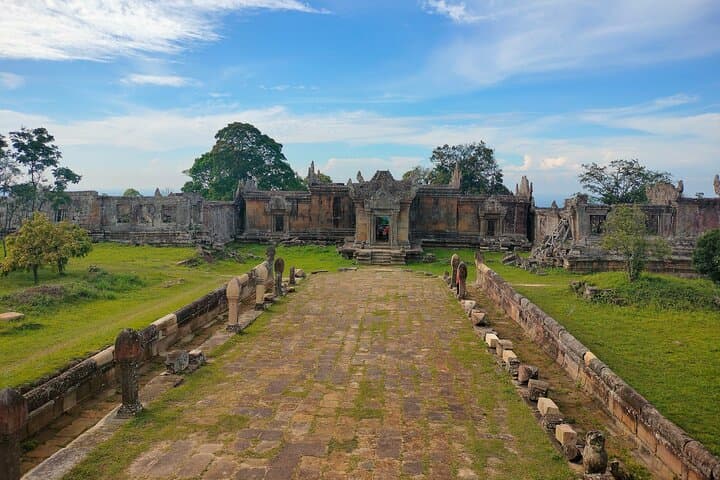
You arrive before dawn as the road unfurls north from Siem Reap — rice paddies slide by and, gradually, the soundtrack changes from scooters to birds and distant engine hum. By midmorning you’re climbing toward Preah Vihear’s rooftop perch; the temple sits above the plain at about 645 meters, its terraces breathing wind and long views that dare you to look across Cambodia’s borderlands.
You arrive before dawn as the road unfurls north from Siem Reap — rice paddies slide by and, gradually, the soundtrack changes from scooters to birds and distant engine hum. By midmorning you’re climbing toward Preah Vihear’s rooftop perch; the temple sits above the plain at about 645 meters, its terraces breathing wind and long views that dare you to look across Cambodia’s borderlands.
These sites map three chapters of Angkor-era expansion and rural life. Koh Ker was briefly a capital in the 10th–11th centuries and Prasat Thom’s seven-tiered pyramid reads like an experimental architectural claim. Beng Mealea is the classic overgrown ruin — corridors half-swallowed by fig and vine — while Preah Vihear’s mountaintop placement made it a contested sacred site with a strategic view across provinces.
Geology here is red sandstone and laterite; temples were quarried and stacked, then weathered by monsoon and forest. Local communities still practice rice farming and traditional crafts along the route; expect roadside markets and simple kiosks serving banana and coffee.
Practical guidance: this is a long (10–12 hour) private day tour with several short walks, stair climbs and uneven stone. Wear closed-toe walking shoes, cover shoulders and knees for temple respect, and bring 2–3 liters of water. Start early to avoid midday heat, keep a small towel for sweat, and charge spare batteries — the light is great at dawn and late afternoon. If you’re prone to motion sickness, take precautions for long rural drives. Check temple entry requirements (Angkor/Preah Vihear passes may apply) and allow time for photography; the remote sites reward patience.