THE ADVENTURE COLLECTIVE® · Independent discovery and booking for outdoor travel

Walk the Roman streets that inspired Dan Brown’s Angels & Demons: a three-hour small-group tour blending papal history, baroque art, and literary detective work. Expect exterior highlights, two church interiors, and streets paved in travertine and tufa.
Walk the Roman streets that inspired Dan Brown’s Angels & Demons: a three-hour small-group tour blending papal history, baroque art, and literary detective work. Expect exterior highlights, two church interiors, and streets paved in travertine and tufa.
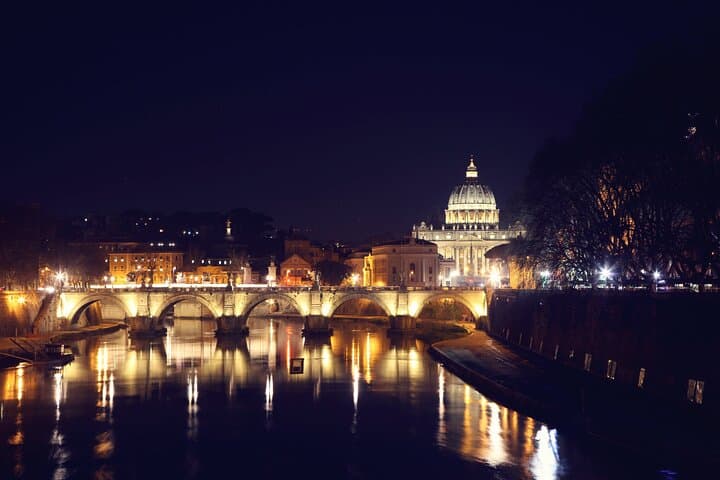
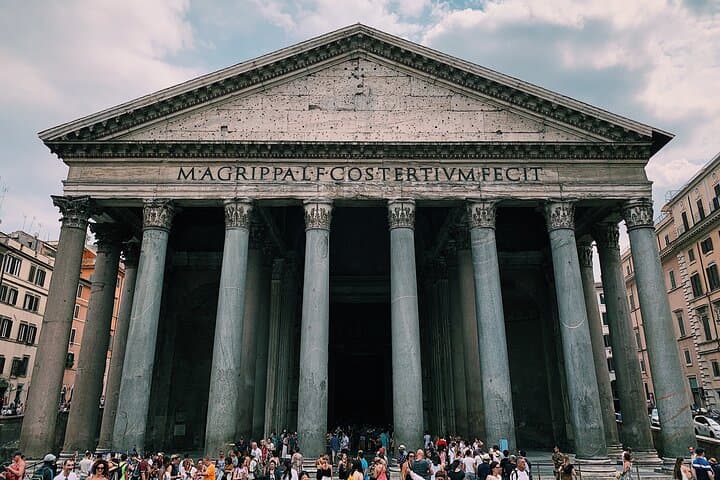
You step out of the shadow of St. Peter’s colonnade into a sun-warmed corridor of stone and rumor. The guide threads together narrow alleys and broad piazze, pointing to a carved keystone or a fountain mouth as if revealing a clue. Over three hours the city becomes a staged set: baroque façades, papal monuments, and the steady curve of the Tiber daring you to look deeper.
Verified experiences and guided adventures in the surrounding area.
Operated by Happy walks · Rome, Lazio
You step out of the shadow of St. Peter’s colonnade into a sun-warmed corridor of stone and rumor. The guide threads together narrow alleys and broad piazze, pointing to a carved keystone or a fountain mouth as if revealing a clue. Over three hours the city becomes a staged set: baroque façades, papal monuments, and the steady curve of the Tiber daring you to look deeper.
This walk follows places popularized by Dan Brown but rooted in far older stories: papal power plays, Renaissance patronage, and the stone language of travertine and tufa that built Rome’s public face. You’ll pass St. Peter’s Square and the Castel Sant’Angelo—once Hadrian’s mausoleum turned fortress—and examine Bernini-era urbanism at Piazza del Popolo. Interiors include Santa Maria del Popolo (Cappella Chigi) and Santa Maria della Vittoria, where Bernini’s Ecstasy anchors a tiny chapel with outsized drama.
Expect mostly paved streets and city steps with a steady urban rhythm rather than rugged terrain. The guide balances literary hooks with historical context—art commissions, papal rivalries, and how Rome’s geology shaped its architecture. Practical notes: several exterior-only stops, modest interior entry at two churches, and a small-group format that keeps the pace conversational.
Bring comfortable shoes, modest church attire, and a lightweight rain layer in shoulder seasons. The tour is ideal for curious walkers who want layered history and clear logistics—three hours that read like a short, sharp course in Rome’s public theater.
easy.
3 hours.
Suitable for travelers who can walk 2–4 miles on paved streets and stand through short talks.
Meet at St. Peter’s Square near the colonnade; the tour runs for three hours—confirm exact time on your booking voucher.
Most stops are exterior; the tour includes interior visits to Santa Maria del Popolo (Cappella Chigi) and Santa Maria della Vittoria when open.
Paved streets and some steps mean parts are stroller-friendly, but there are cobbles and steps that may be challenging for limited mobility—contact the operator for accommodations.
The tour generally runs in light rain—major weather cancellations are rare; check the operator’s cancellation policy for refunds.
The route ties modern storytelling to layered Roman history: from imperial mausoleums to papal processions and baroque urban planning.
Respect sacred interiors and avoid touching artworks; stick to sidewalks and reduce single-use plastic—Rome’s historic fabric is fragile.
Happy walks operates guided outdoor trips and adventures with an emphasis on safety, stewardship, and memorable experiences.
You step out of the shadow of St. Peter’s colonnade into a sun-warmed corridor of stone and rumor. The guide threads together narrow alleys and broad piazze, pointing to a carved keystone or a fountain mouth as if revealing a clue. Over three hours the city becomes a staged set: baroque façades, papal monuments, and the steady curve of the Tiber daring you to look deeper.
You step out of the shadow of St. Peter’s colonnade into a sun-warmed corridor of stone and rumor. The guide threads together narrow alleys and broad piazze, pointing to a carved keystone or a fountain mouth as if revealing a clue. Over three hours the city becomes a staged set: baroque façades, papal monuments, and the steady curve of the Tiber daring you to look deeper.
This walk follows places popularized by Dan Brown but rooted in far older stories: papal power plays, Renaissance patronage, and the stone language of travertine and tufa that built Rome’s public face. You’ll pass St. Peter’s Square and the Castel Sant’Angelo—once Hadrian’s mausoleum turned fortress—and examine Bernini-era urbanism at Piazza del Popolo. Interiors include Santa Maria del Popolo (Cappella Chigi) and Santa Maria della Vittoria, where Bernini’s Ecstasy anchors a tiny chapel with outsized drama.
Expect mostly paved streets and city steps with a steady urban rhythm rather than rugged terrain. The guide balances literary hooks with historical context—art commissions, papal rivalries, and how Rome’s geology shaped its architecture. Practical notes: several exterior-only stops, modest interior entry at two churches, and a small-group format that keeps the pace conversational.
Bring comfortable shoes, modest church attire, and a lightweight rain layer in shoulder seasons. The tour is ideal for curious walkers who want layered history and clear logistics—three hours that read like a short, sharp course in Rome’s public theater.