THE ADVENTURE COLLECTIVE® · Independent discovery and booking for outdoor travel

Spend a full day exploring Andong’s Hahoe Village from Seoul: cliff-top views, living Joseon-era houses, a mask museum with hands-on programs, and a serene Confucian academy. This private tour includes transport and admissions for a focused cultural immersion.
Spend a full day exploring Andong’s Hahoe Village from Seoul: cliff-top views, living Joseon-era houses, a mask museum with hands-on programs, and a serene Confucian academy. This private tour includes transport and admissions for a focused cultural immersion.
Stand at Buyongdae cliff and the village unfurls like a map folded by the river: curving thatch roofs, narrow lanes, and the Nakdong River pushing a cool edge against the fields below. The view from the cliff is the first clear reminder that Hahoe isn’t a recreated set — it’s lived-in history, carved into a bend of land where geology and community guided settlement patterns for centuries.
Verified experiences and guided adventures in the surrounding area.
Operated by Outdoors Korea · Andong, North Gyeongsang
Stand at Buyongdae cliff and the village unfurls like a map folded by the river: curving thatch roofs, narrow lanes, and the Nakdong River pushing a cool edge against the fields below. The view from the cliff is the first clear reminder that Hahoe isn’t a recreated set — it’s lived-in history, carved into a bend of land where geology and community guided settlement patterns for centuries.
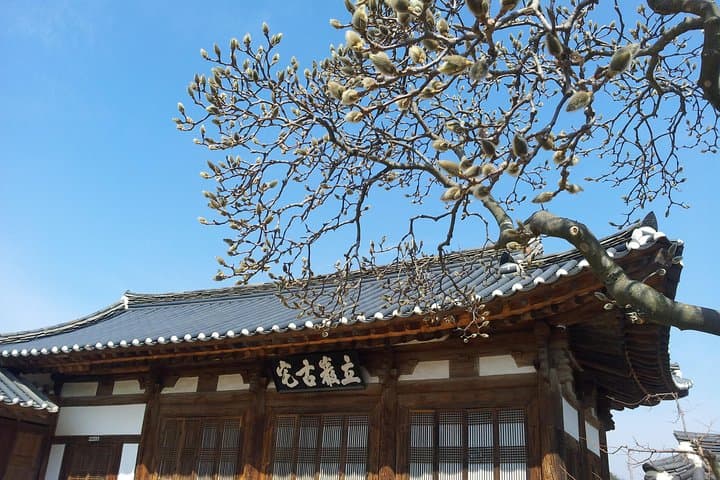
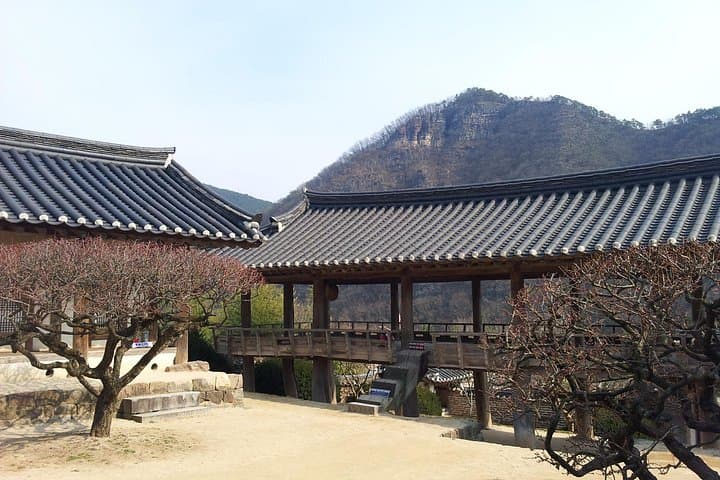
Hahoe Village preserves a strong Joseon-era imprint: clan houses sit on gentle terraces, tiled roofs line stone walls, and the Byeongsan mountain range forms a protective backdrop. The Hahoe mask tradition — a performance art registered as an Important Intangible Cultural Property — grew here, and the small Mask Museum houses regional and global examples while offering hands-on programs for visitors. Byeongsanseowon, the Confucian academy nearby, reflects Korea’s scholarly past and the social importance of education and ritual across the peninsula.
Practically, this is a long day: expect roughly three hours each way from Seoul by private vehicle, with 11–12 hours total on a private itinerary that includes viewpoints, museum time, and a stroll through uneven village lanes. Wear sturdy shoes for cobbled paths, bring a light jacket for riverside wind, and time your visit on weekdays or off-season to avoid crowds. Entrance fees and pickup from Seoul are included on this tour; allow extra minutes for photo stops and a slow walk through the village to appreciate courtyard layouts and mask displays. The route rewards patience — the landscape, people, and performances keep proving why Hahoe earned UNESCO recognition.
easy.
11–12 hours.
Suitable for most fitness levels; involves several short walks on uneven surfaces and standing during museum visits.
The drive is about three hours each way; expect a total tour time of roughly 11–12 hours including stops.
Yes—this private tour includes all entrance fees listed in the itinerary, including museums and heritage sites.
Yes—walks are short and at a relaxed pace, but there are uneven surfaces; children should be supervised in village lanes and near riverbanks.
The tour includes a driving guide who provides cultural and historical commentary; confirm language needs when booking if you require a specific language.
Hahoe Village preserves clan-based housing patterns from the Joseon period; its mask dances and Confucian academies reflect centuries of local ritual and scholarship.
As a living village and UNESCO site, Hahoe balances tourism with resident life—visitors are encouraged to stay on paths, respect private property, and follow museum rules to minimize impact.
Outdoors Korea operates guided outdoor trips and adventures with an emphasis on safety, stewardship, and memorable experiences.
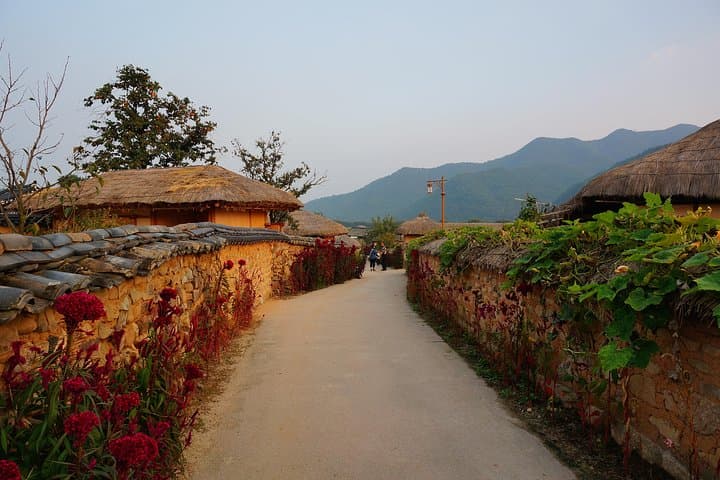
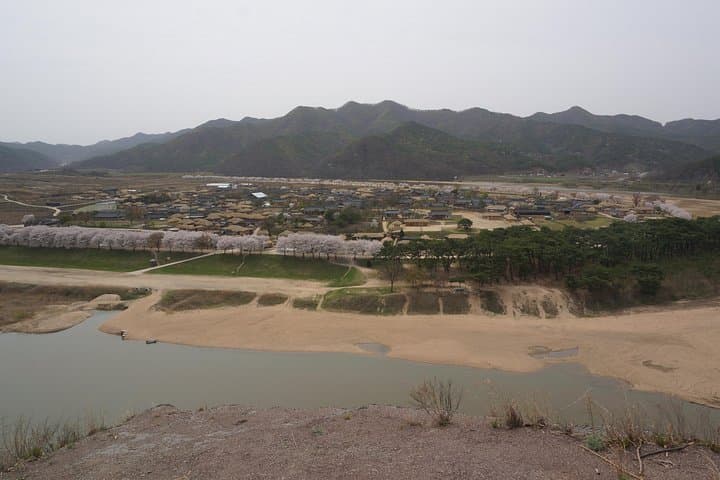
Stand at Buyongdae cliff and the village unfurls like a map folded by the river: curving thatch roofs, narrow lanes, and the Nakdong River pushing a cool edge against the fields below. The view from the cliff is the first clear reminder that Hahoe isn’t a recreated set — it’s lived-in history, carved into a bend of land where geology and community guided settlement patterns for centuries.
Stand at Buyongdae cliff and the village unfurls like a map folded by the river: curving thatch roofs, narrow lanes, and the Nakdong River pushing a cool edge against the fields below. The view from the cliff is the first clear reminder that Hahoe isn’t a recreated set — it’s lived-in history, carved into a bend of land where geology and community guided settlement patterns for centuries.
Hahoe Village preserves a strong Joseon-era imprint: clan houses sit on gentle terraces, tiled roofs line stone walls, and the Byeongsan mountain range forms a protective backdrop. The Hahoe mask tradition — a performance art registered as an Important Intangible Cultural Property — grew here, and the small Mask Museum houses regional and global examples while offering hands-on programs for visitors. Byeongsanseowon, the Confucian academy nearby, reflects Korea’s scholarly past and the social importance of education and ritual across the peninsula.
Practically, this is a long day: expect roughly three hours each way from Seoul by private vehicle, with 11–12 hours total on a private itinerary that includes viewpoints, museum time, and a stroll through uneven village lanes. Wear sturdy shoes for cobbled paths, bring a light jacket for riverside wind, and time your visit on weekdays or off-season to avoid crowds. Entrance fees and pickup from Seoul are included on this tour; allow extra minutes for photo stops and a slow walk through the village to appreciate courtyard layouts and mask displays. The route rewards patience — the landscape, people, and performances keep proving why Hahoe earned UNESCO recognition.