THE ADVENTURE COLLECTIVE® · Independent discovery and booking for outdoor travel

Step into a warm, living greenhouse minutes from Cristo Rey where caterpillars become chrysalises and adults take flight. The Andoke Butterfly Center pairs hands-on education with a symbolic release ritual — a quiet, family-friendly way to connect with tropical pollinators.
Step into a warm, living greenhouse minutes from Cristo Rey where caterpillars become chrysalises and adults take flight. The Andoke Butterfly Center pairs hands-on education with a symbolic release ritual — a quiet, family-friendly way to connect with tropical pollinators.
The greenhouse air is warm and humid the moment you step through the door — a mottled light filters through mesh screens, and wings like stained glass drift around your shoulders. The Andoke Butterfly Center lies just off the road to Cristo Rey, a small living laboratory where eggs, caterpillars, chrysalises and glossy adults form a continuous cycle visitors can witness.
Verified experiences and guided adventures in the surrounding area.
Operated by Mariposario Andoke · Cali, Valle del Cauca
The greenhouse air is warm and humid the moment you step through the door — a mottled light filters through mesh screens, and wings like stained glass drift around your shoulders. The Andoke Butterfly Center lies just off the road to Cristo Rey, a small living laboratory where eggs, caterpillars, chrysalises and glossy adults form a continuous cycle visitors can witness.
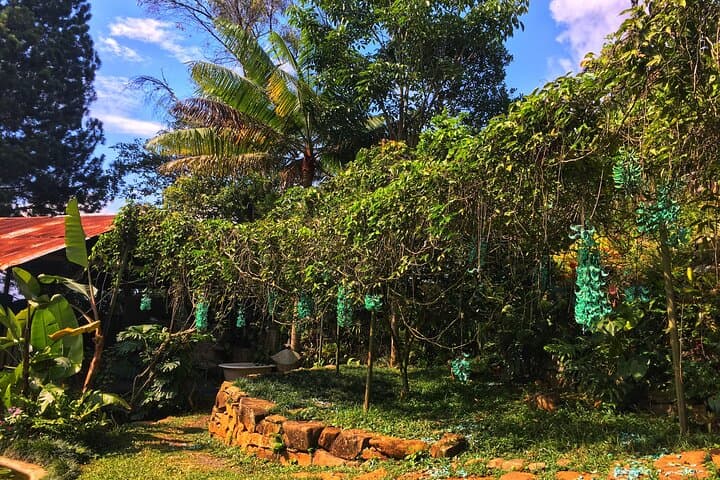
Founded as an education and conservation project, Andoke has welcomed school groups and travelers eager to understand tropical metamorphosis. The site sits on the lower slopes above Cali, where weathered volcanic soils and rich valley sediment feed a dense fringe of secondary forest — perfect habitat for nectar plants and host shrubs.
Guides walk guests through staged rearing areas and a free-flight habitat, narrating local butterfly ecology, the role of native plants, and the center’s community outreach work with children from nearby neighborhoods. The visit culminates in a short, symbolic release ritual that connects observation with action: participants set a recovered adult free and learn how to support pollinator habitats back home.
Practical notes: visits run about 2–3 hours and are family-friendly — paths are flat and the pace slow. Bring insect-repellent-safe sunscreen, a camera with a steady hand, and calm, soft voices so the insects aren’t disturbed. Morning visits usually offer the most active butterflies; mid-day humidity can slow flight but intensifies chrysalis activity. The center supports conservation education, so expect interpretive stops and time to ask questions about plant sourcing and breeding practices.
easy.
2–3 hours.
Suitable for all fitness levels; mostly flat walking and short standing periods
The guided experience is about 2–3 hours, including the habitat walk and the release ritual.
No — releases feature mature, healthy adults selected by staff; the ritual is symbolic and follows best-practice handling guidelines.
The facility is generally accessible with flat paths but check with the operator beforehand for specific mobility needs.
Yes — the program is designed for families and schools, with interactive education tailored to young visitors.
Andoke began as a community education and conservation initiative to teach local children about insect life cycles and the importance of native plants.
The center focuses on captive rearing for education, habitat restoration, and outreach; visitors indirectly support local conservation through admission and donated resources.
Mariposario Andoke operates guided outdoor trips and adventures with an emphasis on safety, stewardship, and memorable experiences.
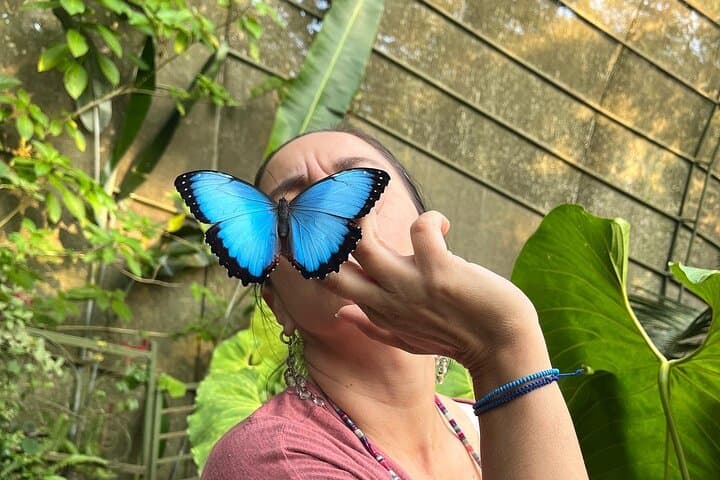
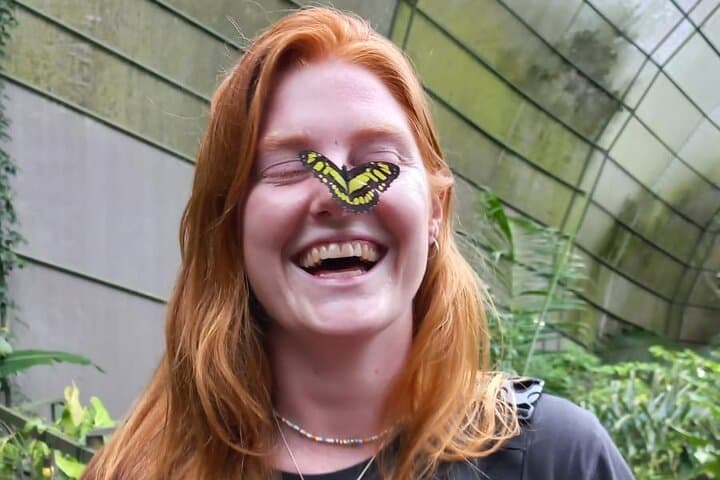
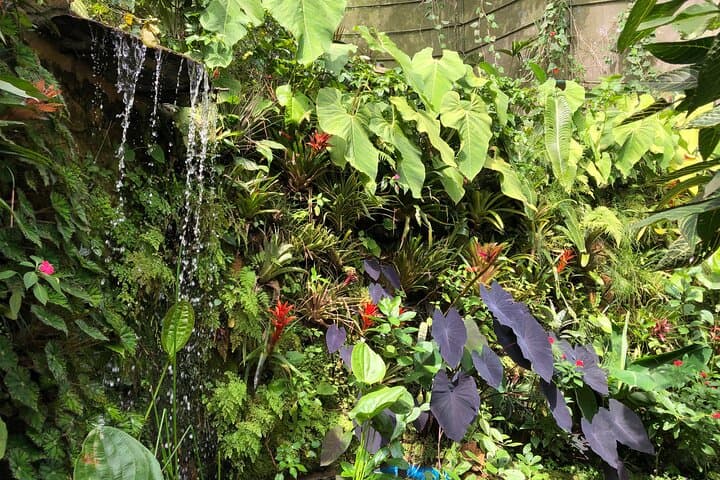
The greenhouse air is warm and humid the moment you step through the door — a mottled light filters through mesh screens, and wings like stained glass drift around your shoulders. The Andoke Butterfly Center lies just off the road to Cristo Rey, a small living laboratory where eggs, caterpillars, chrysalises and glossy adults form a continuous cycle visitors can witness.
The greenhouse air is warm and humid the moment you step through the door — a mottled light filters through mesh screens, and wings like stained glass drift around your shoulders. The Andoke Butterfly Center lies just off the road to Cristo Rey, a small living laboratory where eggs, caterpillars, chrysalises and glossy adults form a continuous cycle visitors can witness.
Founded as an education and conservation project, Andoke has welcomed school groups and travelers eager to understand tropical metamorphosis. The site sits on the lower slopes above Cali, where weathered volcanic soils and rich valley sediment feed a dense fringe of secondary forest — perfect habitat for nectar plants and host shrubs.
Guides walk guests through staged rearing areas and a free-flight habitat, narrating local butterfly ecology, the role of native plants, and the center’s community outreach work with children from nearby neighborhoods. The visit culminates in a short, symbolic release ritual that connects observation with action: participants set a recovered adult free and learn how to support pollinator habitats back home.
Practical notes: visits run about 2–3 hours and are family-friendly — paths are flat and the pace slow. Bring insect-repellent-safe sunscreen, a camera with a steady hand, and calm, soft voices so the insects aren’t disturbed. Morning visits usually offer the most active butterflies; mid-day humidity can slow flight but intensifies chrysalis activity. The center supports conservation education, so expect interpretive stops and time to ask questions about plant sourcing and breeding practices.